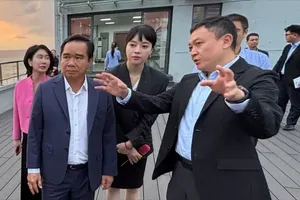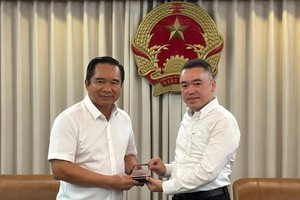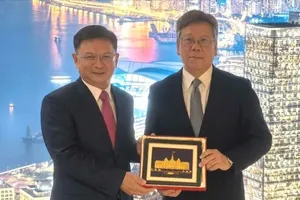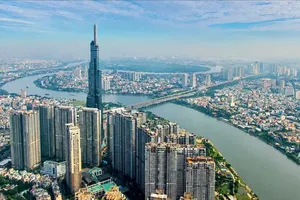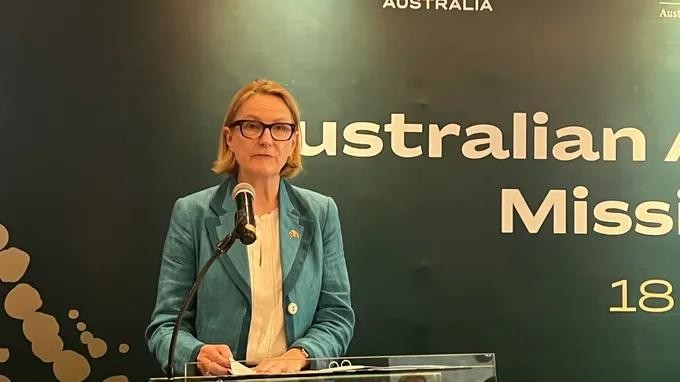
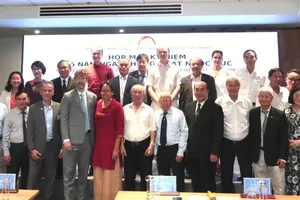
The event organized in Ho Chi Minh City today by the Foreign Investment Agency under the Ministry of Finance, in cooperation with the Australian Trade and Investment Commission (Austrade). It brought together 28 leading Australian enterprises along with a large number of Vietnamese businesses. The event served as an opportunity to boost bilateral trade and expand investment prospects in Vietnam’s market.
At the forum, Australian Consul General in Ho Chi Minh City, Sarah Hooper, noted that two-way trade between Vietnam and Australia reached about AUD23 billion in 2025, maintaining strong growth momentum. Agriculture and food remain standout sectors, with Australia increasing exports of meat, dairy, grains, and high-quality food products to Vietnam, while Vietnam expands exports of agricultural produce, seafood, and processed foods to Australia.
Participation in free trade agreements has created a vital foundation for bilateral expansion. Tariff preferences not only facilitate Australian goods entering Vietnam but also open greater opportunities for Vietnamese products to penetrate the Australian market.
Vietnam is emerging as an attractive investment destination for Australian businesses, thanks to its large consumer market, young population, and rapidly growing middle class. Retail sales of goods and consumer services in 2025 reached about AUD375 billion, up more than 9 percent, creating significant potential for investors in food processing, distribution, and logistics. Vietnam’s ongoing transformation of its agriculture sector toward modernization, sustainability, and value-added production is also opening deeper investment opportunities.
One area of particular interest is animal feed, a critical link in the agricultural chain. Vietnam imports 70 percent–80 percent of its feed ingredients annually, equivalent to nearly 25 million tons worth more than US$8 billion. This is seen as both a major bottleneck and a potential space for Australian enterprises to engage in supply, raw material development, processing technology, and supply chain solutions.
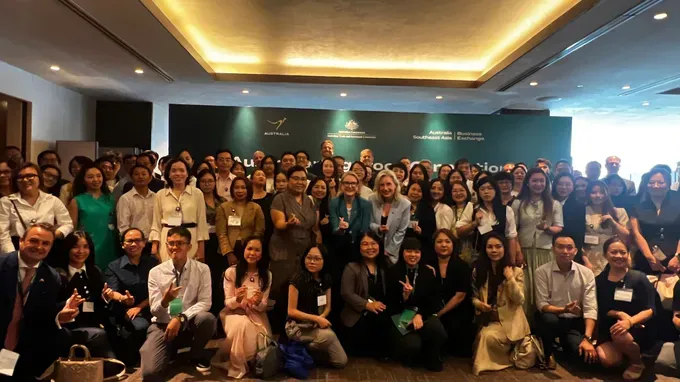
Emma McDonald, Senior Trade and Investment Commissioner of the Australian Government, emphasized that Australia has strengths in safe, sustainable, high-tech production systems, while Vietnam has strong demand and a fast-growing market. This complementarity creates opportunities not only in trade but also in investment, technology transfer, and value chain development in agriculture and food.
Delegates also discussed the investment environment, preferential policies, and opportunities to participate more deeply in the value chain from production and processing to distribution.
Many participants agreed that as global supply chains restructure, Vietnam is becoming a key destination in Australia’s diversification strategy. Strengthening trade connections alongside expanded investment will be a crucial driver to raise bilateral trade and enhance the long-term competitiveness of Vietnam’s agriculture and food sector.
)