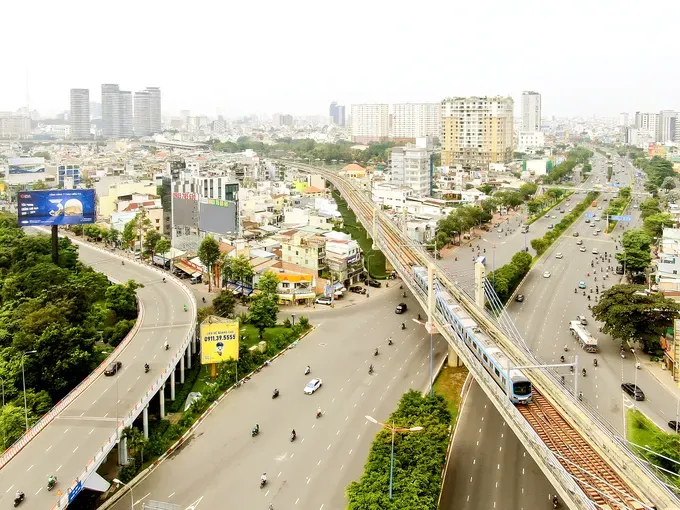
'NA Delegate Hoang Van Cuong from Hanoi commented that the 10th Session of the 15th National Assembly (NA) completed a massive workload, particularly in amending and perfecting laws. This session marked a shift in legal thinking, creating a new approach and legal framework for the upcoming development phase, a period of critical decision-making for the nation.
Having been granted breakthrough mechanisms, all levels of administration in HCMC must act decisively. Crucially, success requires the companionship of citizens and businesses. The People’s Council must elevate its responsibility to translate the NA’s institutional framework into concrete city resolutions and actions.
According to NA Delegate Tran Hoang Ngan from HCMC, the amended Resolution 98 provides HCMC with an open institutional environment to mobilize resources and strategic investors, helping the city accelerate as the locomotive leading the country into a new era. More importantly, it allows HCMC to stand shoulder-to-shoulder with major global cities.
HCMC is determined to successfully implement the Resolution of the HCMC Party Congress (2025-2030 tenure). With the NA’s approval of the amended Resolution 98, projects will be meticulously prepared for submission to the HCMC People’s Council, ensuring the spirit of the resolution is brought to life immediately.
Delegate Nguyen Thi Viet Nga from Hai Phong City shared that post-merger HCMC possesses a much grander stature and appearance. With this new profile, the old specific mechanisms were like a “tight shirt.” Therefore, reviewing and amending policies was essential to help HCMC develop in the new phase, maximizing its potential and advantages.
Agreeing with this, Delegate Tran Thi Thu Hang from Lam Dong Province believes that with specific mechanisms, localities like HCMC and Hanoi will achieve breakthroughs, driving socio-economic and cultural development. Specific policies must be distinct and breakthrough in nature. Allowing HCMC and Hanoi to develop so they can pull other localities along and uplift the national economy is entirely appropriate.
Delegate Nguyen Quang Huan from HCMC shared that the amended Resolution 98 is the first breakthrough step; however, implementation requires synchronous institutions and operations. Since inadequacies may arise during deployment, the key is to identify and adjust them immediately.
For instance, in the two-tier local government model, grassroots levels need more authority to boldly execute tasks. Decentralization must be pushed strongly but synchronously. If bottlenecks occur, they must be resolved instantly; if local authorities cannot resolve them, they must report to competent authorities immediately to prevent stagnation.
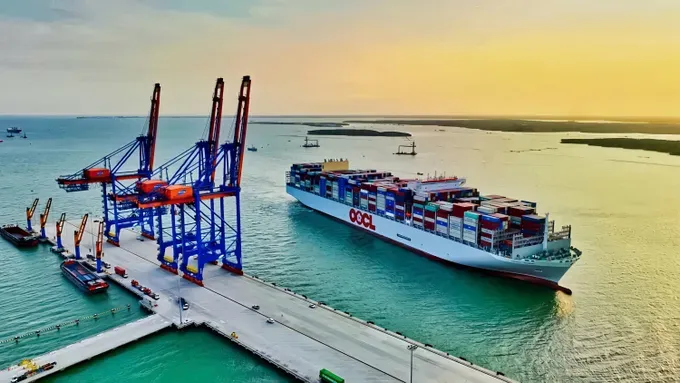
General Director Dao Quoc Tuan of Tu Hai Co. Ltd. (sited in HCMC) said that the amended Resolution 98 is a turning point, creating flexible mechanisms to accelerate critical infrastructure projects. Decentralizing and shortening investment procedures is expected to make transport, drainage, and environmental projects more effective, thereby reducing logistics costs.
Currently, expanding port connection roads and developing logistics centers and dry ports is urgent. Businesses expect close coordination between Central and local levels to form a synchronous inter-regional network. It’s also hoped that the State will continue promoting Public-Private Partnerships (PPP) and green transport models.
Nguyen Van Hoang, Party Cell Secretary of Neighborhood 62 (Tang Nhon Phu Ward, HCMC) expressed his confidence in the success of the new mechanism as long as responsible decentralization is carefully carried out. The city must prioritize placing the “right people in the right jobs” to translate mechanisms into concrete benefits for residents and businesses. Crucially, empowering local levels must be paired with strict supervision to ensure accountability and effective implementation.
Ho Van Nam, a worker of Astro Engineering Vietnam Co. Ltd in Binh Duong Ward of HCMC, hoped for easier access to social housing thanks to the amended Resolution 98. He moved from Da Nang City to HCMC 13 years ago. His family of four currently lives in a cramped 12m² rented room. He, therefore, always dreams of buying social housing at a preferential price to settle down.
He hopes the open legal corridors of the new Resolution 98 will help HCMC complete its social housing development tasks as set out by the 2025-2030 Party Congress. He and other fellow workers eagerly await the implementation of these policies. Beyond affordable prices, registration procedures must be transparent and accessible. He believes that with the city leadership’s determination, workers like him will have more opportunities to settle down and commit long-term to their enterprises.


)