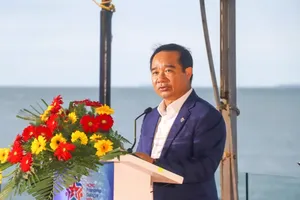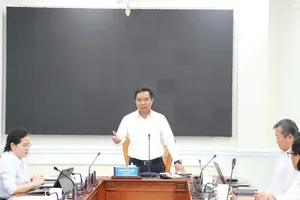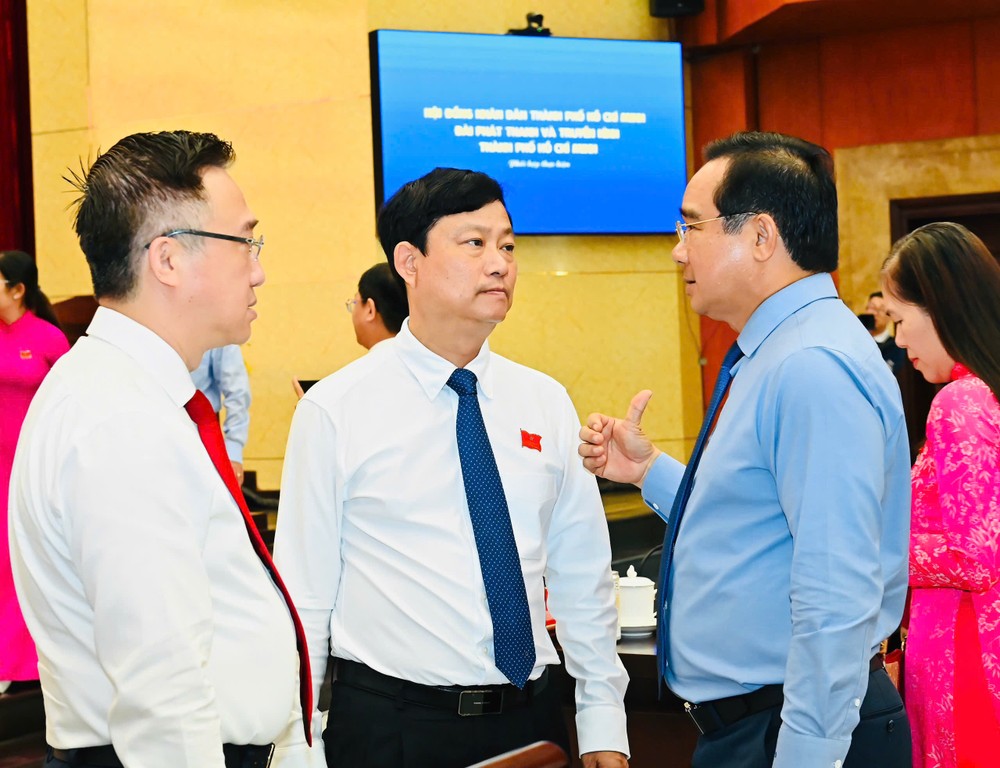
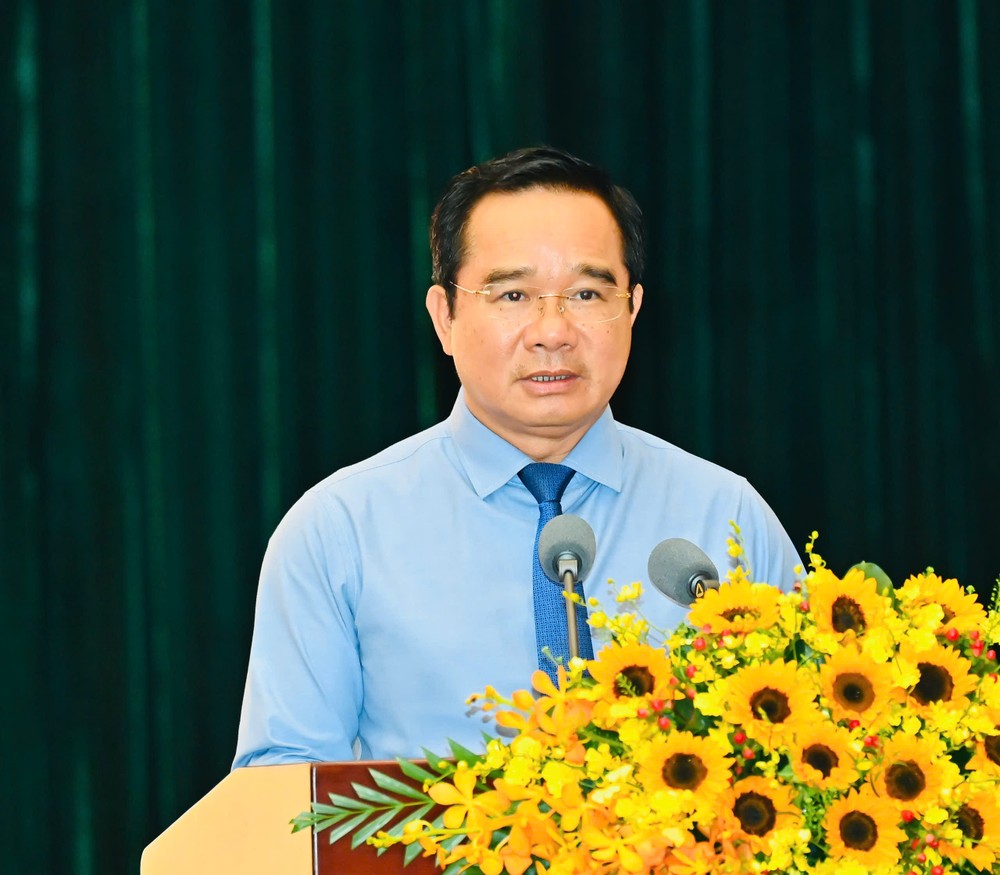
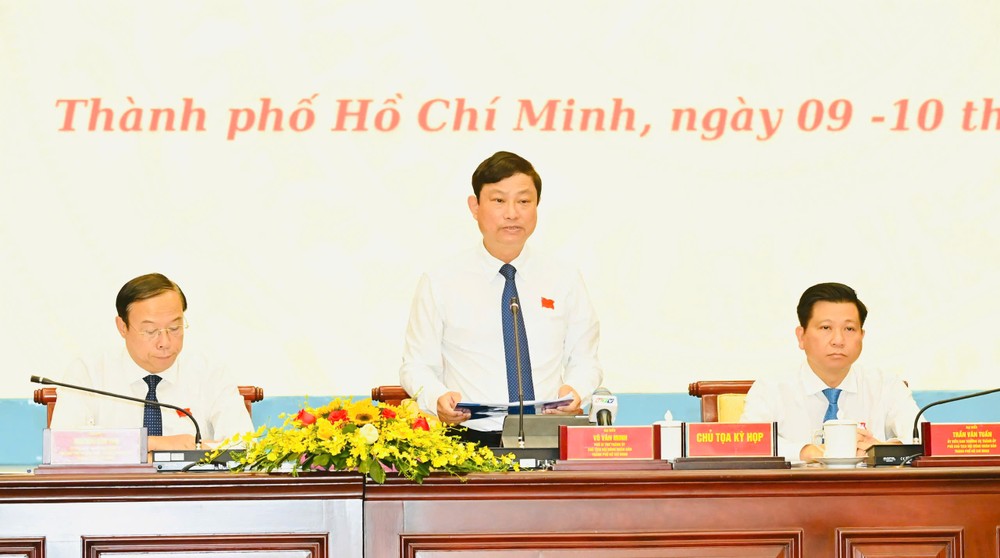
At the year-end session of the HCMC People’s Council on December 10, Chairman of the HCMC People’s Committee Nguyen Van Duoc reaffirmed before council delegates and voters that if the National Assembly approves the revised Resolution 98, the city will immediately activate the new mechanisms and policies to generate decisive breakthroughs. The foremost target is double-digit economic growth in 2026.
Unlocking more than VND804 trillion in social resources
Mr. Nguyen Van Duoc noted that HCMC achieved a range of significant results in 2025. Most socioeconomic indicators met or exceeded their targets. GRDP rose an estimated 8.03 percent, reaching nearly VND3 quadrillion—equivalent to 23.5 percent of national GDP. Per capita GRDP reached US$8,755, and State budget revenue accounted for one-third of the country’s total.
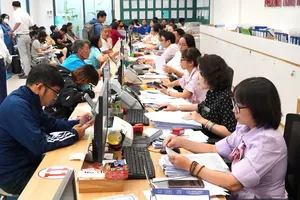
The city cut 435 administrative procedures related to production and business activities, halving the investment-approval timeline from 35 days to 17. Citizen satisfaction reached 90.69 percent. These improvements strengthened domestic and foreign investment flows, with FDI reaching $8.9 billion, up more than 30 percent year-on-year. Notably, over $2 billion went into science, technology, and innovation—affirming the city’s strategic direction of positioning science and technology at the center of development.
Crucially, HCMC resolved bottlenecks in 670 of 838 projects—covering 16,200 hectares—thereby unlocking more than VND804 trillion in social capital. This contributed to a 269 percent surge in land-use fee revenue.
“With the spirit of not letting dossiers sit idle, many major projects have been restarted, fueling the city’s momentum,” Chairman Nguyen Van Duoc said.
He also emphasized the effective functioning of the two-tier local government model, the streamlined operations of administrative service centers, and expanded level-4 online public services in 38 localities. These outcomes, he stressed, reflect both strong government effort and the support of residents and businesses.
However, challenges remain: slow public-investment disbursement, uneven performance across administrative units, and long-standing urban issues highlighted by the Party General Secretary—including traffic congestion, pollution, flooding, crime, and drug-related problems. The city, he affirmed, is committed to addressing these shortcomings.
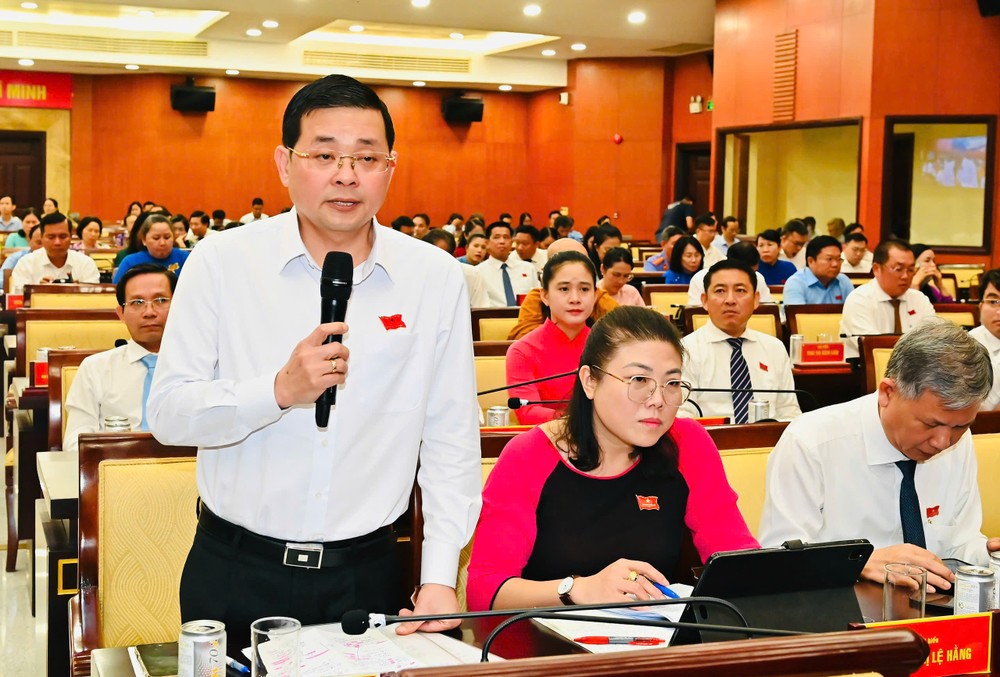
Chairman Nguyen Van Duoc also acknowledged the candid and practical proposals made by delegates and voters, pledging that the city will translate them into concrete actions with a determined, transparent, and accountable approach as it enters 2026 “with a new mindset, renewed confidence, and heightened responsibility.”
Mobilizing all resources for double-digit growth
Throughout 2025, HCMC coordinated closely with central agencies to propose revisions to Resolution 98/2023/QH15 on special mechanisms for the city’s development. The National Assembly is expected to vote on the amendments on December 11.
If approved, the revised resolution will provide robust tools for accelerating growth. Leveraging these new mechanisms, the city aims to complete a comprehensive investment mobilization framework by 2026, laying the foundation for a major growth surge.
“If the National Assembly approves the amendments, the city will move immediately to create breakthroughs and leaps in development,” Chairman Nguyen Van Duoc affirmed.
For 2026, the People’s Committee proposes the theme: “Unblocking institutions – Unlocking resources – Breaking through infrastructure – Enhancing service performance – Delivering substantive transformation in urban development.” Mr. Nguyen Van Duoc explained that the theme reflects a resolve to innovate governance, activate dormant potential, and build a faster, more effective, service-oriented administration.
The city’s overarching objective for 2026 is to deliver “tangible, measurable improvements” in governance—shifting fully to results-based management, economic performance, and service quality for residents and businesses.
To achieve this, HCMC has set five groups of core indicators, comprising 26 sub-targets covering:
• six economic indicators;
• eight cultural and social indicators;
• six urban-development and environmental indicators;
• two administrative-reform indicators;
• four security indicators.
The city also defined five priority task groups: mobilizing all resources; reforming governance models; ensuring double-digit growth; and effectively implementing special mechanisms, such as Resolution 222 on establishing the International Financial Center and Resolution 188 on urban railways.
HCMC will continue restructuring its economy, positioning the digital economy as a key driver; improving the investment and business environment; enhancing competitiveness; and building a developmental, service-oriented government with people and businesses at its center.
At the same time, the city will promote cultural values, strengthen human development, drive comprehensive education reform, and expand integrated healthcare models to ensure social welfare and inclusive, sustainable development.