The supplemented mechanisms grant Ho Chi Minh City greater autonomy in planning, land use, TOD development and attracting strategic investors.
The adjustments are expected to unlock bottlenecks and provide momentum for accelerating key infrastructure projects.
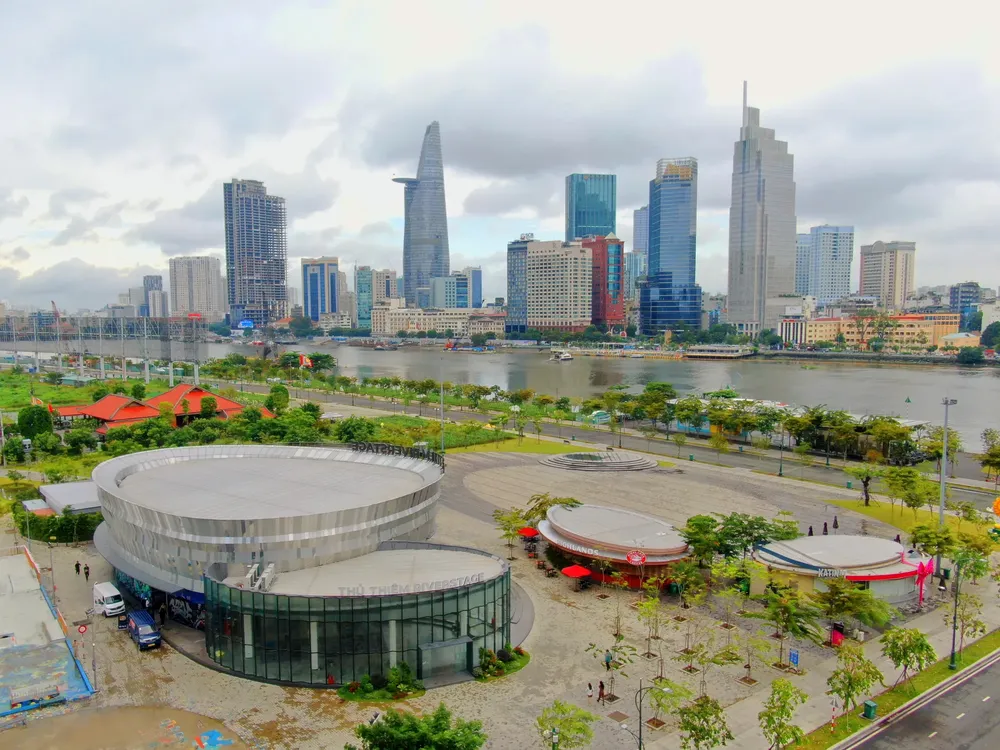
Firstly, enhancing decentralization in planning
Ho Chi Minh City is authorized to prepare a single Master Plan, which replaces both the provincial-level plan and the city’s overall urban master plan. After approval by the Ho Chi Minh City People’s Council, the HCMC People’s Committee is empowered to finalize the plan, ensuring greater autonomy and significantly shortening procedures.
Based on this master plan, the municipal People’s Council may decide which urban and rural planning projects will be prepared concurrently with sub-zoning plans and detailed plans.
The city is authorized to define the scope, cost norms, unit prices, processes, procedures and document requirements for formulating, appraising and approving the Master Plan.
The city may eliminate the existing procedures for preparing, appraising and approving the “planning tasks” for sub-zoning plans and detailed urban and rural plans.
The goal is to shorten project preparation time, which is a long-standing bottleneck in urban development.
Secondly, TOD serves as a strategic development model for Ho Chi Minh City
The Ho Chi Minh City People’s Committee is authorized to approve investment in construction around railway stations, depots and surrounding areas at intersections along the Ring Road 3 corridor.
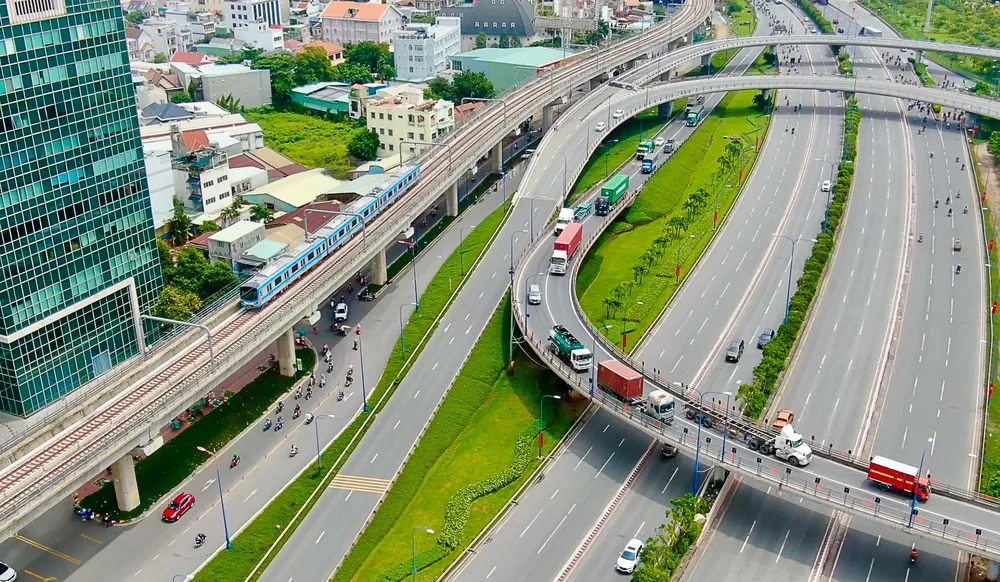
Ho Chi Minh City is empowered to set land-use requirements and related technical-economic specifications outside national benchmarks, as long as they comply with infrastructure and environmental safety conditions.
The city is allowed to retain 100 percent of revenue generated from land-use rights in TOD areas associated with railway projects for which the city or investors advance funds for compensation, support and resettlement.
The objective is to help the city develop high-density areas around mass transit corridors, optimize land use and create new growth hubs. Additionally, this will contribute to laying the groundwork for sustainable resources to advance the urban railway development strategy, which is a key driver shaping Ho Chi Minh City’s new urban form.
Thirdly, strengthening institutional mechanisms
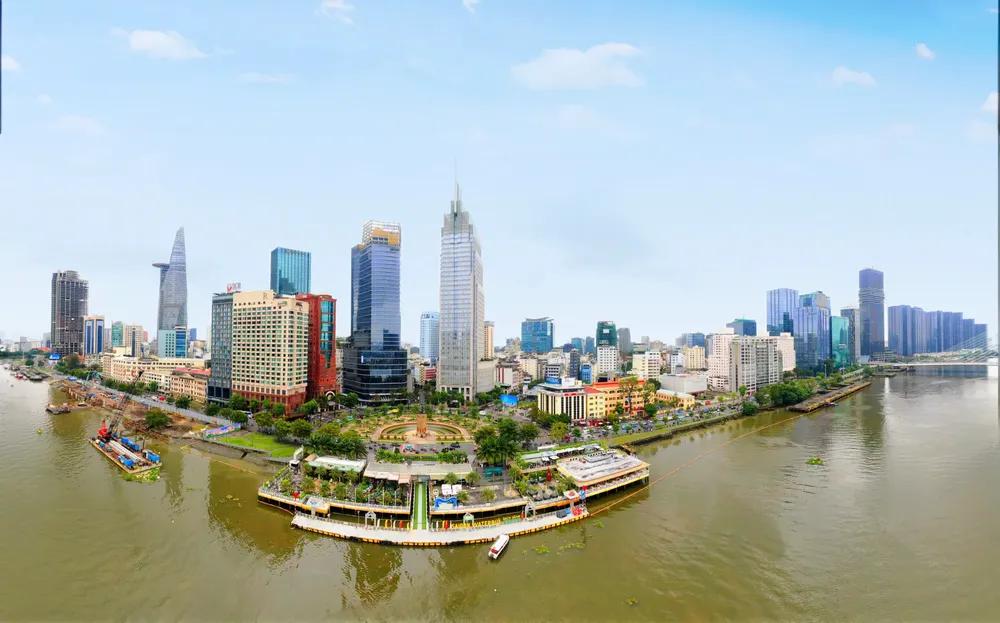
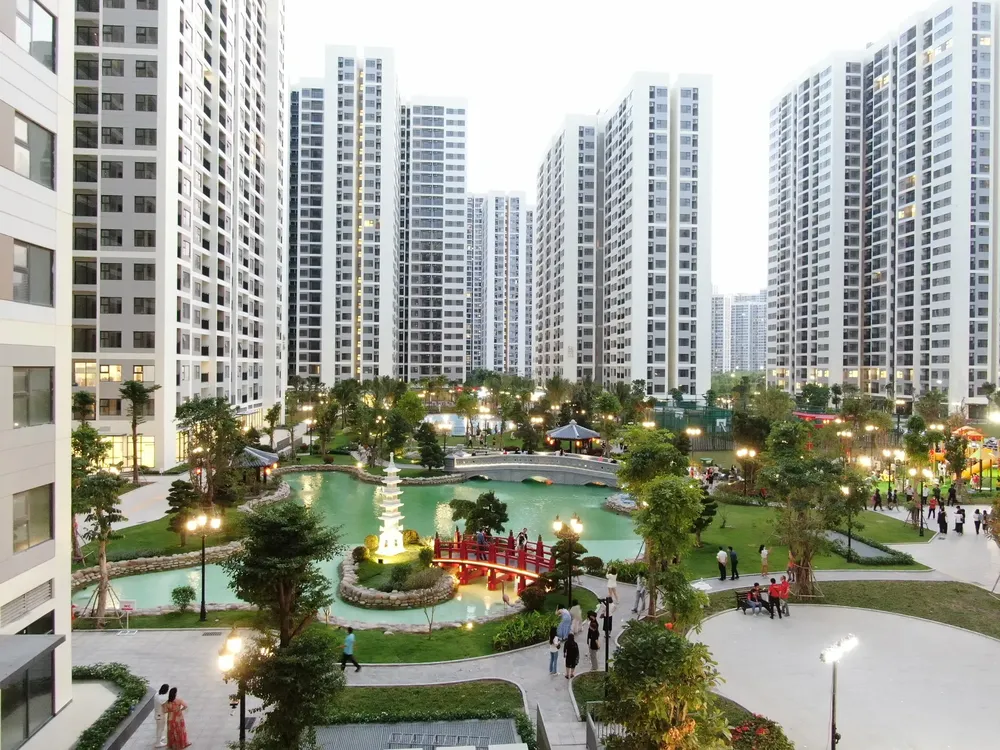
Ho Chi Minh City will dramatically expand the list of priority sectors for attracting strategic investors. This now includes large-scale riverside and coastal entertainment–resort complexes; advanced medical clusters; integrated sports complexes; projects to relocate and upgrade housing along canals; development of green parks and public parking facilities; clean energy and waste treatment initiatives; major projects within designated urban development zones; and key infrastructure projects in Con Dao Special Zone.
The selection mechanism for strategic investors is designed to be strict yet flexible. If an investor proposes a project and satisfies the required equity ratio of 20 percent or 15 percent, depending on whether the project is under or over VND30 trillion (US$1.14 billion), the city may approve the mechanism without delay.
If two or more strategic investors express interest, the city will issue detailed evaluation criteria and establish a selection council to identify the most suitable investor.
The aim is to establish a flexible, comprehensive regulatory environment that empowers the city to attract strategic investors with strong financial resources, advanced technological capabilities and modern management expertise.
As for taxation, enterprises implementing new investment projects in the Free Trade Zone in sectors such as semiconductor manufacturing, artificial intelligence, R&D centers, new materials industries, semiconductor materials and related fields will enjoy a 10 percent corporate income tax rate for 20 years, along with a four-year tax exemption and a 50 percent reduction for the subsequent nine years.
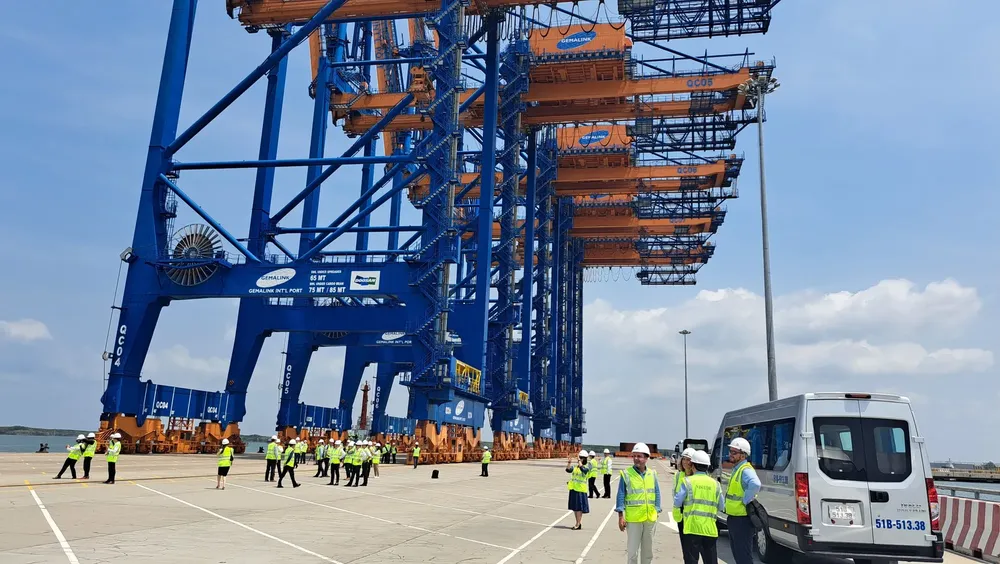
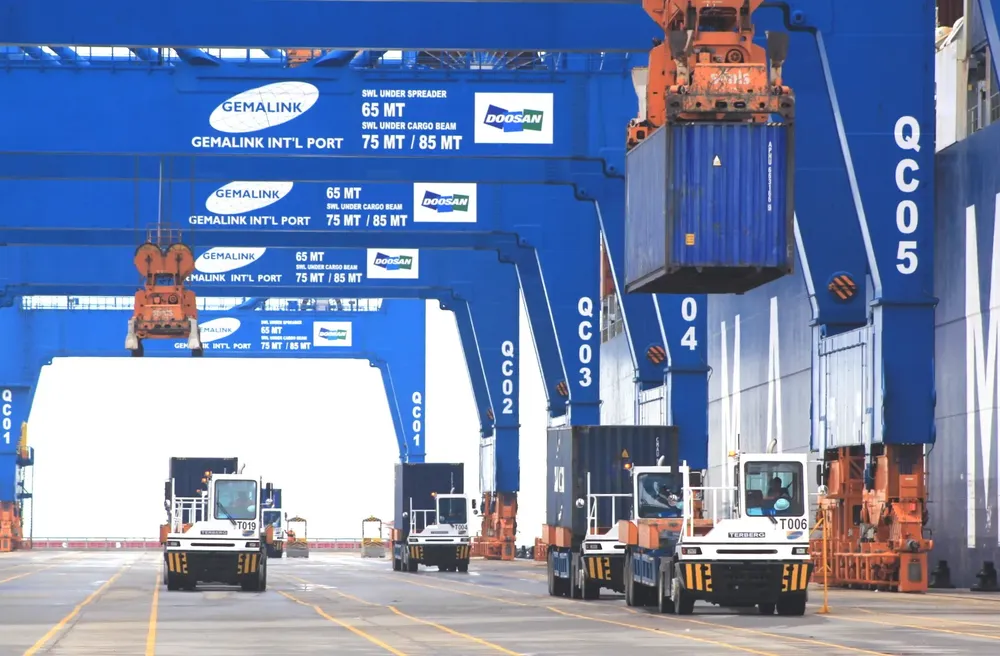
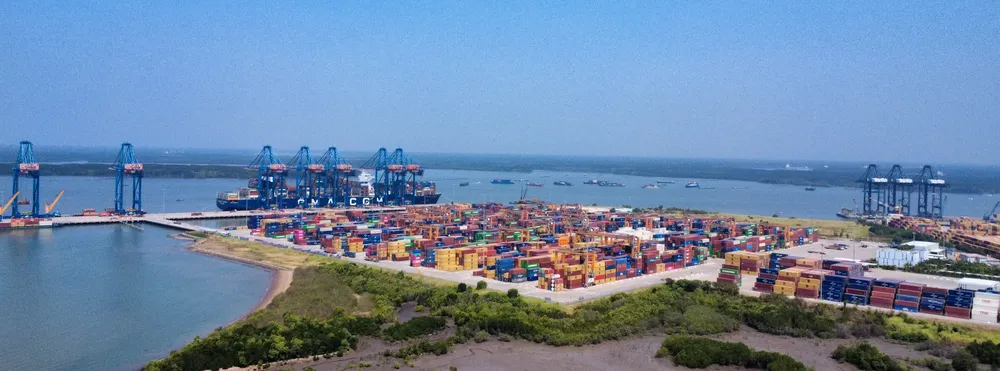
Those working in the Free Trade Zone, including experts, scientists, talented professionals, managers and highly skilled workers, will receive a 50 percent personal income tax reduction for a ten-year period.
Regarding land management, the Chairperson of the Ho Chi Minh City People’s Committee is authorized to allocate and lease land without land-use right auctions or investor selection bidding for investment projects located within the Free Trade Zone, excluding commercial housing projects.
Ho Chi Minh City is empowered to determine the pricing framework for leasing infrastructure facilities within the Free Trade Zone.
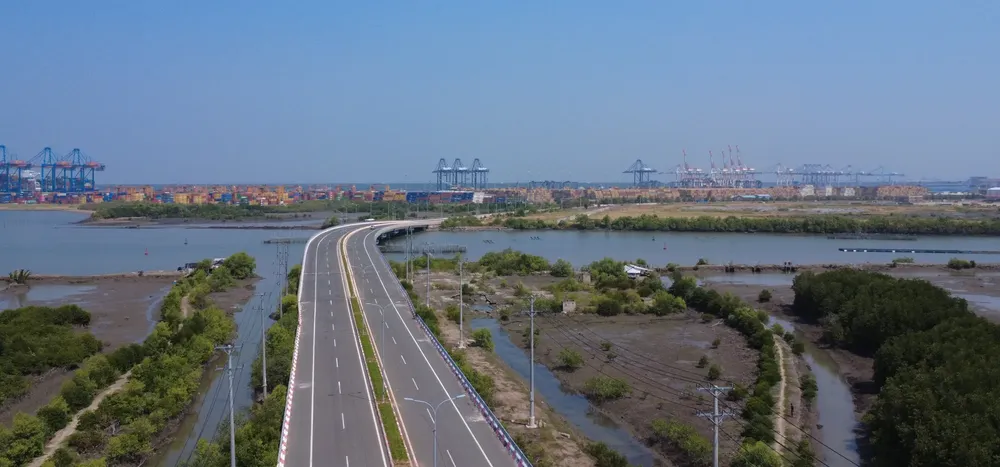
The objective is to simplify procedures and provide a stable, transparent environment for investors participating in large-scale projects.



)