The Vietnam National Village for Ethnic Culture and Tourism has been officially recognized by the Hanoi People’s Committee as a city-level tourism site, providing a foundation for the destination to further promote its cultural and landscape values and pursue sustainable tourism development and investment.
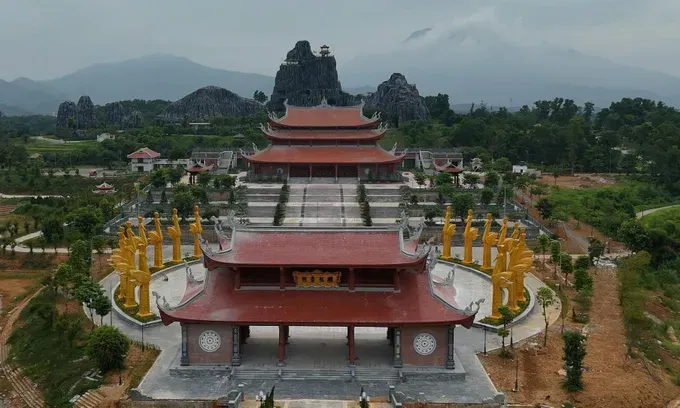
Covering 1,544 hectares, the Vietnam National Village for Ethnic Culture and Tourism is located in a transitional area between the Red River Delta and the Ba Vi mountain range, featuring a diverse system of valleys, greenery, and water bodies. Green spaces and water surfaces alone account for more than 70 percent of the total area, creating favorable conditions for developing ecotourism, resort, and experiential tourism products.
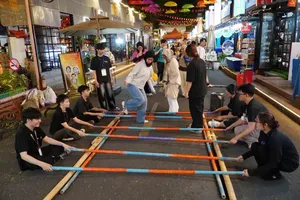
Dong Mo Lake, covering 935.31 hectares within the village’s planned area, is an important resource for developing sightseeing boat tours, kayaking, camping, sports, and team-building activities.
The village’s outstanding value also lies in its cultural space representing Vietnam’s 54 ethnic groups. Covering approximately 196.8 hectares, the Ethnic Villages area comprises four clusters representing different regions and language groups. Many traditional architectural structures have been reconstructed at a 1:1 scale, ranging from stilt houses of the Thai and Muong people and earthen-walled houses of the Tay and Ha Nhi to communal longhouses of the Gia Rai and Ba Na and longhouses of the Ede.
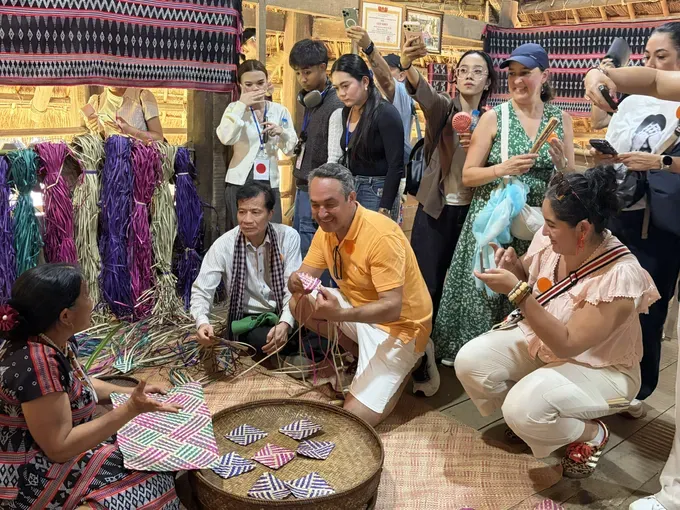
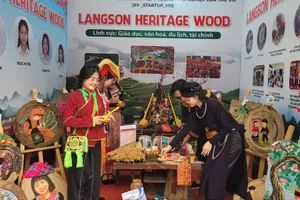
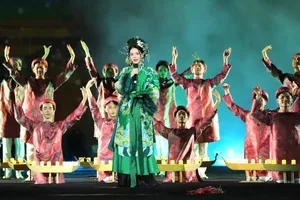
Currently, around 120 members of 16 ethnic groups live and work in the village, participating in cultural performances, traditional crafts, culinary activities, and community events. Each year, the village hosts 24 festivals and 25 cultural and artistic exchange and performance programs, along with numerous exhibitions and activities promoting culture and tourism.
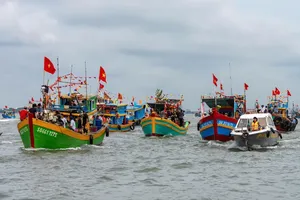
In addition to the ethnic villages, the tourism site features various attractions and experiential destinations, including the Mountain Lake Area, Fishing Village Area, Creative Camp accommodation area, Chan Doi Culinary Area, and Ancestor Worship Ceremonial Area.
According to the appraisal results, the village meets the four conditions for recognition as a tourism site stipulated by the 2017 Law on Tourism, including clearly defined tourism resources and boundaries; infrastructure, facilities, and services; transport and telecommunications connectivity; and guarantees for security, public order, social safety, and environmental protection.
The recognition as a city-level tourism site comes as the village is hosting a series of October activities themed “Colors and Fragrances of the Great Mountains.” Running through October 31, the program features more than 100 members of 16 ethnic groups, together with 30 Cham Islam people from An Giang Province.
Throughout the month, visitors can experience activities showcasing Khmer, Cham Islam, and Central Highlands cultures, as well as community exchange programs. The activities also provide an opportunity for the village to continue refreshing its tourism products and bring the cultural life of ethnic communities closer to Hanoi residents and visitors.