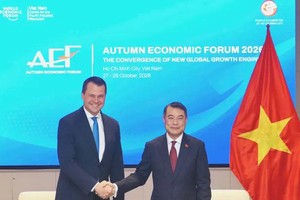
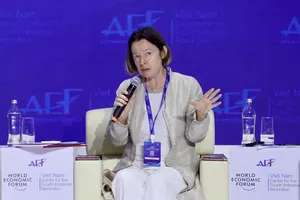
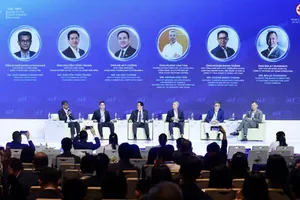
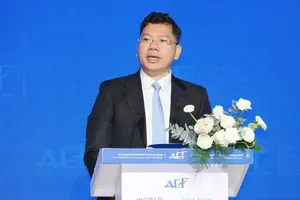
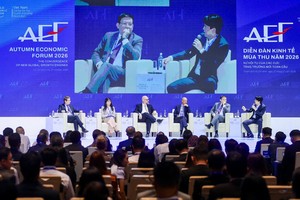
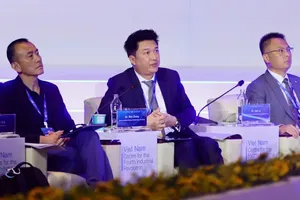
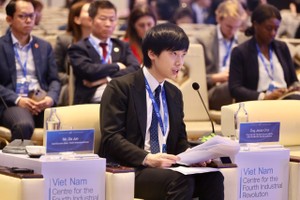
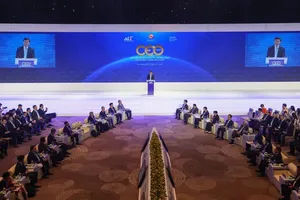
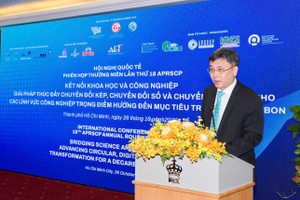
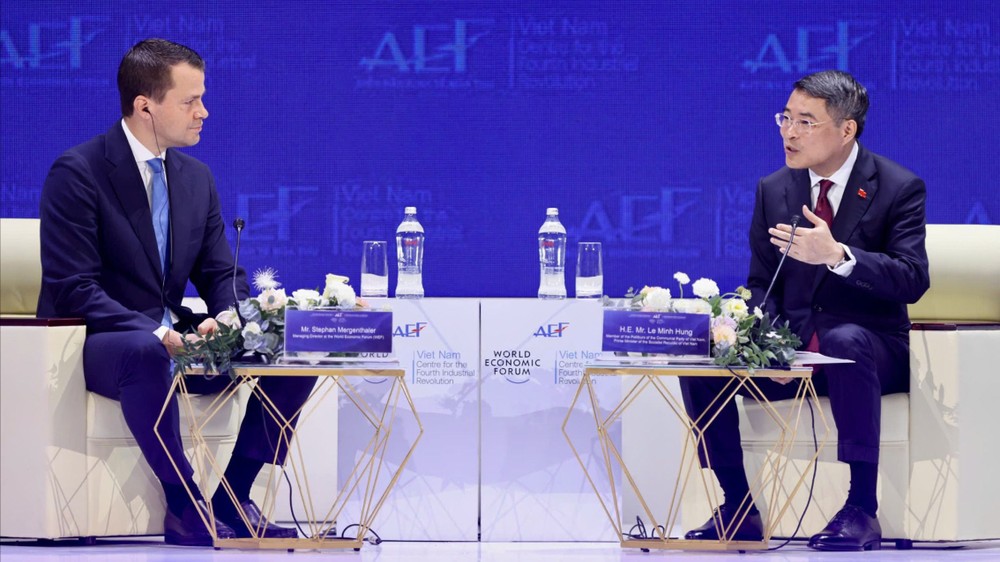
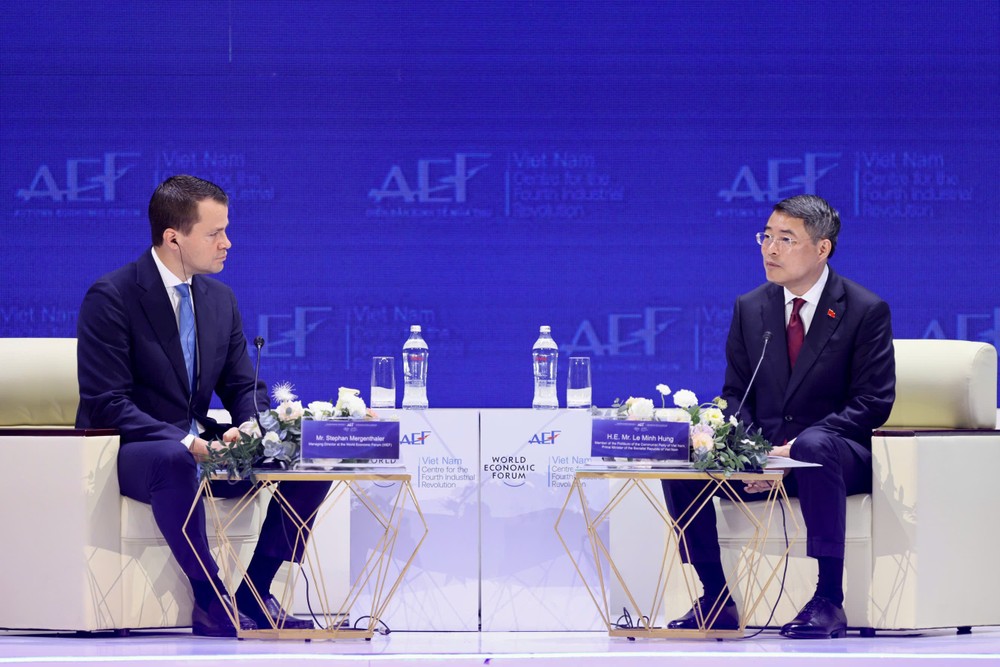
Speaking in a dialogue with World Economic Forum (WEF) Managing Director Stephan Mergenthaler in Ho Chi Minh City, Prime Minister Le Minh Hung outlined Vietnam's strategy for navigating global economic uncertainty, strengthening resilience and positioning itself in the evolving international economic order by 2035.
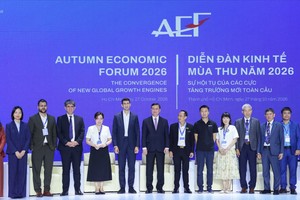
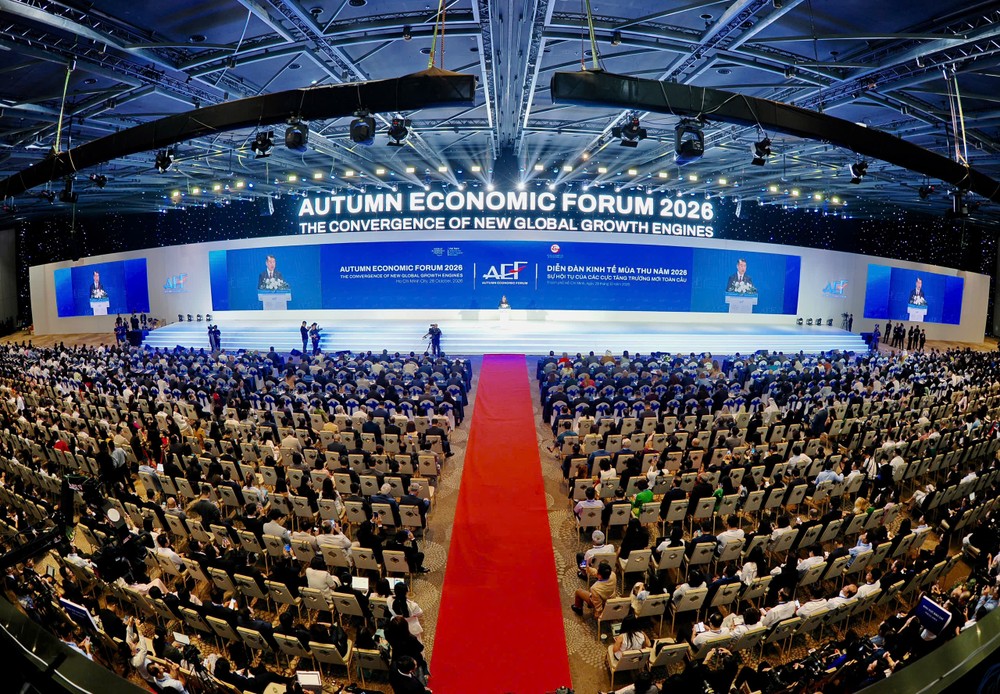
The discussion took place during the Autumn Economic Forum 2026, held under the theme “Positioning Vietnam in the Global Future.”
Institutional reform, resource mobilization for development
Prime Minister Le Minh Hung said intensifying strategic competition among major powers was increasingly extending into economic relations, technology, data, energy, trade, investment and environmental standards.
Although globalization continued, the global economy was becoming more fragmented, requiring countries to strengthen their autonomy and resilience. Meanwhile, advances in science and technology, particularly artificial intelligence, were fundamentally transforming production, governance, and resource allocation.
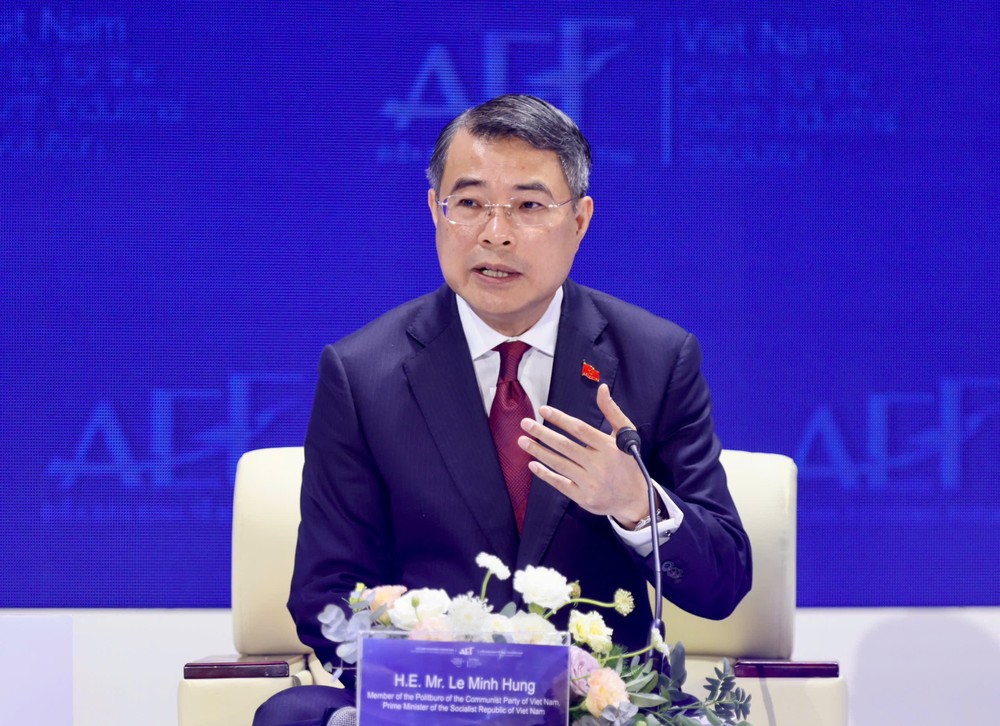
Vietnam faces three major challenges, he said: institutional and international regulatory frameworks struggling to keep pace with rapid change; the limitations of traditional growth models; and declining strategic trust, which calls for new approaches to international cooperation.
“Strategic trust is a prerequisite for promoting cooperation and development,” Mr. Le Minh Hung said, emphasizing that a country's development prospects depended not only on its size and existing advantages but also on its resilience, autonomy, and ability to mobilize new sources of growth.
Vietnam therefore aims to diversify its markets, partners and sources of supply while making science, technology, innovation and digital transformation central to its growth strategy. Institutional reform and improvements in national governance are also priorities.
For an economy deeply integrated into international markets, resilience means more than weathering immediate crises, he said. It also requires the capacity to adapt, recover, innovate, and emerge stronger.
Without addressing structural weaknesses, an economy may overcome one shock only to remain vulnerable to the next. Vietnam must therefore combine short-term responses with long-term development policies.
The Government will continue to prioritize political and social stability, macroeconomic stability, major economic balances, and energy and food security. Public debt, at approximately 34-35 percent of gross domestic product, provides fiscal room to respond to external shocks and finance priority investments, he said.
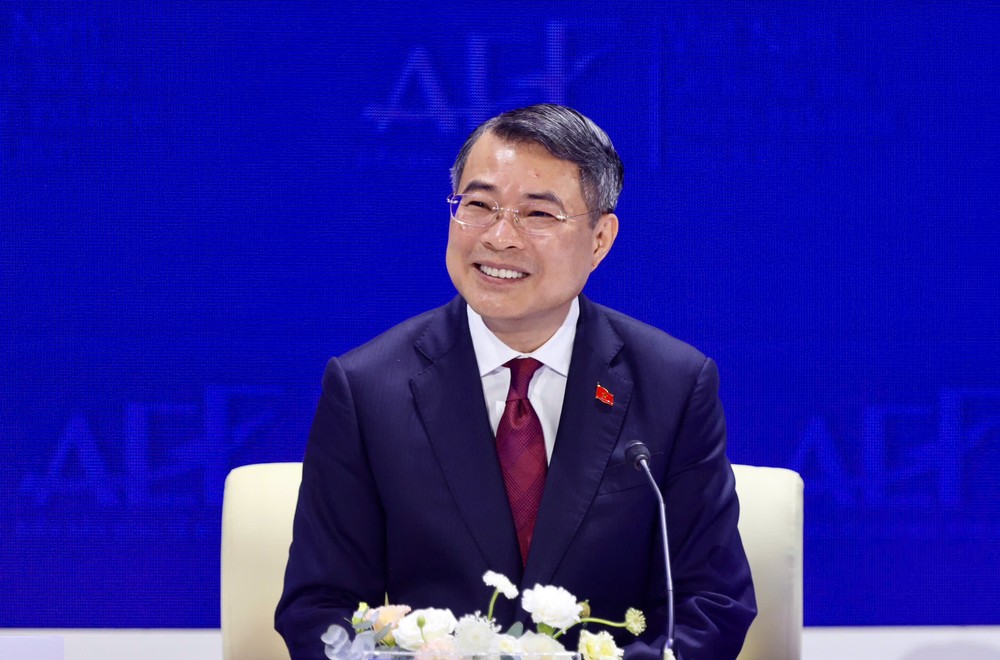
Vietnam is also seeking to strengthen forecasting, early-warning systems, and timely policy responses.
Institutional reform remains central to these efforts. The Government is working to improve legislation, remove business barriers, and modernize governance through technology and data.
According to the Vietnam Chamber of Commerce and Industry, administrative procedure and business-condition cuts during the first nine months of 2026 reduced the time required for compliance by 53 percent and compliance costs by 55 percent.
The Government will continue working with the National Assembly to improve the institutional framework and mobilize resources for development.
Other priorities include investing in transport infrastructure, seaports and energy; helping private enterprises and small and medium-sized businesses strengthen their finances, management capabilities and digital and green transitions; and expanding strategic production and reserves.
Vietnam also plans to increase investment in disaster prevention and climate change adaptation while modernizing education and vocational training to meet the needs of emerging industries.
Prime Minister Le Minh Hung summarized the strategy as one built on political, social and macroeconomic stability, institutional reform, technological advancement, enterprise development, high-quality human resources and an open foreign policy.
By 2035, Vietnam hopes to establish a more prominent position in the global economy across three areas: an emerging regional hub for digital technology, new and clean energy, and green agricultural production; a reliable link in global supply and value chains; and a greater contributor to regional and global growth through modern governance, competitiveness and skilled human resources.
Prime Minister Le Minh Hung identified three groups of advantages that could help the country achieve these ambitions.
First, Vietnam's strategic location in the Asia-Pacific, political stability, positive growth outlook, extensive network of free trade agreements and diverse economic relationships provide a foundation for connecting markets, capital flows, supply chains and technology.
Second, Vietnam is entering a new phase of development as the global economy undergoes restructuring driven by digitalization, decarbonization and advanced technology.
The country is reforming its growth model, improving institutions and introducing tailored policy mechanisms to capitalize on emerging opportunities.
However, Prime Minister Le Minh Hung cautioned that opportunities could quickly disappear if the country failed to act promptly.
Third, Vietnam has a population of more than 100 million, a workforce capable of learning and adapting quickly, and an established manufacturing base built through years of participation in global value chains.
Its potential in agriculture, the maritime economy, strategic minerals, energy and biodiversity also offers opportunities to develop new industries and sources of growth.
These advantages could enable Vietnam to move beyond simply attracting investment and technology toward helping shape new value chains and growth drivers, Prime Minister Le Minh Hung said.
As strategic competition intensifies, Vietnam intends to maintain its strategic autonomy while pursuing deeper international economic integration.
Prime Minister Le Minh Hung reaffirmed the country's commitment to an independent, self-reliant, and resilient foreign policy, diversification of international relations, and its role as a reliable partner and responsible member of the international community, based on international law and the United Nations Charter.
Strategic autonomy, he explained, means strengthening domestic capabilities to preserve the right to make independent decisions and choose forms of cooperation that serve national interests while respecting the legitimate interests of partners.
Vietnam remains open to cooperation with all countries on the basis of equality, mutual respect and mutual benefit, while safeguarding its independence, sovereignty and peaceful, stable development environment.
Achieving this autonomy requires stronger domestic economic competitiveness, more capable enterprises, advances in science and technology, and the ability to ensure energy, food, environmental and human security. Diversifying essential supply chains is equally important to strengthening resilience.
Vietnam will continue leveraging its 18 signed free trade agreements to expand markets and attract capital, technology, knowledge and management expertise.
The objective is not merely to participate more deeply in global value chains, but also to strengthen domestic capabilities, gradually master technologies and generate greater added value.
Shared investment in technology, people, and the future
Prime Minister Le Minh Hung called for a fundamental shift in international cooperation, from operational coordination to strategic partnership, from exploiting existing opportunities to creating new ones, and from sharing benefits to sharing responsibilities and shaping the future together.
Vietnam wants foreign governments, businesses and international organizations to help turn ideas and opportunities into tangible products, solutions and new growth drivers, rather than simply pursuing individual investment projects.
For governments, Vietnam seeks a peaceful and stable international environment and more open, fair and sustainable frameworks for cooperation in trade, investment, infrastructure, science and technology. Such cooperation, he said, should ultimately improve people's quality of life.
International businesses, meanwhile, are expected to contribute more than financial capital. He called on investors to share technology, knowledge and management expertise, help train workers, foster innovation and support Vietnamese enterprises in improving productivity and industrial capabilities.
Stronger connections between domestic companies and multinational corporations would help Vietnamese businesses participate more deeply in global value chains. Investment should also be accompanied by social responsibility and environmental protection.
Vietnam hopes to continue working with the WEF on transforming its development model and is ready to become a strategic partner of the organization in the region, helping advance new initiatives and cooperation models.
Prime Minister Le Minh Hung urged international investors to view Vietnam's economic transformation not simply as an opportunity to deploy capital and expand market access, but also as a platform for joint research, technology development, and workforce training.
He called for a shift “from investing in Vietnam to investing with Vietnam,” emphasizing stronger links among foreign businesses, domestic enterprises, research institutes and universities to develop technology, talent and supplier networks.
The growth of Vietnamese enterprises would improve the efficiency and competitiveness of the wider production and business networks in which international investors operate, generating benefits for all participants, he said.
The Government remains committed to rapid and sustained economic growth while maintaining macroeconomic stability. It will continue improving institutions, strengthening law enforcement, developing infrastructure and human resources, and protecting the legitimate rights and interests of businesses and investors.
Authorities will also maintain dialogue with the business community and address obstacles within their jurisdiction in a timely manner.
“Vietnam wants the success of international investors to go hand in hand with the country's development,” he said, calling for long-term, mutually beneficial partnerships that deliver concrete results and demonstrate responsibility to communities.