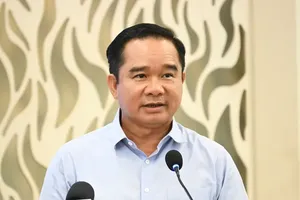
In Sai Gon Giai Phong Newspaper’s interview, Mr. Luu Dinh Phuc, Director General of the Press Department under the Ministry of Culture, Sports and Tourism, described the restructuring of Ho Chi Minh City's media organizations as a landmark step in the country's press reform process.
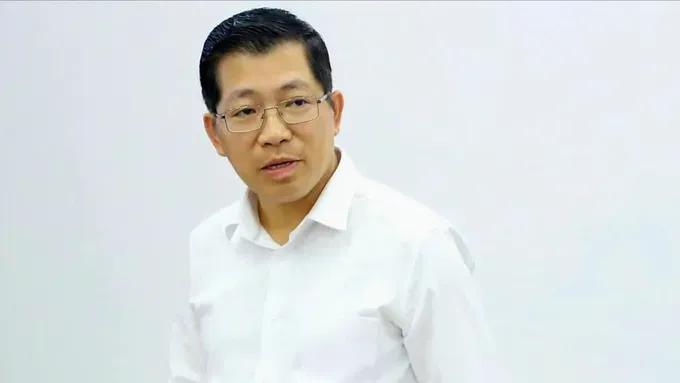
For the first time, a local media system is moving toward a large-scale converged newsroom operating across multiple platforms, with technology and data serving as the foundation for future development, he said.
The launch of the Ho Chi Minh City Press and Radio-Television will enable the city to consolidate resources for synchronized investment in digital infrastructure, technology, data and high-quality human resources while producing media content with broader public reach.
If implemented effectively, the new structure could evolve beyond a simple organizational merger into the foundation of a modern media group, he said. However, he emphasized that the greatest challenge lies not in combining organizations but in transforming governance.
The key to success is ensuring that strong media brands can thrive within a shared ecosystem, sharing technology, data and resources while maintaining their own distinctive identities and strengths, he said.
A favorable environment for media development
The Director General of the Press Department said that Ho Chi Minh City possesses all the conditions needed to develop a modern media group.
The city has the country's largest media market, a dynamic business community, a vibrant innovation ecosystem, high penetration of internet and digital platforms, and a concentration of experienced journalists, technology experts, and creative professionals.
He suggested shifting from a model in which each media outlet develops independently to "one ecosystem, multiple brands," allowing major organizations such as Sai Gon Giai Phong (SGGP), Tuoi Tre (Youth) and Ho Chi Minh City Television (HTV) to collaborate while retaining their editorial identities.
This model, already adopted by many leading international media companies, creates value not through organizational size but by generating synergies, lowering investment costs, improving operational efficiency and developing competitive digital media products, he said.
If successfully implemented, Ho Chi Minh City could establish not only a major media agency but also a modern communications group capable of leading Vietnam's media industry, he added.
Expectations for digital transformation
Looking ahead, Director General of the Press Department Luu Dinh Phuc said that he expects the city's media organizations to remain pioneers while embracing greater innovation and advanced technologies.
He envisioned fully converged digital newsrooms where a single reporting assignment could generate content for print, online news, television, radio, podcasts, short-form video and social media platforms.
Beyond reporting current events, he said that the city's media should play a more active role in supporting urban development by identifying policy issues, contributing ideas, promoting innovation, enhancing the city's image and strengthening connections with domestic and international businesses and investors.
Rethinking the economics of journalism
With traditional advertising revenues declining, Mr. Luu Dinh Phuc said media organizations must adopt a digital-economy mindset to ensure long-term sustainability.
As digital advertising increasingly shifts to global online platforms, news organizations need to build diversified ecosystems of content and services.
He said that Ho Chi Minh City is well positioned to pioneer a digital media economy by establishing a shared advertising and commercial center that leverages the collective strength of its media brands while maximizing revenue opportunities.
Additional growth areas include premium content, data services, market research, multimedia production, podcasts, video content, event organization and business networking platforms.
In the long run, journalism's revenues will come not only from advertising but also from content, data, technology and media services, he said.
Journalism as a driver of development
As Ho Chi Minh City pursues its ambition of becoming an international financial center, an innovation hub and Vietnam's leading economic engine, its media should adopt a vision that matches those aspirations, Mr. Phuc said.
He argued that journalism should move beyond simply delivering information to becoming a catalyst for development by supporting businesses, encouraging innovation, promoting the city's investment environment, facilitating knowledge exchange, preserving cultural values and strengthening Ho Chi Minh City's international image.
Unified strategy, diverse brands
Asked how governance should be designed to balance collective strength with editorial independence, he pointed to the international model of "one ecosystem, multiple brands."
Rather than eliminating differences among newspapers and broadcasters, successful media groups connect diverse brands through unified governance, technology and data platforms, he said.
He proposed that Ho Chi Minh City adopt the principle of "unified strategy, diverse brands." Under this approach, established organizations, including Sai Gon Giai Phong, Tuoi Tre Online and Ho Chi Minh City Television, would retain their editorial missions, audiences and distinctive journalistic styles while sharing digital infrastructure, data platforms, multi-platform distribution systems, advertising operations and journalism innovation centers.
These shared services would allow each newsroom to focus more on its core mission of producing high-quality journalism.
The most important transformation is moving from managing media by platform to governing a comprehensive media ecosystem; from individual development to shared development on a common platform; and from internal competition to competing through the collective strength of the entire system, Mr. Luu Dinh Phuc said.
Given its economic scale, media market, technological capacity and talent pool, Ho Chi Minh City is well positioned to pioneer modern media governance models and eventually build a nationally and regionally influential media group, he added.