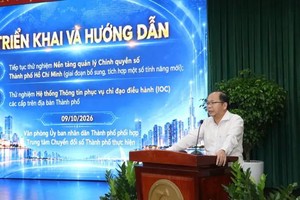
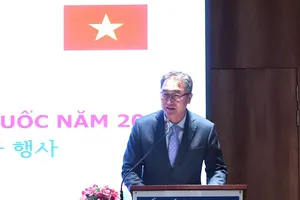
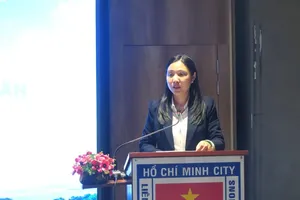
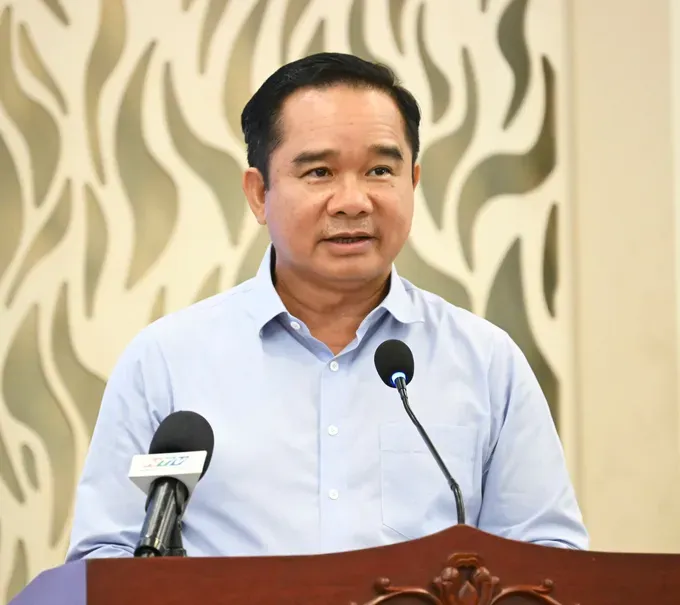
Speaking at a national conference on June 30 to implement the Politburo's Resolution No. 10 on developing the foreign-invested economic sector, Ho Chi Minh City People’s Committee Chairman Nguyen Van Duoc said that the city is committed to taking the lead in building the International Financial Center in the spirit of serving national interests and the country's development.
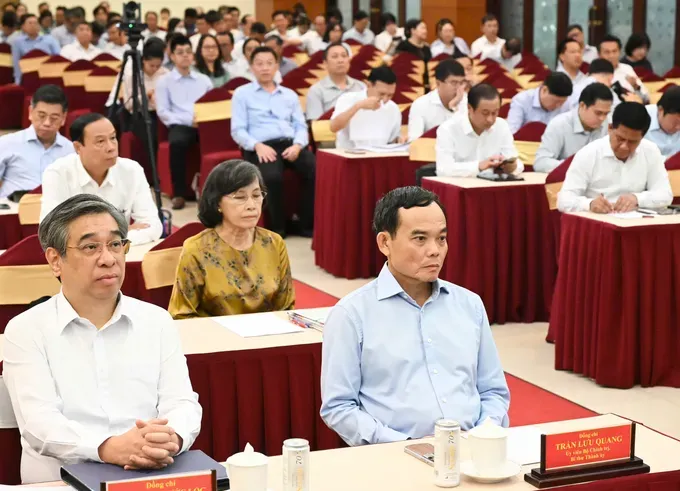
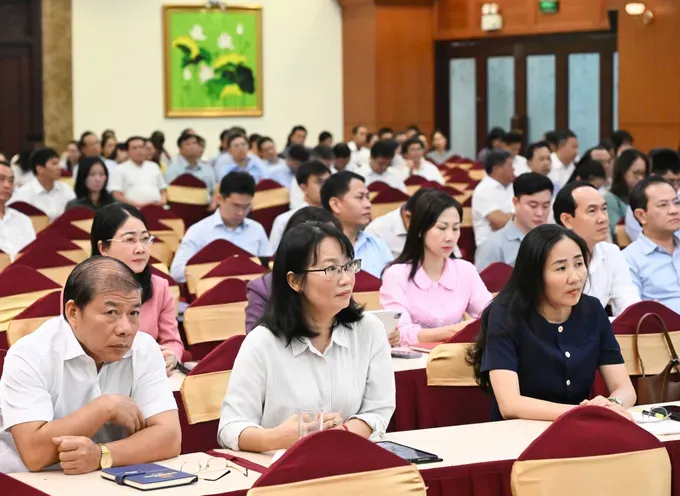
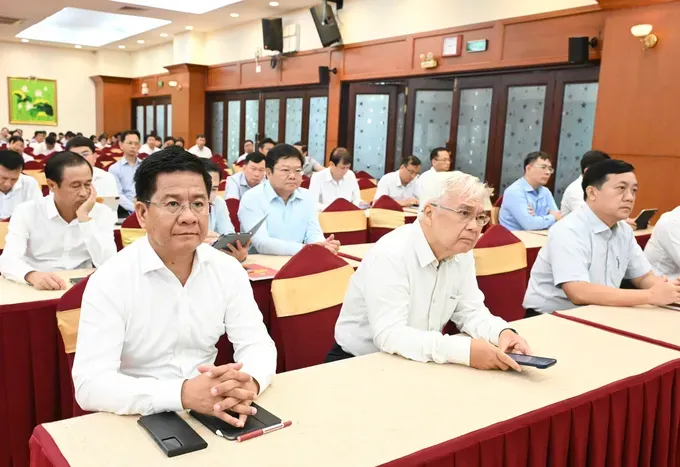
The conference, chaired by Party General Secretary and State President To Lam, was attended by nearly 2.1 million delegates through almost 35,000 online and in-person venues nationwide.
Ho Chi Minh City remains the country's leading destination for foreign investment
Presenting a policy paper on the International Financial Center, HCMC Chairman Nguyen Van Duoc described Resolution No. 10 as a strategic roadmap for Vietnam's next phase of development, shifting the country's approach from simply attracting foreign capital to prioritizing investment quality, innovation, technology transfer and national competitiveness.
As Vietnam's leading destination for foreign direct investment (FDI), Ho Chi Minh City considers itself responsible for pioneering the implementation of the resolution, he said.
The city is home to 20,259 FDI projects with a combined registered capital of nearly US$142 billion from 152 countries and territories. During the first half of 2026, it attracted more than US$6.8 billion in FDI, achieving 62 percent of its annual target.
The FDI sector accounts for around 20 percent of the city's total social investment and more than half of its export value, playing a key role in economic restructuring, productivity growth and international integration. However, Chairman Nguyen Van Duoc said the city's traditional growth model, driven by labor-intensive industries, land resources and tax incentives, has reached its limits. As global competition increasingly centers on institutional quality, the business environment and innovation capacity, Ho Chi Minh City must build a new development ecosystem to attract the next wave of strategic investment.
He proposed three key priorities for developing the International Financial Center, emphasizing a shift from attracting individual projects to building a comprehensive investment ecosystem capable of drawing high-quality capital.
He noted that global foreign investment is becoming increasingly selective, with capital flowing toward sectors such as high technology, green finance, the digital economy, semiconductors, artificial intelligence, clean energy and innovation.
Gateway to global capital
Ho Chi Minh City Chairman Nguyen Van Duoc said establishing the International Financial Center is a strategic solution to support Vietnam's new FDI attraction model.
Vietnam is estimated to require US$1.5 trillion-US$1.6 trillion in total social investment during 2026-2035 to achieve its development goals, while the state budget is expected to cover only about 20 percent of that demand.
Ho Chi Minh City alone will need to mobilize more than VND3.2 quadrillion (US$122 billion) in investment between 2026 and 2030, with its budget able to finance only around VND1.2 quadrillion (US$46 billion).
He said the International Financial Center would help address this funding gap in three ways.
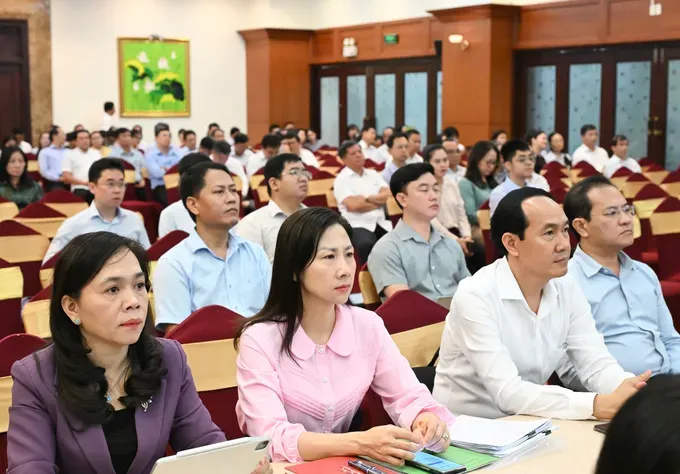
First, the International Financial Center is the place where the headquarters of global investment funds, investment banks, asset management companies, and financial technology hubs are located. These are precisely the entities capable of directing and mobilizing long-term capital flows into Vietnam’s and Ho Chi Minh City’s strategic infrastructure.
Second, it would bring the "intangible value" of FDI, including financial technology, advanced management expertise, international transparency standards, data systems, professional networks and the ability to connect with global value chains.
Third, it would enable Vietnamese enterprises to access international capital markets more directly at competitive costs, diversify financing channels and support the emergence of regionally competitive businesses.
Chairman Nguyen Van Duoc stressed that Ho Chi Minh City fully recognizes both the trust and responsibility entrusted by the Politburo, the National Assembly and the Government in leading the project.
This is not simply Ho Chi Minh City's project. It is a national financial institution designed to serve the entire economy and help local governments, Vietnamese businesses and strategic industries connect more effectively with global capital, he said.
He called for continued support from the Politburo, the National Assembly, the Government and relevant ministries to establish competitive and flexible institutional mechanisms capable of matching leading financial centers in the region.
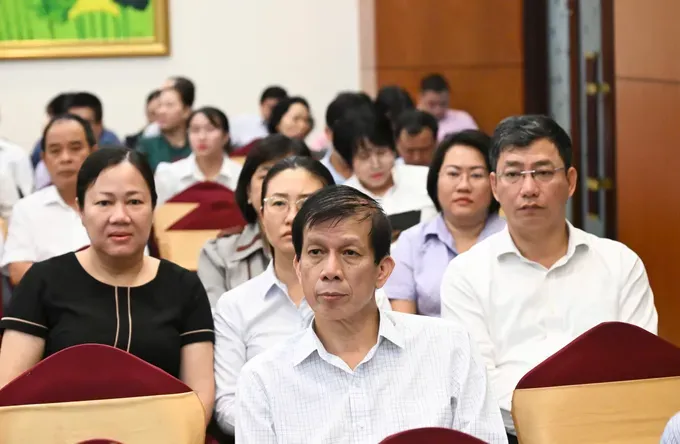
He expressed confidence that, with continued support from the central government, the International Financial Center would drive growth in Ho Chi Minh City, expand development opportunities nationwide, enhance Vietnam's global financial profile and contribute to the country's sustainable development.