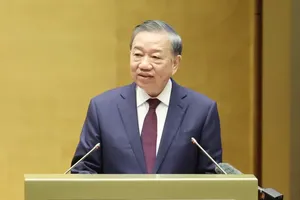
Party General Secretary and State President To Lam, on behalf of the Politburo, has signed Resolution No. 16-NQ/TW on the construction and development of Dong Nai City through 2035, with a vision to 2065.
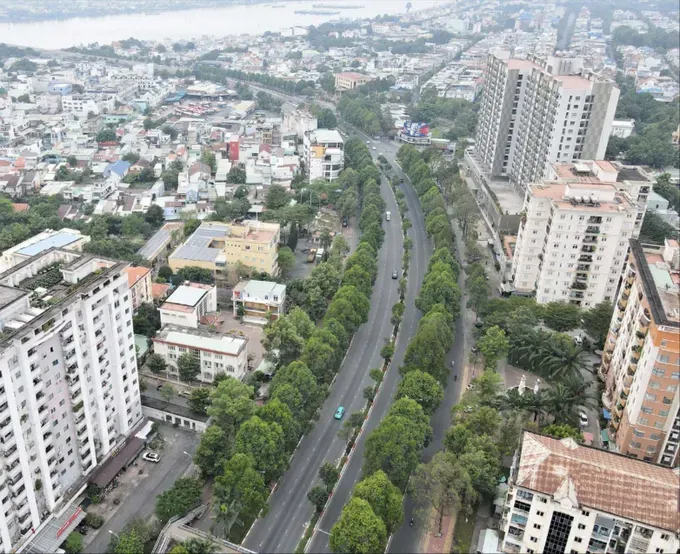
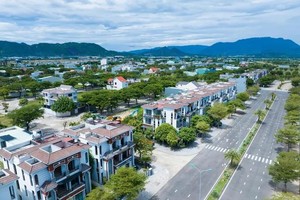
The resolution envisions Dong Nai City becoming a special-status city and a strategic gateway to Vietnam's Southern Key Economic Region. It will be closely connected with the Southeast, the South Central Coast, the Central Highlands, the Mekong Delta, and international markets, while leveraging its strategic role as an airport city to become a globally connected urban center on par with leading airport cities in the region and worldwide.
By 2035, Dong Nai City aims to develop into an airport city featuring a riverside, multi-centered urban model. By 2045, it is expected to become a modern aviation hub for the Asia-Pacific region and a dynamic knowledge-based economy. By 2065, the city is envisioned as a globally connected metropolis with a high quality of life and among the world's leading multifunctional airport cities.
The resolution targets average annual GRDP growth of at least 10 percent through 2045. By 2030, the city's GRDP is expected to reach approximately US$44 billion, with per capita GRDP of US$9,200. The digital economy is projected to account for at least 30 percent of GRDP, while the urbanization rate is expected to reach 65 percent.
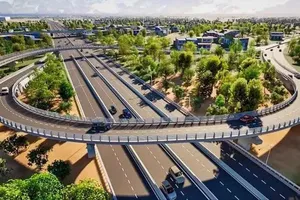
To achieve these goals, the resolution outlines eight key tasks and solutions, including long-term strategic urban planning, institutional reforms and policies to mobilize development resources. It also calls for the development of an integrated aviation ecosystem, strategic infrastructure and modern urban spaces, a new growth model driven by science and technology, innovation and digital transformation, and the promotion of key economic sectors.
The resolution also authorizes the application of several special mechanisms and policies similar to those currently in place for Ho Chi Minh City in areas such as investment, public finance, budgeting, land management, construction, urban planning, environmental protection, strategic investment, science and technology and innovation.
In addition, it proposes the establishment and development of special economic zones, free trade zones, concentrated digital technology parks, innovation hubs, and university education zones linked to the Long Thanh airport city to develop the airport region into an international-standard economic hub.
Regarding the aviation ecosystem, the resolution identifies Long Thanh International Airport as the country's primary international aviation gateway and a major international transit hub, serving as a strategic node in regional and global supply chains supported by a comprehensive aviation ecosystem.