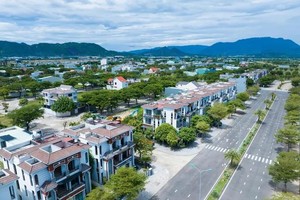
Under the notice, the Deputy Prime Minister instructed the province to begin preparing a proposal for Ninh Binh to become a centrally governed city by 2030, envisioned as a "millennium heritage city."
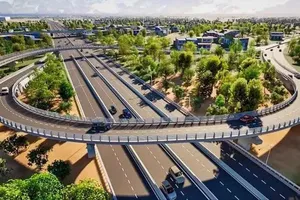
Authorities were directed to effectively implement the adjusted Ninh Binh Provincial Master Plan for 2021–2030, with a vision to 2050, while prioritizing investment in strategic infrastructure and key transport corridors linking the province's urban center with major tourism destinations and neighboring regions.
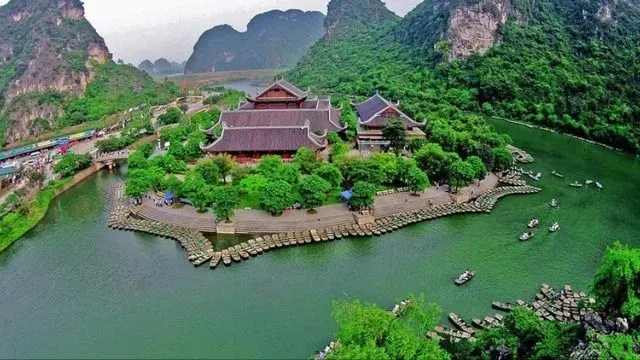
Ninh Binh was also instructed to study the development of additional key economic zones and a marine economy, while prioritizing investment in high-speed rail, a deep-water seaport integrated with a coastal urban area and tourism port, digital infrastructure, and expanded connectivity among the province's major cultural heritage sites.
The Deputy Prime Minister emphasized that tourism growth should be aligned with environmental protection, with a focus on diversifying tourism offerings to attract a wider range of visitors, extend their stays, and boost tourism spending.
The announcement comes as the central government is also reviewing proposals to establish Quang Ninh and Bac Ninh as centrally governed cities.
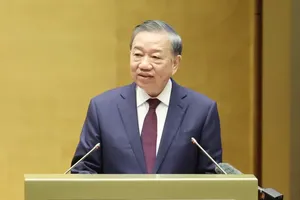
At the third plenum of the 14th Party Central Committee on July 20, Party General Secretary and State President To Lam identified four key priorities for discussion. One of them was the transition from fragmented administration to unified governance of development space and national resources.
He stressed that proposals to establish centrally governed cities such as Quang Ninh and Bac Ninh should be assessed in the context of creating new growth poles, improving urban governance, and strengthening regional linkages.
According to Party General Secretary and State President To Lam, any change in administrative status must deliver tangible improvements in governance capacity, resource mobilization, and regional development, while carefully evaluating infrastructure readiness, financial resources, operating costs, and impacts on local residents to ensure each proposal generates new value for the locality, the region, and the country.