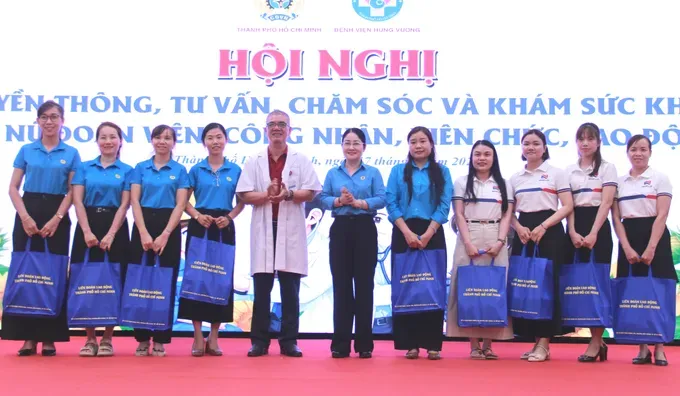
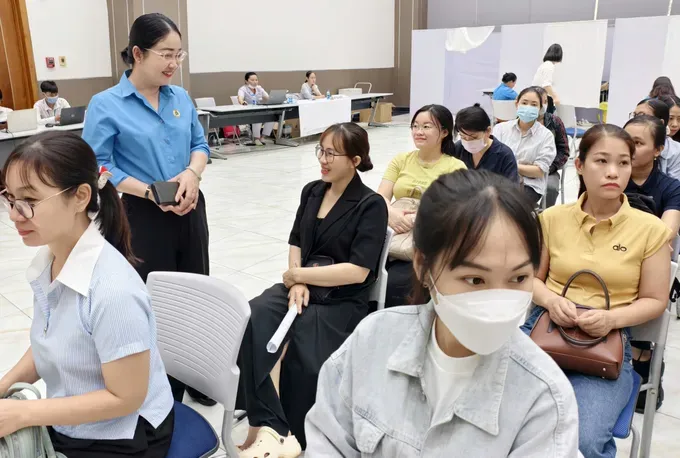
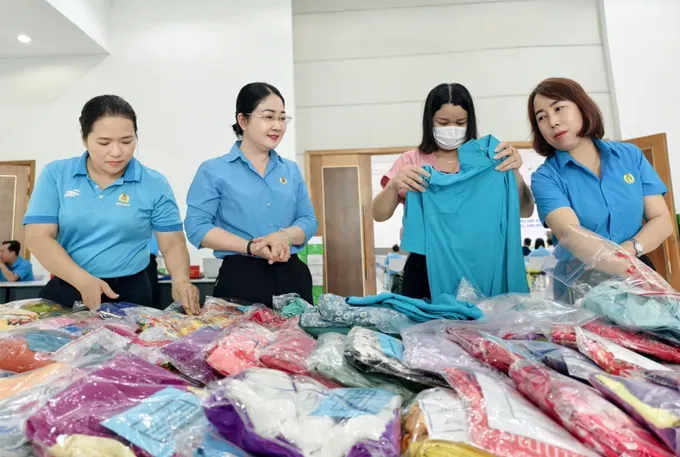
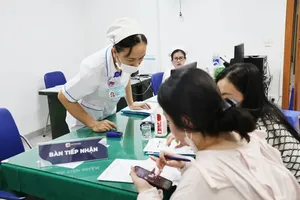
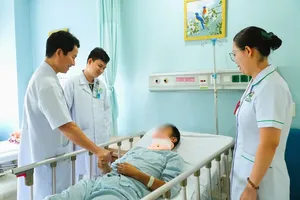
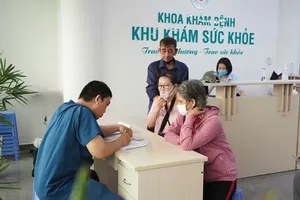
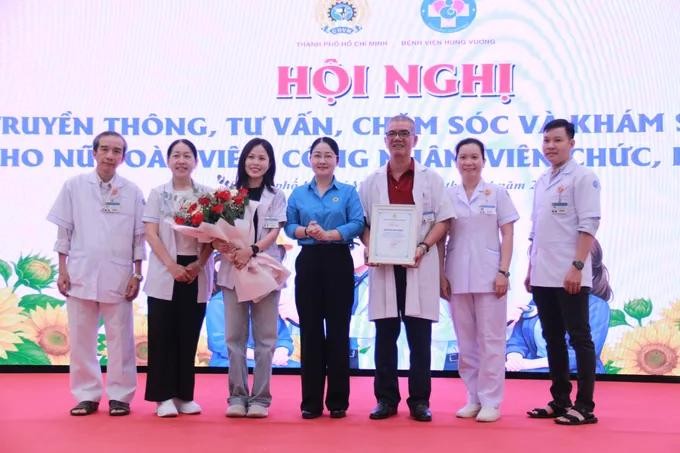
On the morning of April 17, at the Exhibition and Convention Center, the Ho Chi Minh City Labor Federation, in coordination with Hung Vuong Hospital, held a conference on communication, consultation, and reproductive healthcare for female union members, workers, civil servants, and employees in 2026.
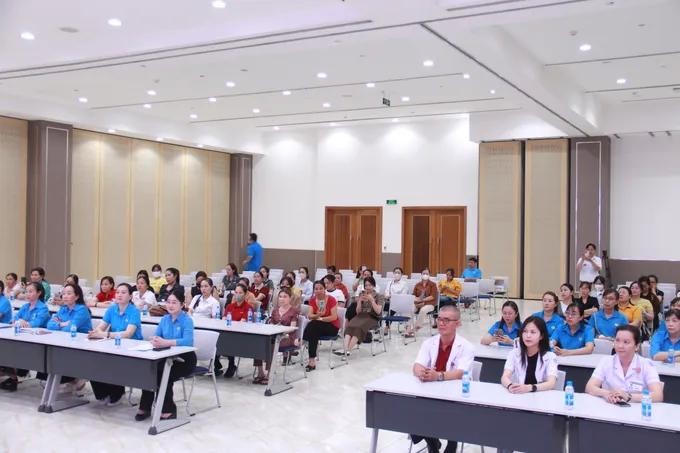
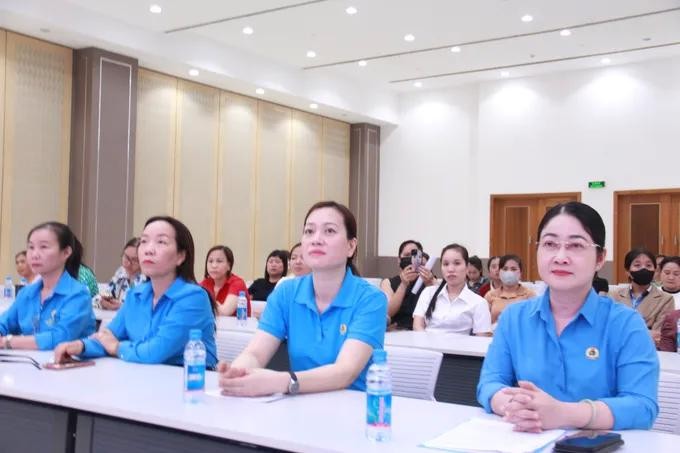
Ensuring the health of workers, particularly women, has long been recognized as a cornerstone of building a stronger workforce and advancing sustainable development. In a significant policy shift, the implementation of Politburo Resolution No. 72-NQ/TW marks a new chapter in this effort. The resolution emphasizes a transition from a system centered on “treatment” to one rooted in “prevention” and comprehensive healthcare, signaling a proactive approach to safeguarding worker well-being for the future.
Female worker Nguyen Thi Song Giang said that the nature of factory work, with high intensity and frequent overtime, makes it difficult for many female workers to arrange time for medical check-ups. “Programs like this are truly necessary, giving us the opportunity to have health check-ups, especially for gynecological conditions that we previously tended to overlook,” she said.
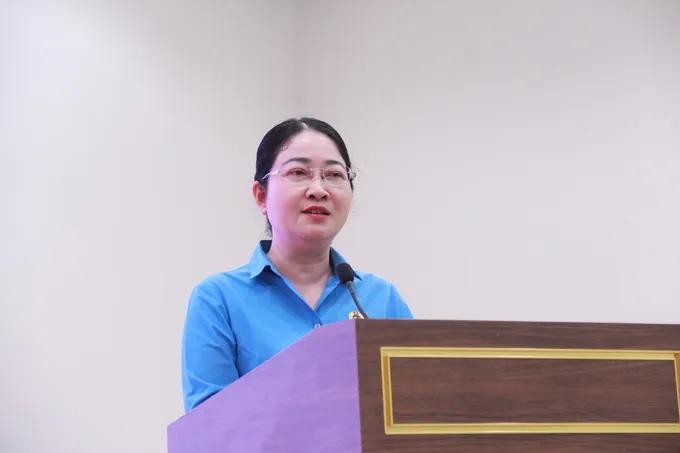
Speaking at the conference, Nguyen Kim Loan, Vice Chairwoman of the Ho Chi Minh City Labor Federation, affirmed that trade unions always identify healthcare, especially reproductive health for female members, as a key task. The coordination between the city’s Labor Federation and Hung Vuong Hospital in organizing the event is considered an effective and practical model.
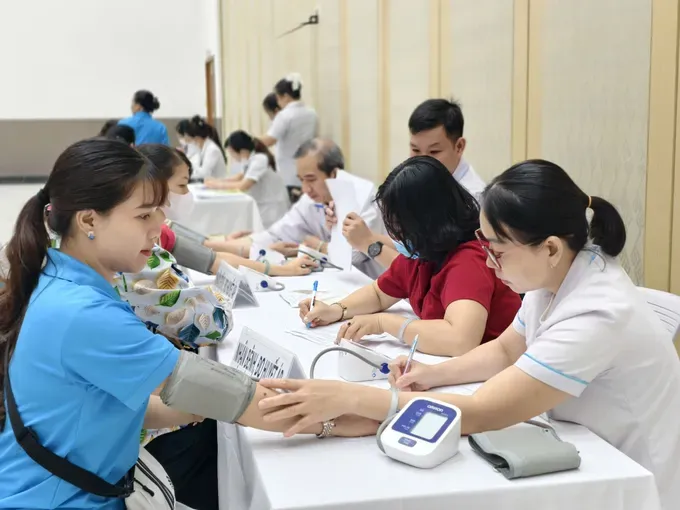
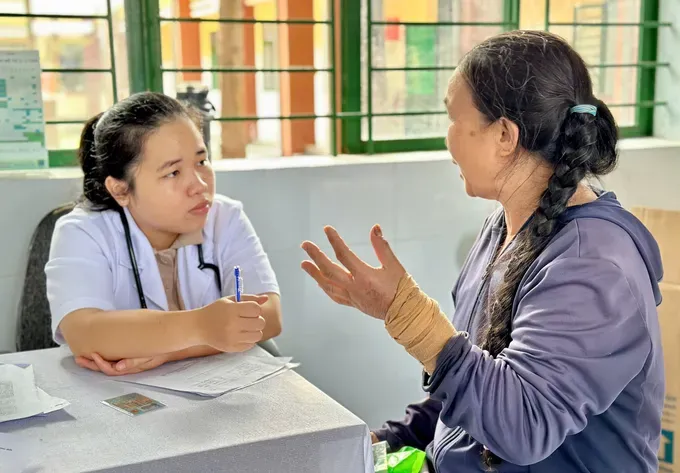
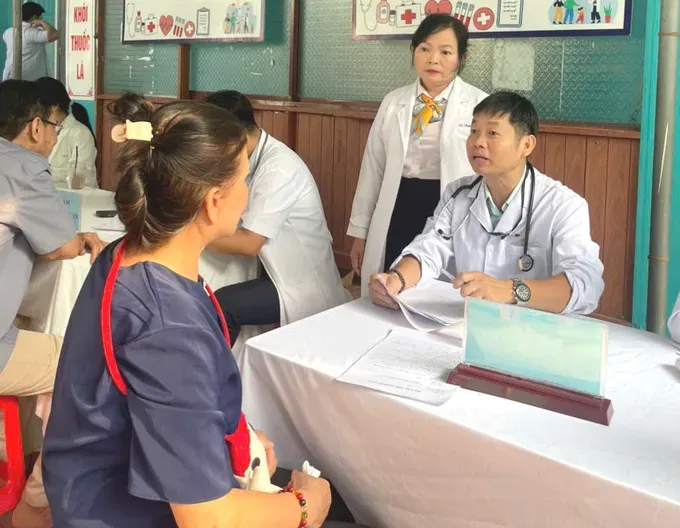
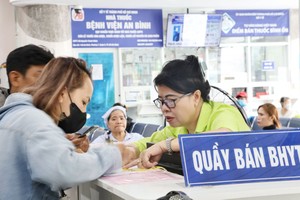
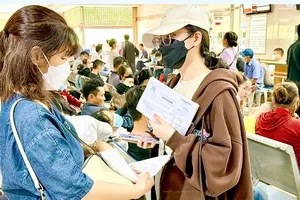
At the conference, more than 250 female union members and workers received in-depth consultations on reproductive health, medical examinations, and free medication from doctors and medical staff of Hung Vuong Hospital.
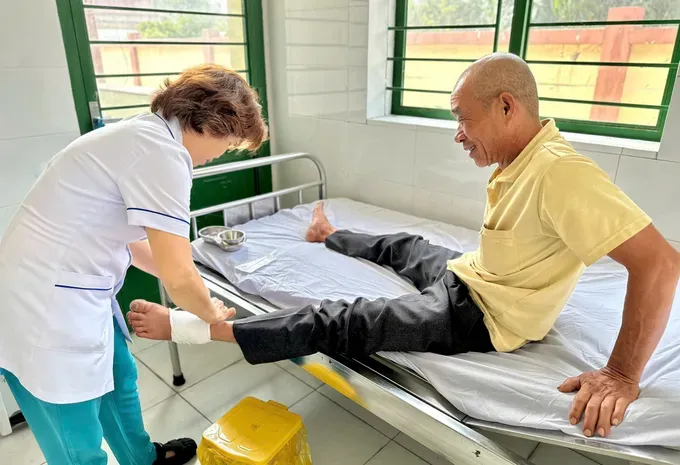
On the same day, people’s committees of wards and communes, in coordination with local health centers in Ho Chi Minh City, organized free health check-ups and screening programs for residents.
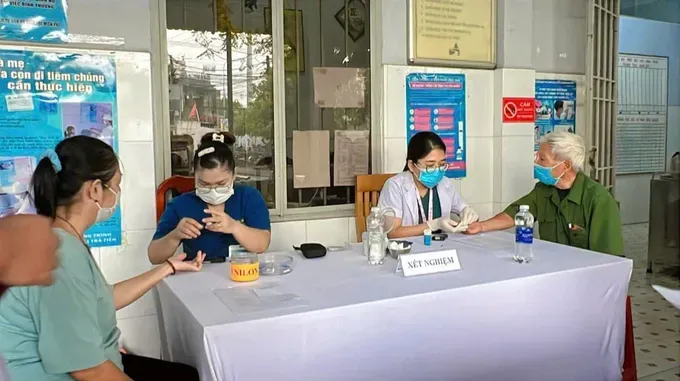
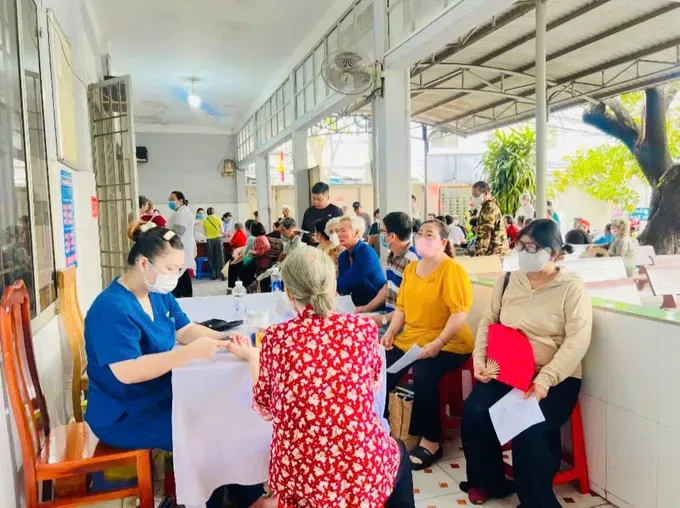
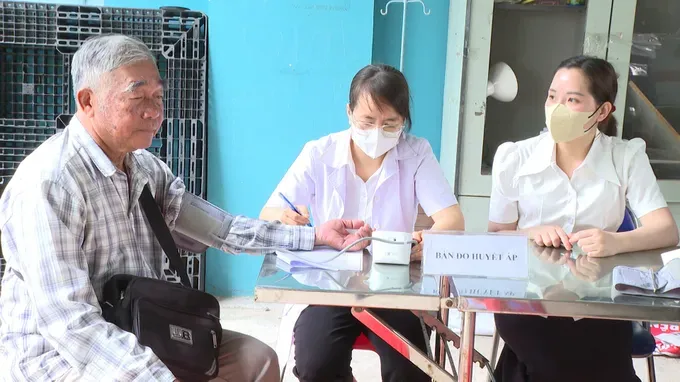
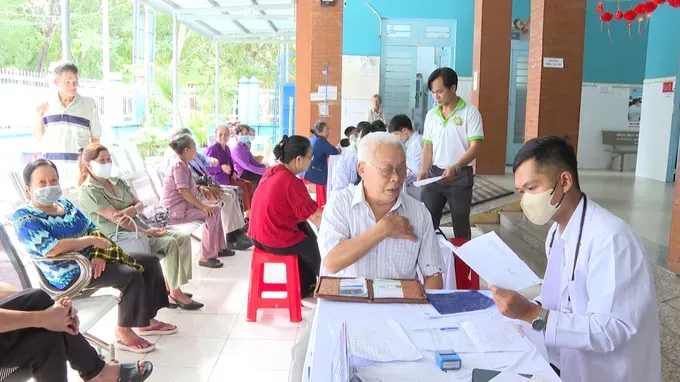
In Phu Giao Commune, around 200 residents, mainly priority groups such as the elderly, people with disabilities, women, children, poor and near-poor households, and policy beneficiaries, arrived early at the commune health station. In Lai Thieu, Phu Loi, Ben Cat wards and Bau Bang Commune, screening programs were conducted for about 300 people, including those aged 45 and above and younger individuals suspected of having cardiovascular diseases or diabetes.
Residents received general health check-ups, blood pressure measurements, blood glucose tests, and detailed advice on nutrition, lifestyle habits, and disease prevention. The program placed particular emphasis on screening for common conditions such as hypertension, diabetes, and cardiovascular diseases, as well as risk factors including obesity and lipid disorders.