The dengue hemorrhagic fever epidemic is experiencing unpredictable developments, breaking historical patterns and driving a continuous surge in infections.
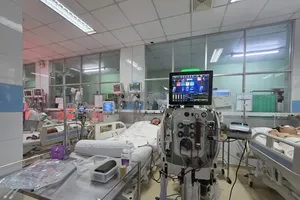
During the first five months of 2026, Vietnam recorded more than 50,000 dengue cases, a 2.5-fold increase compared to the same period last year, leading to a rise in severe cases.
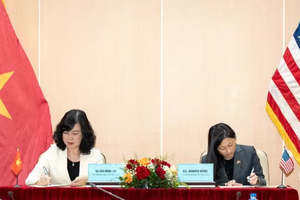
This was heard at a a seminar titled "Dengue Hemorrhagic Fever: Unpredictable Developments in Vietnam " organized by the Suckhoe & Doisong (Health & Life) Newspaper under the Ministry of Health, in collaboration with Takeda Pharmaceuticals Vietnam Company in observance of ASEAN Dengue Day on June 15.
Speaking at the event, Vo Hai Son, Deputy Director of the Department of Disease Prevention under the Ministry of Health, stated that due to the impacts of climate change and various factors related to urbanization, the dengue epidemic is taking an unpredictable turn. Notably, the disease no longer follows seasonal historical trends.
Unpredictable weather patterns, characterized by alternating hot, humid conditions and continuous rainfall since the beginning of the year, have created an ideal environment for the proliferation of Aedes mosquitoes. More worryingly, the DENV-2 serotype is currently dominant, increasing the risk of severe cases, Dr. Vo Hai Son said.
Associate Professor Nguyen Thanh Hung, Vice President of the Vietnam Pediatric Association and Former Director of Children's Hospital 1 in Ho Chi Minh City, noted a significant shift that dengue is no longer exclusively a childhood disease. Today, anyone at any age can contract the virus.
While over a decade ago, 60 percent to 70 percent of cases in the Southern region occurred in children under 15 years old, the infection rate between children and individuals over 15 is now nearly equal. Meanwhile, the greatest barrier to epidemic prevention lies in public complacency. Although most people are aware of the hazard of the illness, many still self-medicate when experiencing a high fever, and numerous young adults believe the disease is not serious.
However, the reality of dengue runs entirely contrary to common perception. Between the third and fifth day of the illness when the fever subsides and the patient feels they are recovering is actually the most dangerous phase where the disease is most likely to become severe. Complications during this window include dengue shock syndrome, severe hemorrhage, and multi-organ failure. This misleading characteristic, combined with subjective complacency, has led to many cases being detected too late, elevating the risk of mortality.
Dr. Angela Pratt, Chief Representative of the World Health Organization (WHO) in Vietnam, outlined three main factors driving the increase and complexity of the Dengue epidemic:
* Climate change: Creating favorable conditions for the Aedes aegypti mosquito to breed.
* Rapid urbanization: Inadequate infrastructure in densely populated residential areas.
* Unpredictable disease patterns: Posing significant challenges for the healthcare system in preparation and proactive response.
On behalf of the Ministry of Health, Deputy Director of the Department of Disease Prevention Vo Hai Son added that with the support of international organizations and enterprises, the health sector is researching and piloting the rollout of ddengue vaccines in select areas. This will serve as an evaluation basis before considering its inclusion in the National Expanded Program on Immunization.
Concurrently, the health sector continues to intensify mosquito control measures, boost public communication, enhance treatment capacity, and gradually utilize environmental and weather data for early epidemic warnings.