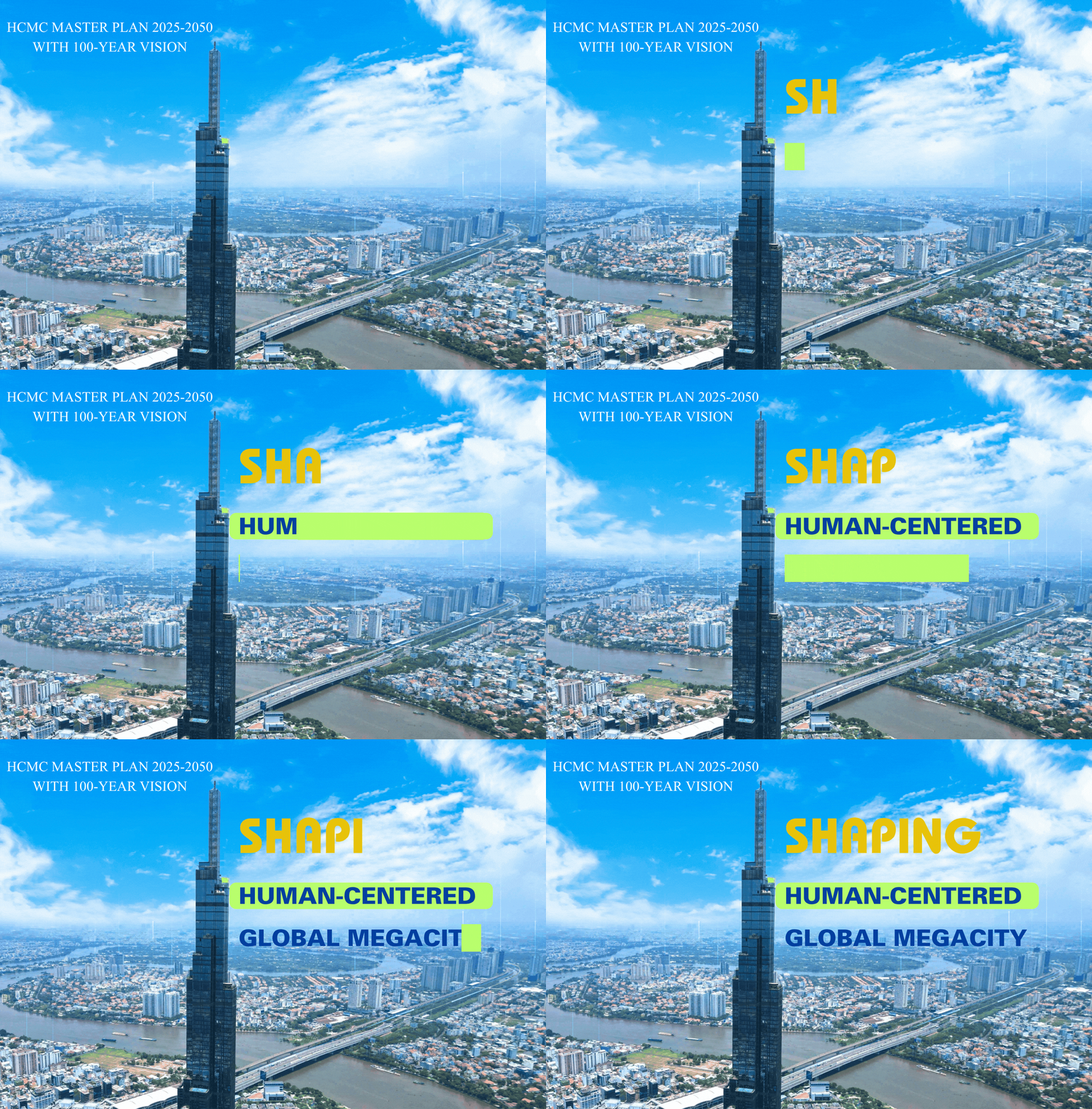
Addressing the conference announcing the Ho Chi Minh City Master Plan for the 2025–2050 period, with a 100-year vision, on the morning of November 23, National Assembly Chairman Tran Thanh Man emphasized that the event was of exceptional importance. It not only opens up new development space and momentum for the city but also provides a powerful impetus for the Southeast region, the Southern Key Economic Region, and the country as a whole.
The published master plan must be put into practice
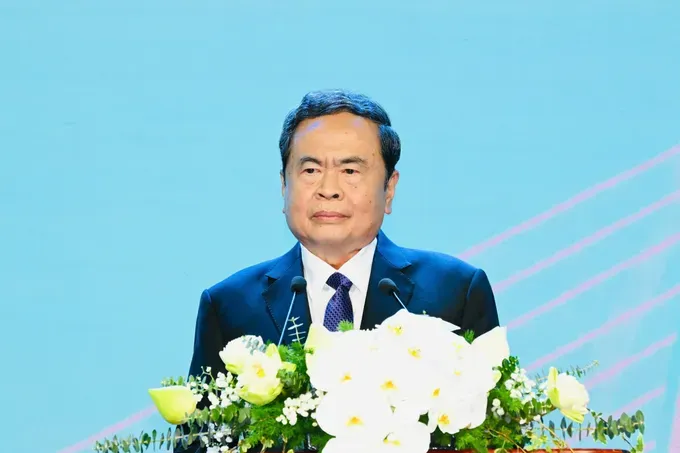
The National Assembly Chairman congratulated and commended Ho Chi Minh City, central agencies and ministries, and experts and scientists for their efforts and determination, as well as their close coordination and painstaking work in developing the city's master plan with a long-term strategic vision.
He affirmed that Ho Chi Minh City has always held a particularly important position and role as a major center for the economy, culture, education and training, and science and technology, as well as a hub for exchange and international integration. The city also serves as a leading growth engine with strong appeal and spillover effects across the Southeast region and the country.
The announcement of Ho Chi Minh City's master plan represents a concrete step toward implementing Politburo resolutions, particularly Resolution No. 09-NQ/TW. The plan sets out key orientations for the city to further strengthen its role as a leading growth engine, develop the digital, green, and circular economies, expand its development space, and enhance its international competitiveness.
Chairman Tran Thanh Man stressed that implementation would be the decisive factor in determining the plan's success and ensuring it translates into tangible results.
The announced master plan must truly be put into practice. The decisive factor in making it a reality is implementation. He stressed the importance of how, where, who, and when it will be implemented to benefit the people.
The National Assembly Chairman called on the Ho Chi Minh City Party Committee, municipal authorities, and relevant agencies to focus on widely disseminating the plan's core contents to all levels of government, sectors, the business community, and residents, thereby fostering a shared understanding and consensus in action.
He also urged the city to promote the oversight role of the Ho Chi Minh City delegation of National Assembly deputies, People's Councils at all levels, and particularly public participation in monitoring the plan's implementation, while mobilizing the maximum available social resources for development investment. The city should promptly review and adjust subdivision plans, detailed plans, and sectoral plans to ensure consistency and alignment with the approved master plan.
In addition, Ho Chi Minh City should creatively and effectively apply special mechanisms and policies under Resolution No. 98/2023/QH15 and relevant legal provisions, particularly the Law on Urban Development, to achieve breakthroughs in resource mobilization. Priority should be given to transit-oriented development (TOD), attracting strategic investors, and developing the International Financial Center, high-tech parks, and innovation ecosystems.
Removing bottlenecks to ensure rapid and sustainable city development
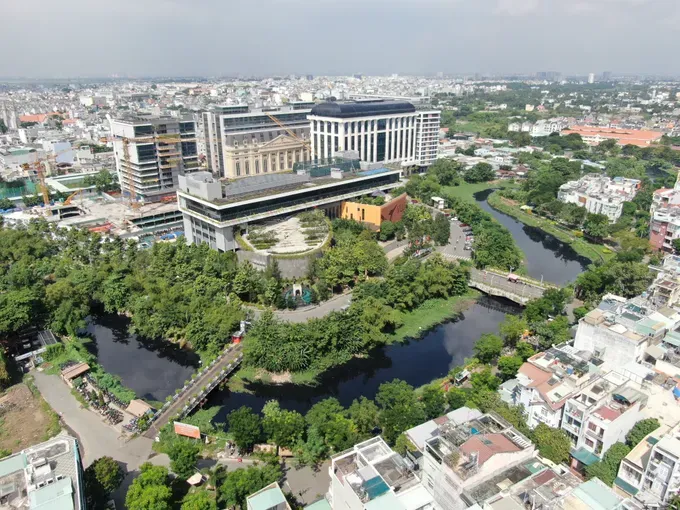
The National Assembly Chairman stressed the need to develop new urban areas that are bright, green, clean, and attractive while addressing housing needs and improving residents' quality of life. Ho Chi Minh City should focus on removing infrastructure bottlenecks, prioritizing investment in regional connectivity, and proactively implementing fundamental solutions to address climate change, flooding, and environmental pollution, while promoting the green and circular economies.
He emphasized that the city's development must strike a balance between economic growth, social progress and equity, environmental protection, and improvements in people's quality of life. These are essential requirements for a major urban center seeking rapid, sustainable development and greater international standing.
The city should continue to enhance the effectiveness and efficiency of state governance, accelerate administrative reform and digital transformation, and apply artificial intelligence in management and administration. It must build a streamlined, modern, transparent, and action-oriented government that serves residents and businesses. Particular attention should be paid to training, developing, attracting, and retaining talent while building a capable and resilient cadre of officials who are willing to think innovatively, take action, and assume responsibility for the common good.
In addition, the Ho Chi Minh City Party Committee must be built into a truly united, clean, and strong organization with a high sense of responsibility, promoting democracy while maintaining discipline, order, and accountability in decision-making and implementation.
In implementing the master plan, the city must resolutely combat corruption, wastefulness, and misconduct, particularly in planning, land management, investment, bidding, procurement, and public asset management. The National Assembly Chairman underscored the need for firm action against corruption, wastefulness, and misconduct, especially in land-related matters, investment, bidding, and procurement.
Additionally, clear legal guidance must be provided on the legal basis, authority, and responsibilities of officials and civil servants, enabling them to carry out their duties in accordance with the law, proactively innovate, and take initiative without evading or shifting responsibility.
Highlighting the central authorities' attention to Ho Chi Minh City, National Assembly Chairman Tran Thanh Man stressed that Party General Secretary and State President To Lam, along with other Party and State leaders, have consistently given the city special attention and held numerous working sessions to direct efforts to resolve difficulties and bottlenecks, enabling it to develop rapidly and sustainably and live up to the stature of the city named after President Ho Chi Minh.
In recent years, the National Assembly, the Government and the National Assembly Standing Committee have worked alongside Ho Chi Minh City in adopting a number of important policy decisions, particularly special mechanisms and policies that have established a legal framework and granted the city greater autonomy.
The National Assembly Chairman affirmed that the legislature would continue to listen to the city, promptly refine institutions and legislation, strengthen oversight of implementation, and establish a more enabling legal framework to help Ho Chi Minh City make breakthroughs and rise to its full potential.
He expressed confidence that, with its revolutionary tradition, dynamism, and creativity, together with the central leadership and support and the partnership of the business community, scientists, investors, and residents, Ho Chi Minh City would successfully achieve the objectives set out in the master plan, maintain its leading role as a growth engine, and join the nation in advancing steadily into a new era of development.


)