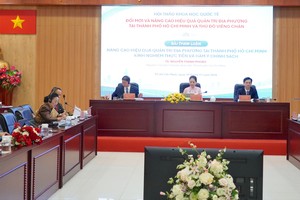
The People's Committees of Thu Dau Mot and Phu Loi wards, in coordination with the Ho Chi Minh City Management Authority for Urban Railways (MAUR), announced plans for land acquisition, surveys, measurements and property inventories to facilitate compensation, assistance, and resettlement on November 20.
In Thu Dau Mot Ward, Mr. Ho Duong Binh, Deputy Director of MAUR's Technical Infrastructure Division, said the metro section running through the ward would stretch 4.1 kilometers, requiring the acquisition of approximately 7.03 hectares of land and affecting 311 households, organizations, and individuals. Of these, 35 cases involving full property clearance have expressed a need for resettlement.

The ward administration has notified affected households, individuals, and organizations of the land acquisition plan. It is also working with the Binh Duong branch of the Regional Land Fund Development Center to conduct property inventories, assess houses, structures, and other assets attached to the land, and determine specific land prices as the basis for compensation plans in accordance with regulations.

At a public meeting, several residents urged authorities to complete property inventories, determine compensation rates, and arrange resettlement as soon as possible so they could stabilize their lives.
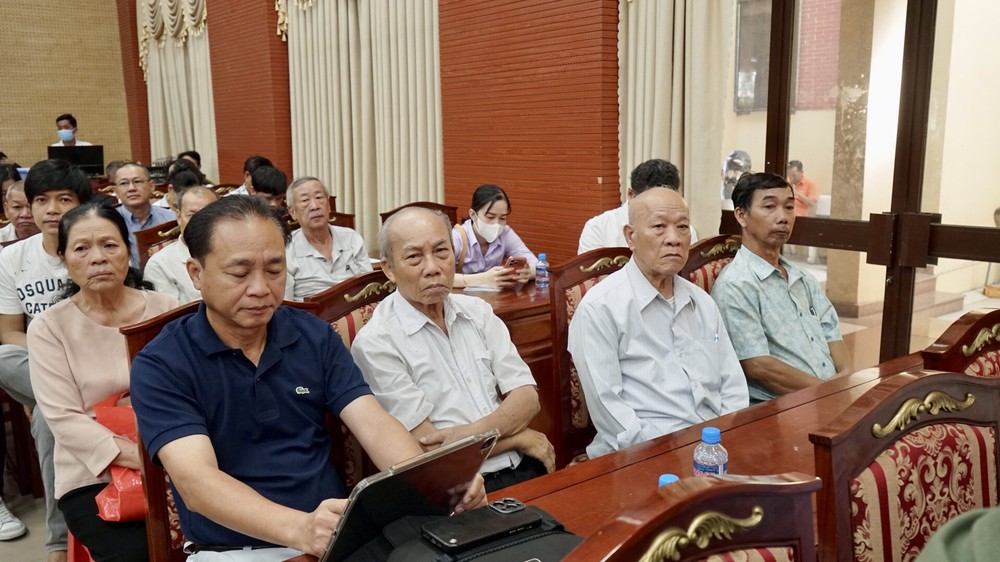
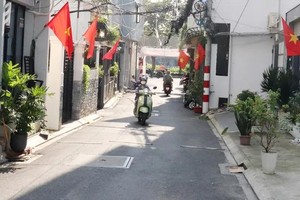
Some also expressed concerns that the remaining plots after partial land acquisition would be too small to meet construction requirements, potentially leaving them unable to rebuild their homes.
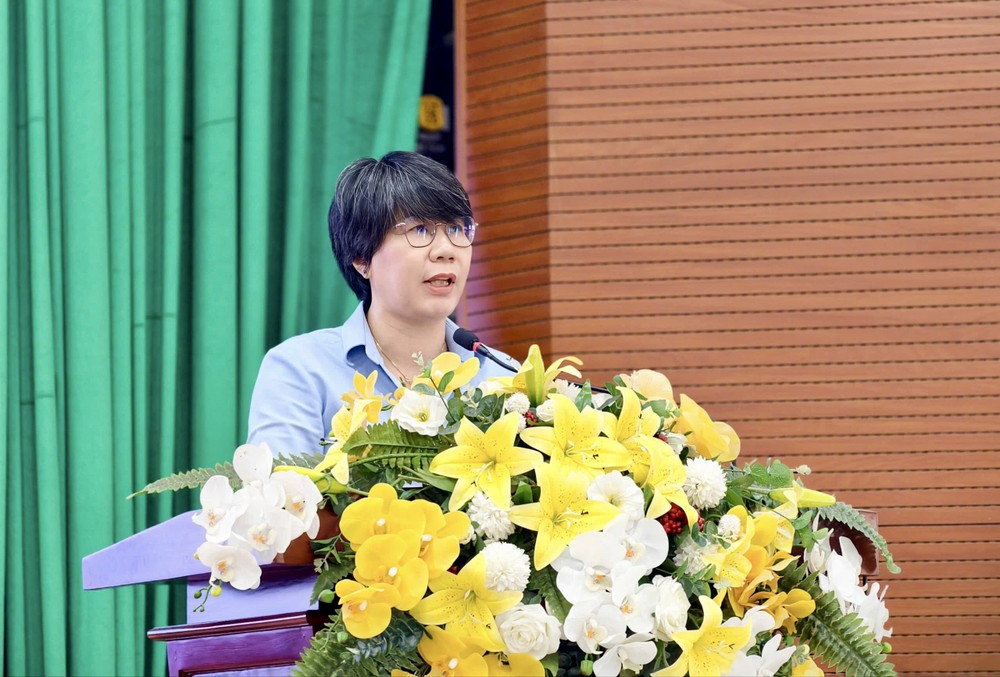
Local officials and representatives of relevant agencies called on residents to provide complete legal documentation and cooperate with working groups in verifying land origins and ownership records. They said residents' concerns and recommendations would be documented and forwarded to competent authorities for consideration and resolution, to build public consensus and expedite site handover.
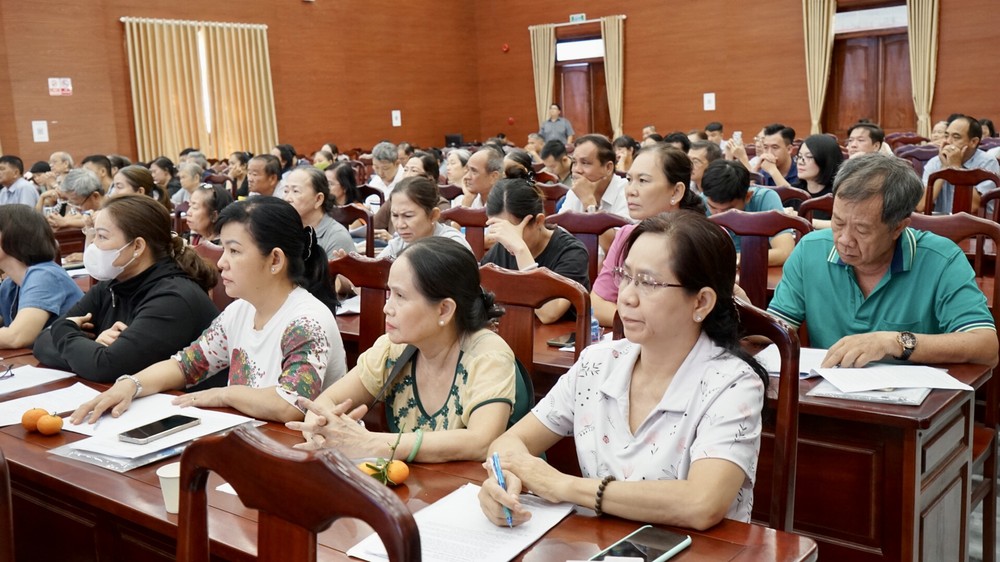
In neighboring Phu Loi Ward, Ms. Vu Minh Huyen, Deputy Head of MAUR, said the metro section would run 2.1 kilometers through the area, requiring the acquisition of approximately 2.86 hectares and affecting 147 cases involving 160 land parcels.
Land surveys have been completed for all 160 parcels, reaching 100 percent, while inventories of assets attached to the land have been completed for 153 parcels, or 95.6 percent.
Most affected residents attending the meeting expressed support for the project in principle but urged authorities to announce compensation plans and rates promptly and provide appropriate resettlement arrangements to help them maintain their livelihoods and facilitate site clearance.
One particularly sensitive section runs through the area known as the city's "financial district" along Binh Duong Boulevard, where numerous bank branches and transaction offices are located. Among the properties slated for clearance are the Binh Duong branches of Asia Commercial Joint Stock Bank (ACB) and Ho Chi Minh City Development Joint Stock Commercial Bank (HDBank), opposite Thu Dau Mot Park.
Mr. Huynh Van Thuy, Director of ACB's Binh Duong branch, said the current design calls for a pedestrian overpass connecting Metro Station C4 across Binh Duong Boulevard. Its access ramp would be located directly on the site of ACB's eight-story headquarters at 332 Binh Duong Boulevard.
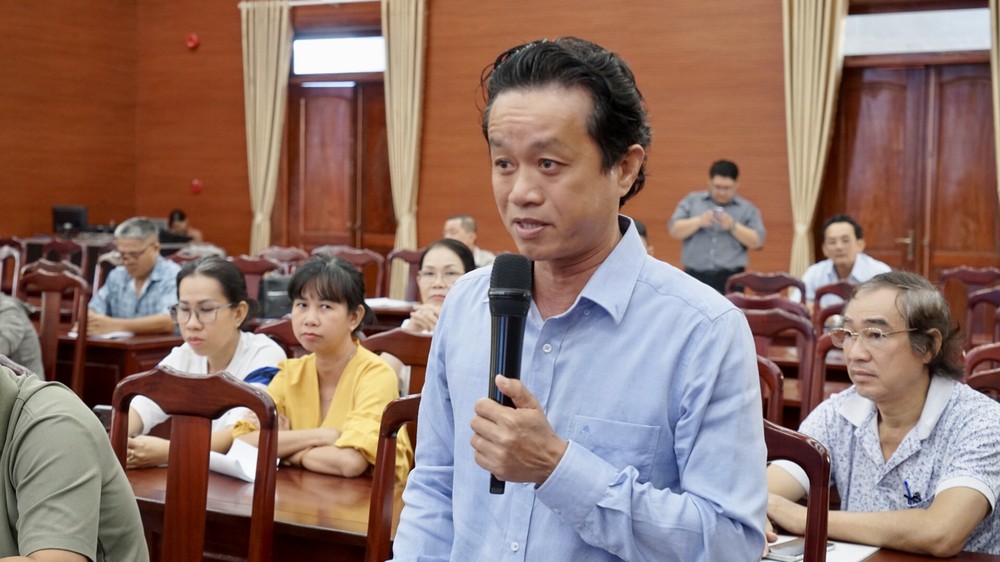
The proposed structure would affect approximately two-thirds of the building's floor area. Because the resulting impact would require structural alterations, the entire building would have to be demolished, he said.
Meanwhile, ACB's Thu Dau Mot transaction office at 305 Binh Duong Boulevard, about 200 meters from the branch headquarters, is also slated for complete clearance to make way for the elevated railway.
Given the substantial compensation costs associated with demolishing the eight-story headquarters, Mr. Huynh Van Thuy proposed that the design team consider relocating the pedestrian overpass farther toward the former Binh Duong Tax Department site to avoid affecting the building and reduce compensation expenses.
If redesigning the structure is not feasible, he suggested providing alternative premises by reallocating surplus or vacant public buildings along Binh Duong Boulevard, including the former Customs Department or Tax Department headquarters.
"We currently serve 51,000 customers in the Binh Duong area, with outstanding loans totaling VND25 trillion (US$1 billion), and employ more than 400 people. Having both our main branch headquarters and transaction office cleared at the same time would create significant difficulties for financial services used by residents and businesses," Mr. Huynh Van Thuy said.
Representatives of HDBank's Binh Duong branch also requested alternative premises to ensure business continuity during site clearance.
Phu Loi Ward officials said they were working with the project developer and relevant departments to consolidate outstanding issues, address obstacles and accelerate land clearance to keep the project on schedule.
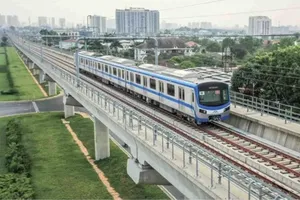
Metro Line 2, connecting Thu Dau Mot and Tao Dan, is planned to span approximately 33.2 kilometers, including 17.8 kilometers underground, with the remainder running on elevated tracks.
The project is designed to include 24 stations: 11 elevated stations, designated C0 through C10, and 13 underground stations, designated C11 through C23. It will also feature the 26.8-hectare Hiep Binh Phuoc depot, located in Tam Binh and Hiep Binh wards.
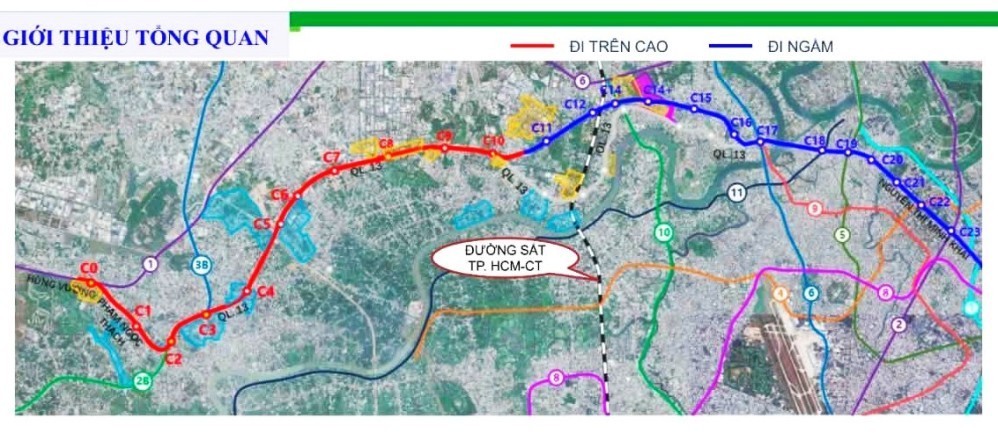
The route will pass through 16 wards: Binh Duong, Phu Loi, Thu Dau Mot, Thuan Giao, Thuan An, Lai Thieu, Binh Hoa, Tam Binh, Hiep Binh, Binh Thanh, Gia Dinh, Thanh My Tay, Xuan Hoa, Saigon, Ben Thanh, and Ban Co.
Its starting point will connect with Station S5 on Metro Line 1's New Binh Duong City-Suoi Tien section, while its terminus at Station C23, near Tao Dan Park, will connect with the Ben Thanh-Tham Luong section of Metro Line 2.