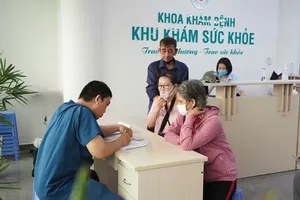
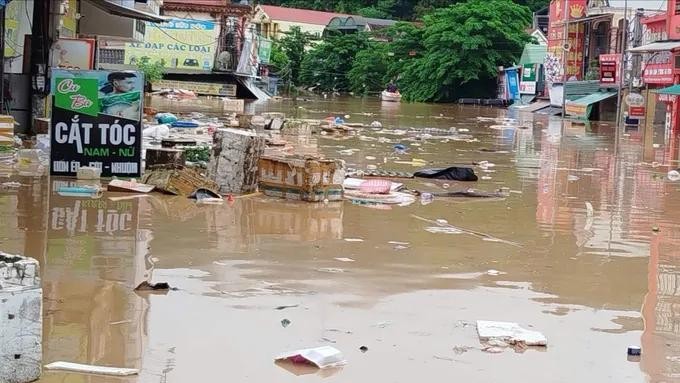
The Vietnam Food Administration under the Ministry of Health has requested local health departments across Northern and Central regions to implement urgent food safety measures, preventing food poisoning and disease transmission following storm No. 4 (with international name storm Narra) and subsequent severe flooding.
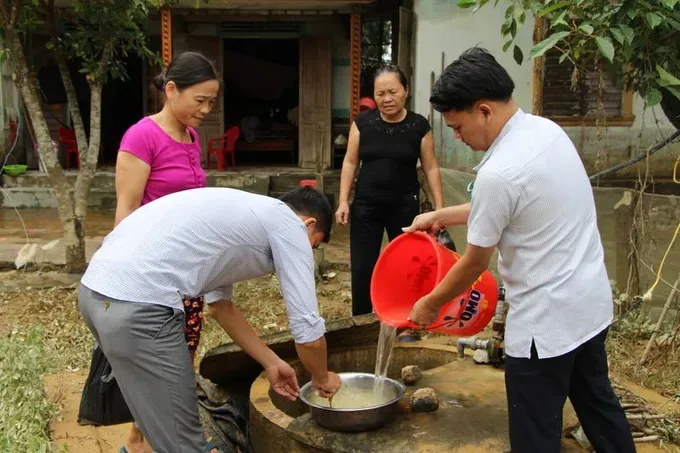
According to the request, affected localities must step up public communication instructing residents to adhere to the principle of "eat cooked food and drink boiled water," use clean or treated water for cooking and drinking, and wash hands before eating, before preparing food, and after using the toilet.
Residents are advised to clean dining utensils, store food in dry and clean places, and strictly avoid consuming food that has been submerged in water, contaminated, spoiled, or altered.
Regarding water sources in flooded areas, local authorities must guide people on filtering and disinfecting water according to health agency instructions and boiling it prior to use. Contaminated and untreated water sources must be clearly flagged to prevent their use in eating, drinking, or food preparation.
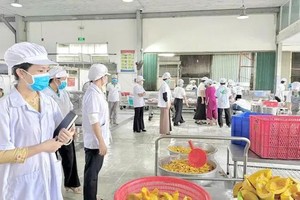
The Vietnam Food Administration also requested tightened inspection and supervision of food production and trading establishments, catering services, collective kitchens, meal distribution points, and relief food receiving centers. Special attention should be paid to high-risk foods or products affected by flooding, power outages, or improper storage conditions.
Unsafe food must be promptly recalled, destroyed, or processed in accordance with regulations to prevent contaminated or spoiled items from circulating, being consumed, or being distributed as relief aid. Localities were also instructed to prohibit the use of fresh manure for fertilizing or watering vegetables, roots, and fruits.
Local health sectors must enhance monitoring, detection, and response to instances of food poisoning and foodborne illnesses while ensuring timely emergency treatment. Accordingly, if an outbreak occurs, authorities must rapidly investigate, take samples, identify the contaminated food and pathogen source, and eliminate contamination to prevent further spread.
The Vietnam Food Administration urged local authorities to prioritize flooded, isolated, and high-risk areas while coordinating with relevant agencies to safeguard food safety and environmental hygiene.
In addition, following prolonged rains and severe flooding, residents face an elevated risk of infectious diseases from exposure to contaminated water, mud, and polluted water sources.
Medical experts warn that Leptospira bacteria can survive in water and mud contaminated by animal urine, entering the human body through skin abrasions when people wade through floodwaters or clear mud. Gastrointestinal diseases such as acute diarrhea, dysentery, typhoid, cholera, and hepatitis A can also increase due to contaminated water and food. Consequently, residents should limit contact with floodwaters and mud, using boots and gloves during cleanup efforts. After exposure to floodwaters, individuals should wash their hands and feet thoroughly, sanitize any wounds, and monitor their health.
If symptoms such as fever, headache, muscle pain, diarrhea, persistent vomiting, or other unusual signs appear, individuals should immediately visit a medical facility for examination and treatment.