The latest figures bring the total number of infections in the city to 31,032 since the beginning of the year through September 6. Notably, weekly new cases have consistently exceeded 1,000 over the past five consecutive weeks.
Speaking at the recent seminar "Dual Shield Protecting Families from Dengue Fever During the Rainy Season," co-organized by the Ho Chi Minh City Center for Disease Control (HCDC) and Takeda Pharmaceuticals Vietnam Co., Ltd., Dr. Le Hong Nga, Deputy Director of HCDC, stated that dengue fever has become an endemic year-round illness in Ho Chi Minh City. Notably, the city recorded a higher number of cases in the first eight months of this year compared to the same period last year.
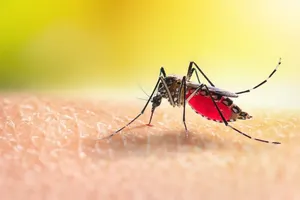
Climate change combined with the unique conditions of a densely populated metropolis has caused dengue to persist continuously, posing an ongoing outbreak risk in the city. Without regular inspection and disposal of water containers, Aedes aegypti mosquitoes—the primary vector of the disease—can easily breed. When a case emerges within a household or community, the risk of localized clusters and broader outbreaks surges if left undetected and unaddressed.
According to Dr. Le Hong Nga, the Aedes aegypti mosquito, the primary vector of dengue, does not typically lay eggs in dirty or foul-smelling sewage water. Instead, it tends to seek out clean water in and around homes. Therefore, urban households, whether residing in high-rise apartments or well-appointed townhouses, should remain vigilant against the persistent threat of dengue fever.

From the perspective of directly treating dengue patients, Dr. Nguyen Tran Nam, Deputy Director of the City Children’s Hospital, warned that the risk of dengue is not confined to the home but may also lurk in neighborhoods, schools, and the surrounding environment. If family members are careless, complacent, or mistake the early symptoms of dengue for those of a common fever or flu, patients may miss the crucial window for timely monitoring and intervention.
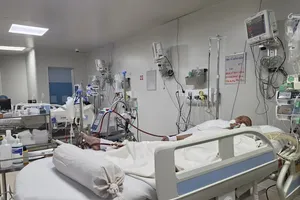
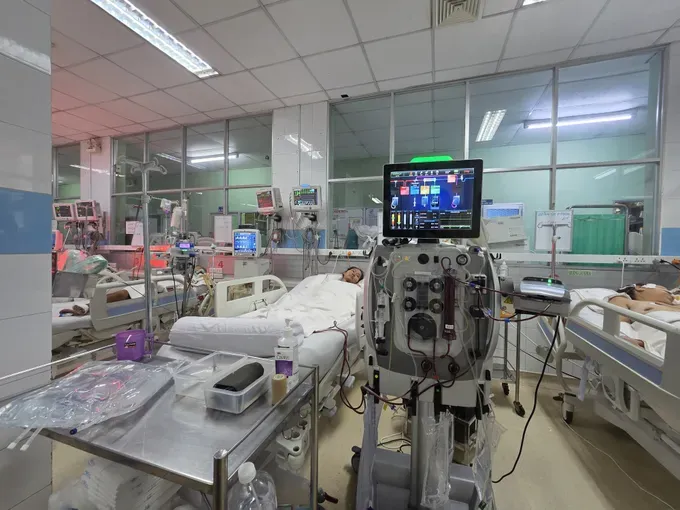
Meanwhile, severe dengue cases can have a complex progression. As there is no specific treatment for the disease, treatment may require a range of advanced medical interventions, including high-molecular-weight fluid therapy, blood transfusions, blood purification, mechanical ventilation, and extracorporeal membrane oxygenation (ECMO). In some cases, treatment can last for months.
“Severe cases not only place considerable pressure on healthcare workers but can also leave lasting psychological trauma for both pediatric patients and their family members. Therefore, preventing infections and limiting severe complications require concerted efforts from every family and society as a whole,” Dr. Nguyen Tran Nam, Deputy Director of the City Children’s Hospital, warned.
According to medical experts, vaccination plays a complementary role in an integrated prevention strategy, helping reduce the risk of infection, hospitalization, and severe complications caused by dengue fever. Alongside vaccination against dengue, vector control measures in the community must also be maintained on a regular basis.
Measures to eliminate mosquitoes and their breeding sites not only help curb dengue but also prevent other diseases transmitted by Aedes aegypti mosquitoes, such as Zika and chikungunya, for which no vaccines are currently available.