A three-phase development roadmap
The draft VIFC–HCMC development strategy for 2026–2030, prepared by the VIFC–HCMC Executive Authority with advisory support from Boston Consulting Group (BCG), sets out the initial initiatives for the center.
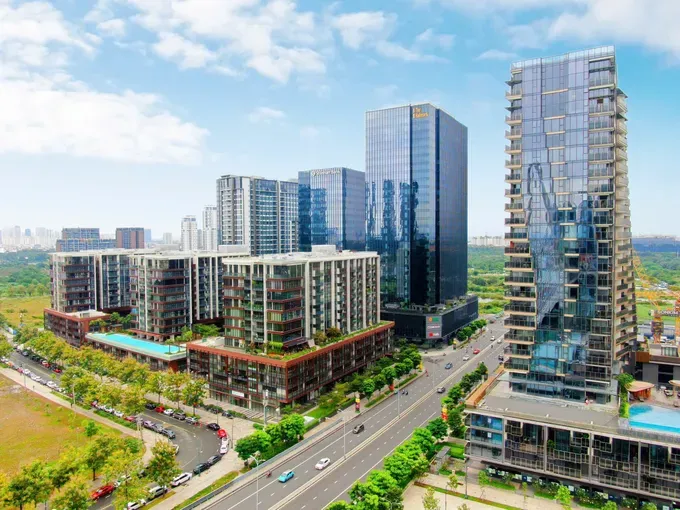
Drawing on lessons from leading global financial hubs, the draft notes that building an international financial center (IFC) typically takes 20–30 years. As an emerging city, Ho Chi Minh City is currently in the early stage of this long-term journey. Based on international experience, the strategy identifies seven key pillars for success.
Notably, the draft proposes a product development roadmap centered on four core areas, including international capital markets, trade finance, digital banking and fintech and niche financial products. This roadmap is structured into three phases.
The first phase focuses on establishing institutional and market foundations, with priority given to the initial formation of an international capital market. The second phase emphasizes selective expansion, particularly through cross-border activities to broaden the international capital market and accelerate the development of green finance products. The thrid phase aims to complete the international financial center, with a focus on building a comprehensive and mature capital market.
The draft also outlines concrete implementation plans beginning in 2026, with multiple clearly defined task groups.
Urging refinement of the VIFC–HCMC strategy
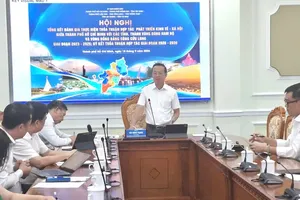
Ms. Nguyen Huyen Diu, Deputy Director General of the Monetary Policy Department at the State Bank of Vietnam, said that the draft strategy shows strong effort by both the authorities and consultants, but still needs refinement, especially in clarifying its long-term vision. She stressed that building an international financial center is about developing a complete ecosystem, not just financial and banking policies. The strategy should clearly define responsibilities, implementation roadmaps, KPIs for each phase and stronger coordination between VIFC–HCMC and the Da Nang IFC to avoid overlap.
Sharing this view, Associate Professor Dr. Nguyen Hong Son highlighted that an international financial center is built on trust, with strategy as a key pillar. He called for clearer short- and medium-term goals that define VIFC–HCMC’s future position, alongside a thorough analysis of competitors to identify niches and leverage the advantages of being a late entrant.
Meanwhile, Associate Professor Dr. Nguyen Huu Huan, Vice Chairman of the VIFC–HCMC Executive Authority, noted that the strategy targets placing Ho Chi Minh City among the top 75 global financial centers by 2035 and the top 50 by 2045.
Strengthening domestic linkages in VIFC–HCMC’s financial ecosystem
Giving contributions on the draft, Dr. Can Van Luc, Chief Economist of Bank for Investment and Development of Vietnam (BIDV) and a member of the Advisory Group to the Steering Committee for the Development of VIFC–HCMC, highlighted the critical issue how to strengthen linkages between financial services within VIFC–HCMC and organizations and individuals across Vietnam that operate outside the center. This issue, he noted, requires further discussion and concrete solutions.
From a business perspective, Mr. Pham Quoc Long, Deputy CEO of Gemadept, proposed establishing a Ho Chi Minh City Maritime Financial Center linked to VIFC–HCMC. He pointed out that Vietnam’s maritime sector remains heavily infrastructure-based with low value added. Currently, Vietnam’s maritime value chain remains limited to cargo handling, transport and logistics, while around 70 percent of maritime-related financial transactions are conducted through overseas financial centers.





)