According to the department, recent weeks have seen a steady stream of reports and information raising concerns about food safety risks in school meal services, particularly industrial and pre-prepared meals produced by centralized kitchens that supply multiple schools.
Although these catering providers are licensed and possess the required legal documentation under current regulations, practical implementation has revealed persistent shortcomings. Inadequate hygiene conditions, along with potential risks in food preparation, transportation, and delivery processes, have fueled serious concerns among parents, schools, and the wider public.
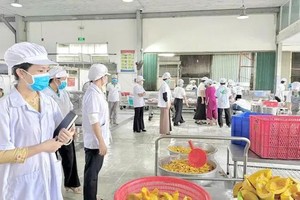
The Department of Education and Training urged the Department of Food Safety to carry out in-depth, rigorous, and on-the-ground inspections. Oversight should go beyond paperwork to include actual hygiene conditions, food preparation, storage, transportation, and delivery procedures. The department also called for a combination of regular and surprise inspections, with particular focus on large-scale suppliers serving multiple schools.
It further recommended strengthening oversight of the entire school meal supply chain, from sourcing of raw materials, preliminary processing and cooking, to sample retention, transportation, and handover at schools. Special attention should be paid to strict compliance with the three-step food inspection process, food sample retention, cross-contamination prevention, and the use of cooking oil, packaging material,s and food-contact utensils.
Upon detecting any signs of food safety violations, the Department of Food Safety was asked to take strict action within its jurisdiction and promptly inform the Department of Education and Training. This would enable coordinated instructions to schools to temporarily suspend the use of the relevant suppliers when necessary, ensuring absolute safety for students.
The education department also emphasized the importance of sharing inspection results and providing updated lists of compliant suppliers, high-risk facilities, and those sanctioned for violations. Such transparency would help schools avoid selecting substandard providers. Overall, food safety controls should be carried out with a preventive approach from the outset, rather than waiting for incidents to occur, to safeguard students’ health and lives.







)