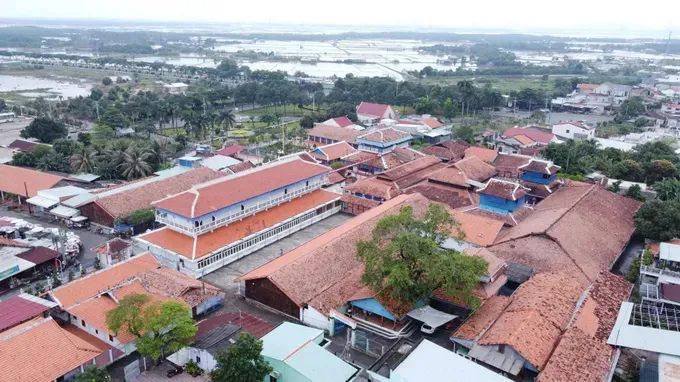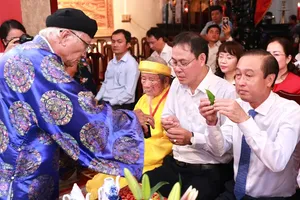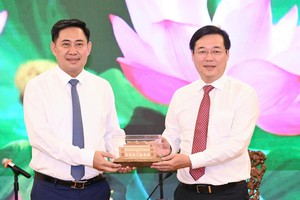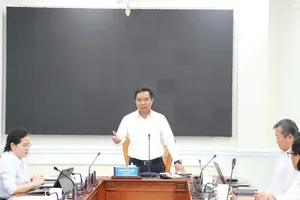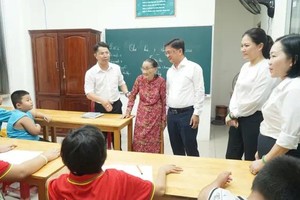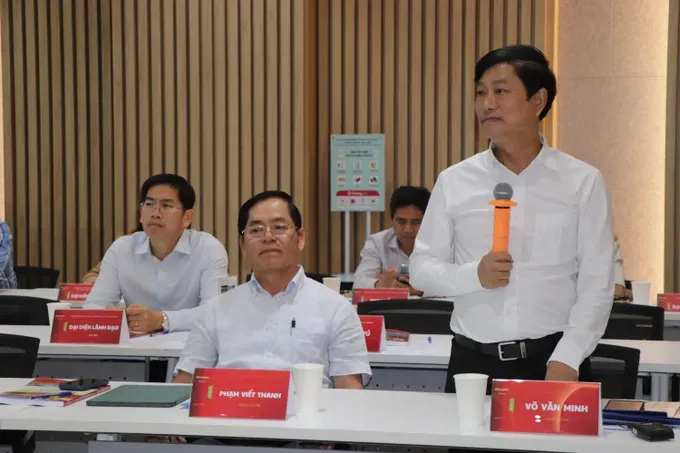
The event was organized by the People’s Committee of Long Son Commune in Ho Chi Minh City in coordination with the Institute of Planning and Construction under the Ho Chi Minh City Department of Planning and Architecture.
The event was attended by Chairman of the Ho Chi Minh City People’s Council Vo Van Minh, Deputy Minister of Construction Nguyen Tuong Van, former Secretary of the Ba Ria–Vung Tau Provincial Party Committee and former Chairman of the provincial People’s Council Pham Viet Thanh, and others.
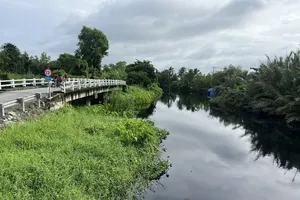
At the workshop, participants focused their discussions on four key areas, including the role and position of Long Son Commune within the structure of the Ho Chi Minh megacity; sustainable economic development linked to local livelihoods; technical and social infrastructure as well as urban governance in the context of administrative mergers; and the preservation of local values, ecological resources, and the foundations for sustainable development.
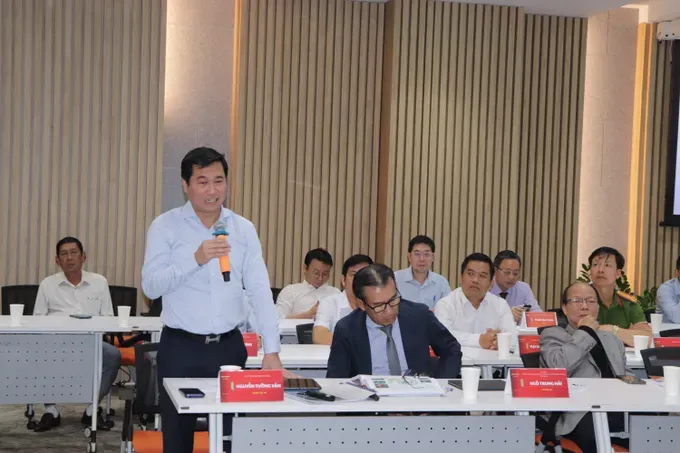
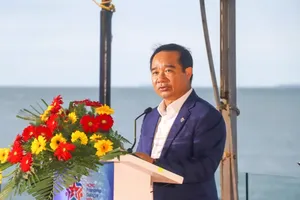
Delivering a keynote address, Chairman of the Ho Chi Minh City People’s Council, Vo Van Minh, underscored Long Son’s strategic importance, noting that the commune occupies a critical gateway position and holds “golden” advantages in trade connectivity, port infrastructure, and the potential for modern industrial development.
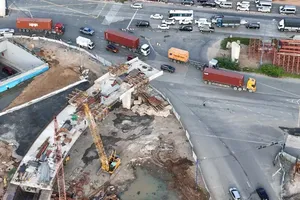
In the new context, as Ho Chi Minh City moves forward with the formulation of its comprehensive master plan under National Assembly Resolution No. 260/2025/QH15, aimed at restructuring urban space while prioritizing digital transformation and green economic development, Long Son Commune must look beyond its existing potential. Instead, it needs to grasp emerging dynamics, identify global development trends and patterns, and clearly define its role and mission within the broader urban framework of Ho Chi Minh City. This would enable the commune to proactively develop scenarios that align with and contribute to the city’s overall development trajectory.
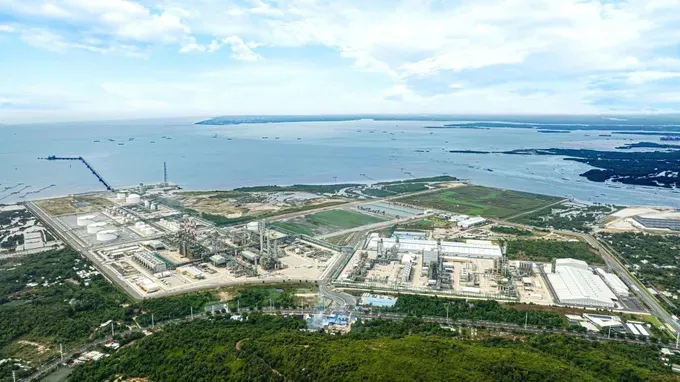
Chairman of the Ho Chi Minh City People’s Council, Vo Van Minh also outlined seven key issues that local authorities should prioritize, including preserving and expanding green spaces without reducing mangrove forest areas; developing the oil and gas industry; promoting high-quality tourism; conserving cultural heritage closely linked to local communities; positioning Long Son as a livable urban area capable of attracting high-quality human resources; and addressing planning challenges related to fisheries logistics ports, seafood processing zones, and waste treatment infrastructure.