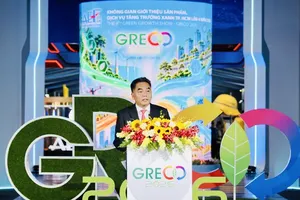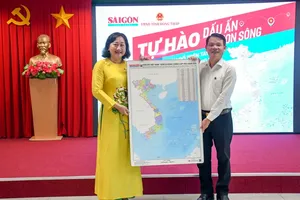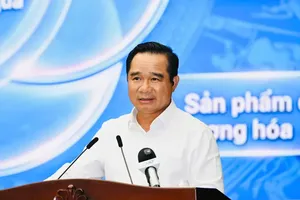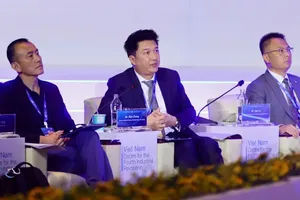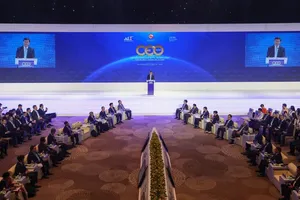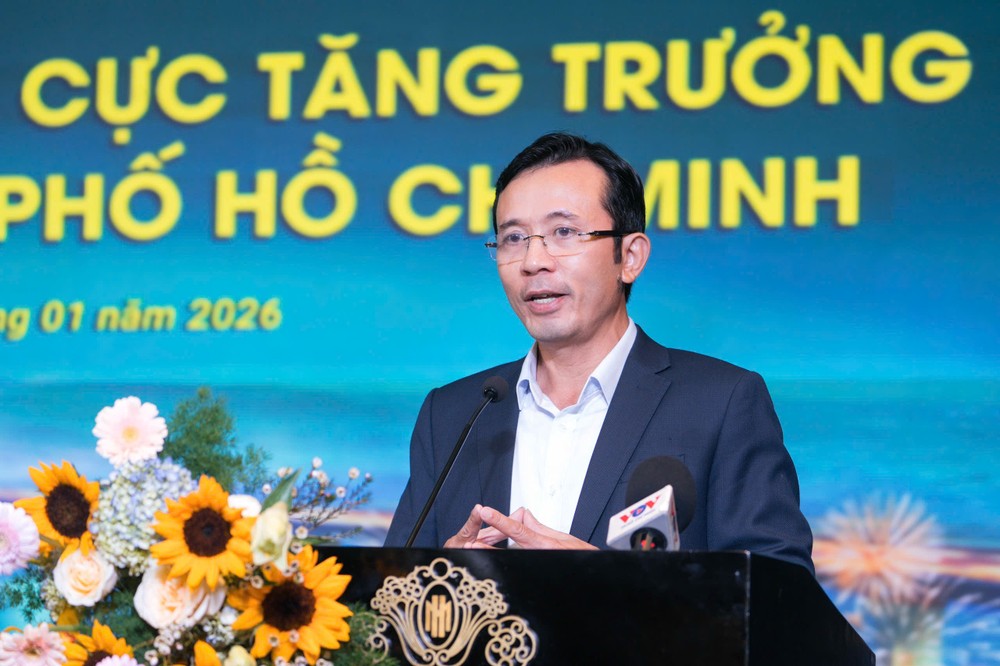
The HCMC Department of Tourism, in coordination with Tuoi Tre Newspaper, held a seminar titled “Developing Can Gio into a New Tourism Growth Pole for HCMC,” bringing together representatives from government agencies, research institutes, and the business community on the afternoon of January 29.
The seminar focused on clarifying development orientations for Can Gio within HCMC’s new development landscape, linking tourism growth with conservation and sustainable livelihoods.
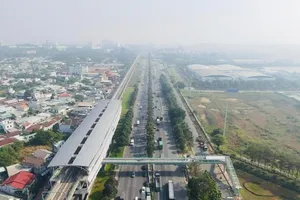
In his opening remarks, Mr. Tran Xuan Toan, Deputy Editor-in-Chief of Tuoi Tre Newspaper, stressed that Can Gio must be positioned within the broader urban and economic development strategy of HCMC. In recent times, several major infrastructure projects—such as the Ben Thanh–Can Gio railway, Can Gio Bridge, and key regional transport links—have been launched, creating the potential to cut travel time from the city center to under 30 minutes. These projects are seen as a critical catalyst for Can Gio’s breakthrough in tourism and services.
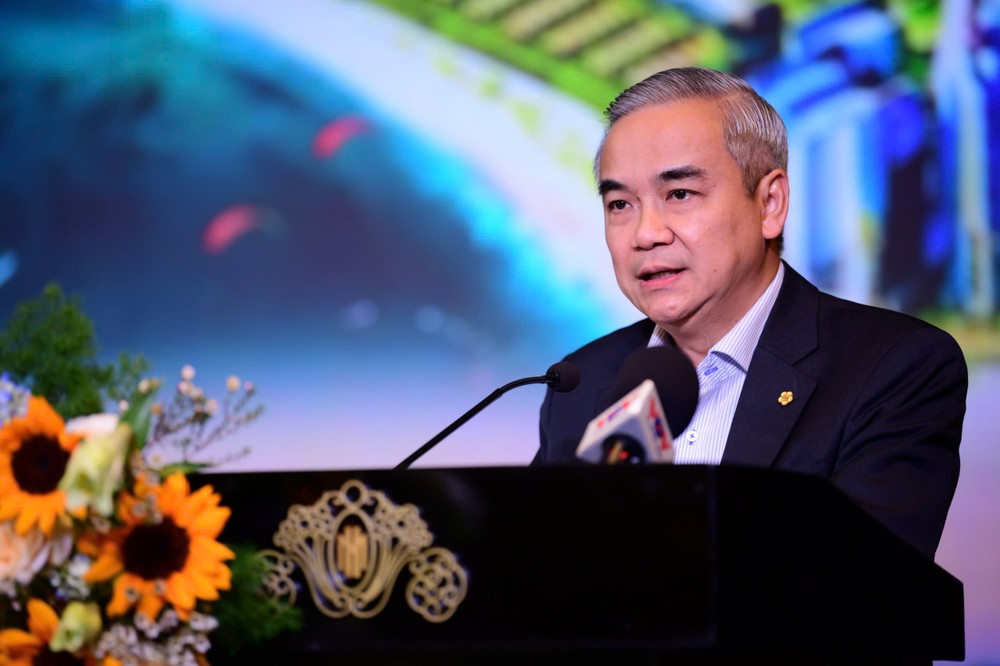
From a business perspective, Mr. Vo Anh Tai, Deputy General Director of Saigontourist Group, said that for Can Gio to truly emerge as a new tourism growth pole, a decisive shift is needed from a mindset of “resource exploitation” to one of “designing a product ecosystem” with a clear structure. Tourism offerings, he argued, cannot remain a collection of isolated tours or services, but must be organized into flagship product lines with distinct identities and long-term competitiveness.
Mr. Vo Anh Tai noted that Can Gio’s outstanding advantage lies in its rare combination of coastline and mangrove forests. This provides a foundation for creating a signature eco-tourism product ecosystem, blending daytime mangrove experiences with nighttime beach resorts, thereby differentiating Can Gio from destinations that are purely coastal or purely ecological. In addition, Can Gio could be positioned as HCMC’s hub for wellness and energy renewal tourism, offering retreats, meditation, yoga, and physical and mental recovery programs for residents of major urban centers.
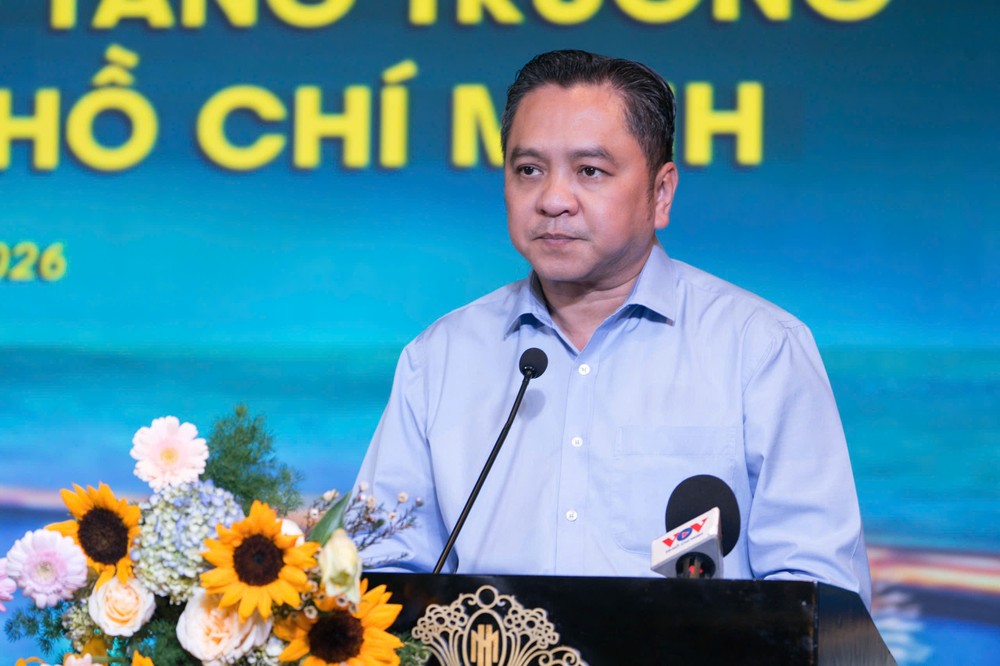
From a regulatory standpoint, Mr. Pham Huy Binh, Director of the HCMC Department of Tourism, emphasized that Can Gio should not pursue a “hot,” rapid-growth model, but instead develop based on its forest–river–sea ecosystem. This approach must be closely aligned with the conservation of the UNESCO-recognized mangrove biosphere reserve and the area’s distinctive fishing village culture. Eco-tourism and community-based tourism models have been identified as key pathways to creating sustainable livelihoods for local residents while laying the groundwork for Can Gio’s long-term development value.
According to the HCMC Department of Tourism, in January 2026, the city welcomed around 1.35 million international visitors and 3.89 million domestic travelers. Total tourism revenue is estimated at VND49.5 trillion, reflecting a marked rise in purchasing power and demand for travel experiences from the beginning of 2026.