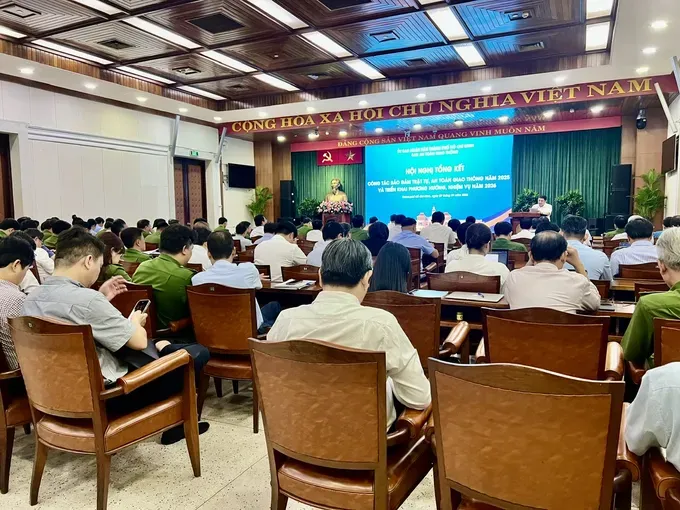
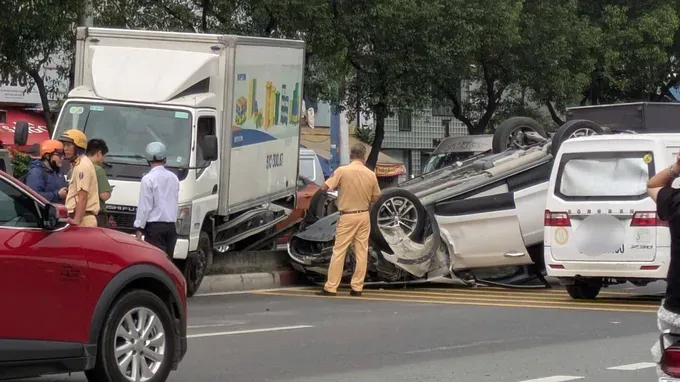
Specifically, a total of 2,106 road traffic accidents were recorded, resulting in 1,039 fatalities and 1,246 injuries. This represents a decrease of 641 cases, or 23 percent; a reduction of 67 deaths, or 6 percent; and 489 fewer injuries, down 28 percent year on year.
On January 29, the Ho Chi Minh City Traffic Safety Committee convened a conference to review efforts to ensure traffic order and safety in 2025 and to outline tasks for 2026. The meeting was held in a hybrid format, combining in-person and online participation, and was attended by Vice Chairman of the Ho Chi Minh City People’s Committee Bui Xuan Cuong, along with leaders from relevant departments, agencies, and local authorities.
Speaking at the conference, Deputy Director of the Department of Construction and Vice Head of the Ho Chi Minh City Traffic Safety Committee, Vo Khanh Hung, said traffic accidents related to alcohol-related violations continued to fall sharply, with 163 cases recorded, resulting in five deaths and 14 injuries. This marked a reduction of 73 percent in the number of accidents, 79 percent in fatalities, and 70 percent in injuries.
Traffic accidents involving school-age students also declined significantly, dropping to 143 cases, which claimed 39 lives and left 73 people injured, nearly half the figures recorded the previous year.
In the railway sector, only one accident was reported in 2025, occurring on the Binh Trieu–Song Than section, resulting in one fatality, down by two accidents and two deaths compared with 2024. Inland waterways recorded three accidents, causing one death; while the number of incidents remained limited, they continued to pose potential safety risks.
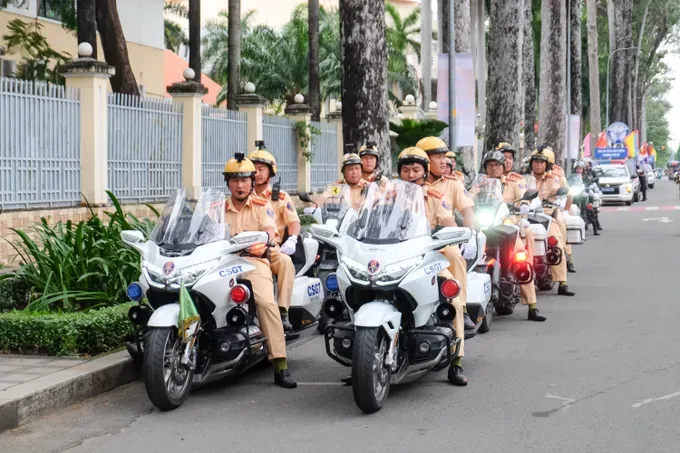
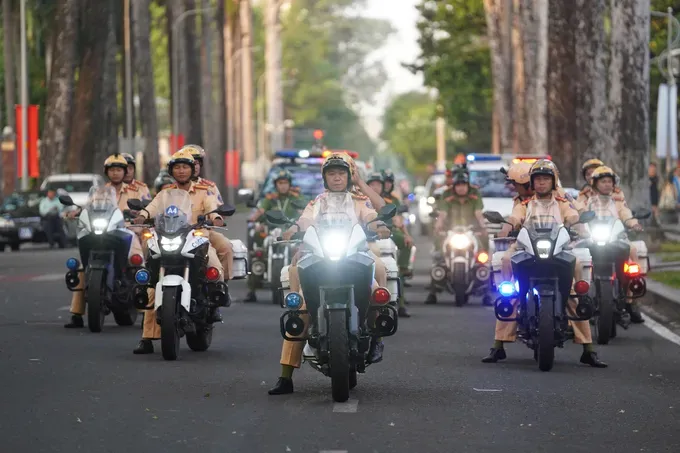
According to the Ho Chi Minh City Department of Public Security, the reduction in traffic accidents has been attributed to intensified deployment of traffic police along complex routes and key areas, particularly during peak hours and public holidays, alongside expanded application of science and technology in traffic management. To date, the city has connected and shared 1,316 surveillance cameras to support monitoring, enforcement, and traffic operations. Pilot smart traffic control systems have been implemented along major streets such as Mai Chi Tho, Pham Van Dong, and Vo Van Kiet, with expansion underway in the Tan Son Nhat airport area.
The transport sector has also upgraded infrastructure, renovating sidewalks along nine routes spanning more than 107 kilometers, establishing six kilometers of dedicated bicycle lanes, and strengthening management of roadways and pavements.
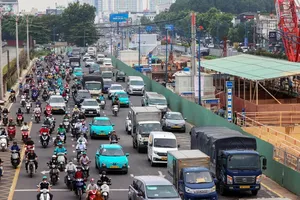
However, traffic congestion remains a cause for concern. In 2025, the city recorded 44 traffic congestion incidents, mainly occurring at gateway routes and key arterial roads. All cases were addressed promptly, with no prolonged disruptions reported.

In 2026, the city will continue to accelerate digital transformation in traffic management, expand the camera network, increase the proportion of traffic signals connected to the central control system, and enhance the effectiveness of automated enforcement. Authorities will also renew approaches to propaganda and legal education on traffic safety while speeding up key transport infrastructure projects, with the aim of building a safer, smoother, and more sustainable urban transport system.
Vice Chairman of the Ho Chi Minh City People’s Committee Bui Xuan Cuong highly appreciated the efforts of departments, agencies, and local authorities, particularly the Ho Chi Minh City Public Security Department, the Department of Construction, and other functional forces in maintaining traffic order and safety, thereby contributing to the reduction in traffic accidents across the city in 2025.
Alongside the achievements, he candidly pointed to a number of persistent shortcomings. Transport infrastructure has yet to keep pace with rapid urbanization, while the encroachment of roadways and pavements for business and trading purposes remains widespread. Public awareness and compliance with traffic laws among some segments of the population also remain limited. In particular, in certain areas, the sense of responsibility and leadership of local party committees, authorities, and heads of agencies in directing and overseeing traffic safety efforts has not been sufficiently decisive or consistent.
In the context of Ho Chi Minh City becoming a megacity following administrative consolidation with a population exceeding 14 million and an enormous number of vehicles, pressure on traffic and urban management continues to mount. The Vice Chairman stressed the need for new thinking, innovative approaches, stronger determination, and concerted action across the entire political system.
Regarding tasks for 2026, he called on the city to remain steadfast in its goal of reducing traffic accidents across all three key indicators, strictly implement traffic safety plans, and tighten management of sidewalks and roadways. Departments, agencies, and local authorities must comprehensively review all relevant regulations to ensure there are no gaps or loopholes in governance while further accelerating the application of technology and digital transformation in traffic monitoring, enforcement, and operations.
Additionally, the city will focus on removing infrastructure bottlenecks and expediting key transport projects, with responsibilities clearly assigned under the “six clear” principle: clear personnel, clear tasks, clear accountability, clear timelines, clear outcomes, and clear financial resources, to restore order and discipline in the management of roadways and pavements and ensure sustainable traffic safety.