Cultural wellsprings merging into everyday life
On a mid-May afternoon in Binh Trung Ward’s Nguyen Tu Nghiem Park, folks slowly paused in front of framed portraits of late State President Ho Chi Minh. The sound of playing children intertwined with chatting adults, cultivating a vibrant, bustling atmosphere.
A middle-aged man explained to his attentive young son the arduous journey that Uncle Ho embarked upon to save the nation. Within this Ho Chi Minh Cultural Space, picture frames are strategically placed along walkways amidst lush greenery, so that residents can effortlessly absorb stories during a stroll. The historical documents, arranged chronologically and infused with Southern cultural imagery, are incredibly memorable.
For Nguyen Thi An, visiting the park for afternoon exercise is a daily ritual. Initially drawn by the cool, green space, she eventually began reading introductions and examining photographs of Uncle Ho’s life. She notes that the environment effortlessly generates natural solemnity. “Sometimes you’re fuming over something, but the moment you step in here, your heart naturally settles down; no one has the heart to utter harsh words,” she concluded.
It appears the Ho Chi Minh Cultural Space across the city is progressively shifting its approach. Instead of a stiffly formal atmosphere, many locations are blending into daily life, allowing citizens to organically absorb these values, with school spaces designed to empower students to proactively explore the history.
Within state agencies, embedding exhibits at headquarters helps civil servants maintain exposure, acting as a gentle reminder to uphold professional attitude. Meanwhile, at armed forces units or religious establishments, displays are tailored to perfectly suit each environment.
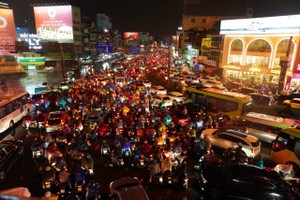
For Dr Nguyen Thi Viet Ha, a lecturer on Ho Chi Minh’s Ideology at Saigon University, HCMC is continuously under strain regarding population and communal behavior. Relying exclusively on strict administrative mandates makes tackling social issues incredibly difficult. Cultivating behavioral habits should therefore become a priority.
“When core values like responsibility, strict discipline, and a community-driven philosophy are continuously reinforced through relatable, everyday actions, citizens will gradually transform their cognitive awareness and subsequent behaviors,” she said, adding that this very shift manifests through unconditional acts of sharing.
Measuring value through ordinary deeds
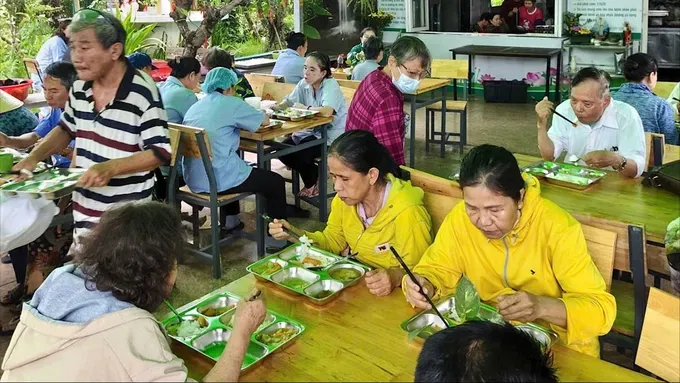
Routinely traveling up every two weeks for his kidney failure check-ups, Nguyen Van Nhan from Dong Nai City always makes a point to drop by the “Happy Canteen” at Le Van Thinh Hospital in Binh Trung Ward of HCMC to grab lunch before heading home. This comforting routine has been going strong for nearly two years.
After receiving his meal portion, Mr. Nhan typically seeks out a familiar corner beneath the tree canopy and slowly enjoys his food. “Everyone who comes here is greeted with the exact same warmth. Every time I come up for a follow-up, I swing by here to eat and rest a bit before hitting the road,” he shared.
Across HCMC, zero-dong charity kitchens and community markets are popping up in numerous locations. For instance, the one in Lai Thieu Ward keeps its fires burning weekly, handing out hundreds of meals to struggling patients and hard-hit laborers at Thuan An Regional Medical Center. The Binh Trung Ward one has remained operational for 15 solid years, helping countless residents weather tough times.
Sometimes, compassion is as simple as a free bread cabinet, a complimentary iced tea dispenser, or a quiet vegetarian noodle stand dispensing meals to the utterly destitute.
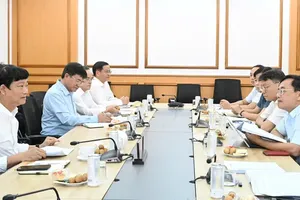
Not stopping at interpersonal sharing, this philosophy has infused workplace culture, fundamentally overhauling the dynamic between government and citizens. On a weekend morning in Ben Cat Ward, small tables were set up to host a “Morning Coffee – Dialogue with the People” program.
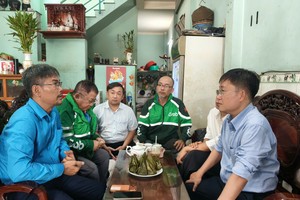
Local resident Nguyen Thi Xich brought grievances about a severely deteriorating dirt road, explaining to officials that after heavy downpours, the flooded street endangers schoolchildren and the elderly. In response, a Ward People’s Committee representative provided transparent updates regarding a comprehensive upgrade scheduled for 2026. By the following week, a detailed written response was dispatched, leaving locals vastly more at ease.
Looking back at the era of the Covid-19 global pandemic, this spirit of sharing undeniably helped HCMC weather its darkest hours. Initiatives like “Zero-Dong Kitchens” and volunteer efforts swiftly became rock-solid lifelines. These values were painstakingly cultivated through everyday actions and communal responsibility.
Therefore, despite cynical voices, reality proves the Ho Chi Minh Cultural Space isn’t superficial. Ultimately, it decisively shapes this compassionate character, translating His ideology into voluntary actions and shielding the public’s faith against toxic streams of misinformation.
Compassion forges distinctive character
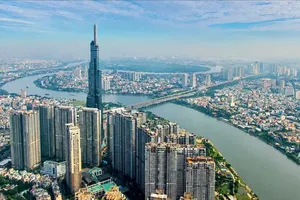
Amidst the frantic pace of a sprawling metropolis boasting 15 million residents, HCMC still preserves a unique undercurrent of pure compassion. Whenever natural disasters or epidemics strike, HCMC is consistently among the first to extend a helping hand. From fleets packed with necessities heading Central during flood seasons, to massive fundraising for Northern residents and welfare programs for remote areas, these efforts have seamlessly become a familiar part of life in the city bearing Uncle Ho’s name.
This sharing spirit isn’t merely the byproduct of mobilization campaigns; it has progressively evolved into a natural behavioral reflex. In HCMC, compassion rears its head through minute gestures, whether it’s a hot meal for a struggling laborer, a free ride for a destitute patient, or a silent donation drive. Residents may be consumed by the daily grind, but when support is needed, hands are instantly ready to pitch in.
At its core, this embodies Ho Chi Minh’s ideology deeply seeping into the community. Consequently, amidst colossal developmental pressures, HCMC miraculously retains the stunningly unique charm of a deeply compassionate city.
To date, the city’s entire jurisdiction houses over 5,800 Ho Chi Minh Cultural Space models firmly embedded within various cultural, educational, religious, and corporate institutions, as well as sprawling public areas.
To further encourage this, the city is relentlessly continuing to expand the footprint of the Ho Chi Minh Cultural Space, prominently highlighted by the ambitious project to completely renovate and enlarge the HCMC branch of the Ho Chi Minh Museum stationed at Nha Rong – Khanh Hoi Port.