The initiative aims to integrate DNA data from martyrs' remains and their relatives into the national identity database, following directives from the National Steering Committee on the search, recovery and identification of unidentified martyrs' remains.
The plan also reinforces the Party and State's commitment to identifying unnamed martyrs as a long-term national mission and a shared responsibility of society, honoring those who sacrificed for the country's independence, freedom and sovereignty.
Ho Chi Minh City will accelerate the development of the national databases on people with meritorious services and martyrs by reviewing, verifying and updating information on martyrs' relatives to improve the accuracy and completeness of the national population database.
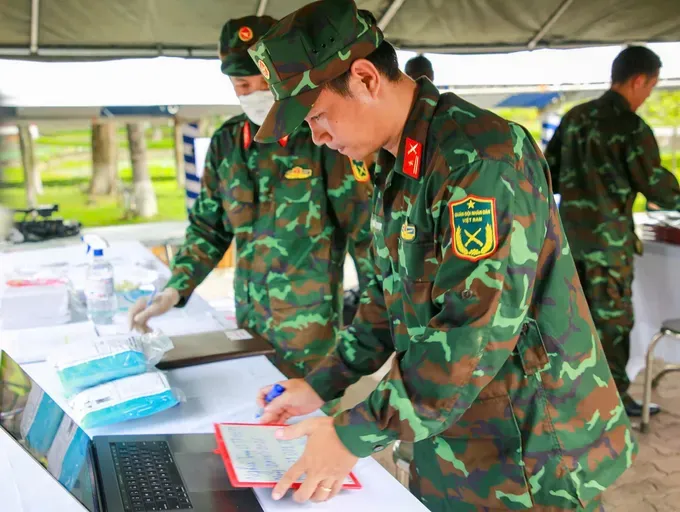
The city views DNA collection as part of the implementation of Project 06, laying the scientific foundation for biometric matching and the identification of unidentified martyrs and their relatives through the integration of DNA data with the national identity database.
The plan requires close coordination among departments and local authorities to ensure effective implementation and avoid waste.
Priority will be given to verifying maternal-line relatives of unidentified martyrs. DNA samples will be collected from eligible relatives in accordance with established procedures, with special arrangements for elderly and mobility-impaired participants.
The program will cover relatives of martyrs whose records are managed by Ho Chi Minh City, including cases in which the martyrs' remains have not been found or graves exist without remains.
The review and data update phase is scheduled for completion by July 27, 2026, while DNA sample collection is expected to begin afterward according to a timetable issued by the Department of Administrative Management for Social Order under the Ministry of Public Security.