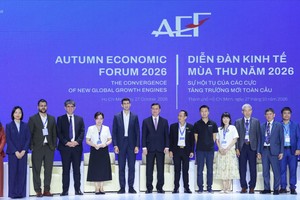
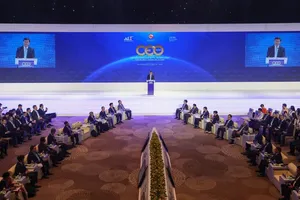
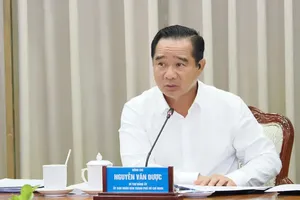
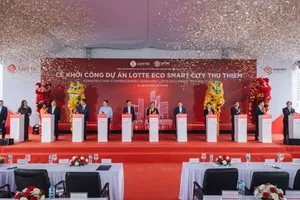
Among attendees were Mr. Tran Luu Quang, Secretary of the Party Central Committee and Secretary of the Ho Chi Minh City Party Committee; Mr. Nguyen Van Duoc, Member of the Party Central Committee and Chairman of the Ho Chi Minh City People’s Committee; Mr. Nguyen Loc Ha, Standing Vice Chairman of the Ho Chi Minh City People’s Committee; Mr. Nguyen Van Tho, Vice Chairman of the Ho Chi Minh City People’s Council; along with leaders of departments, agencies, communes, wards and special administrative units.
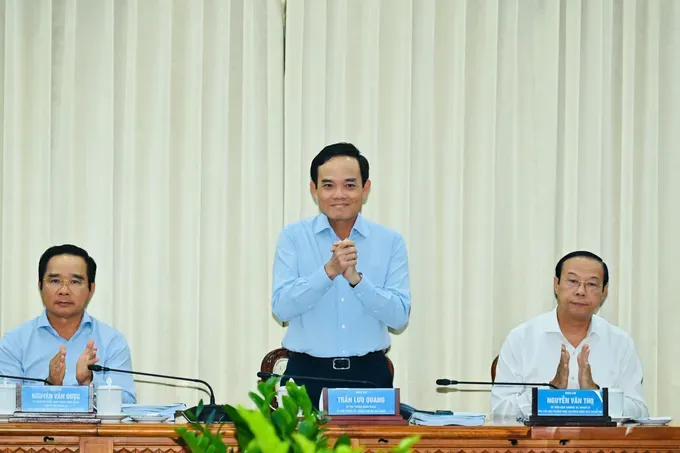
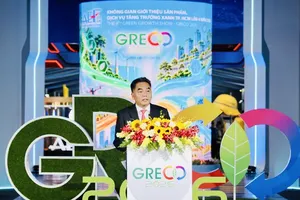
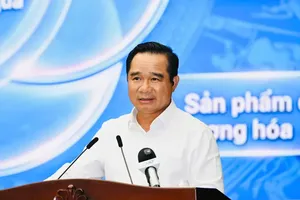
In his opening remarks, Chairman of the Ho Chi Minh City People’s Committee Nguyen Van Duoc said that in 2025, the city faced many intertwined challenges and opportunities. Despite these difficulties, the city achieved notable results, with GRDP growth reaching 8.03 percent. The investment environment continued to improve, attracting both domestic and foreign investors to expand their operations, while the city’s increasingly modern urban landscape drew more domestic and international visitors.
The year 2025 was significant as Ho Chi Minh City began operating as a mega-city following administrative mergers and hosted major political and historical events, recording positive results with guidance from central authorities and support from residents and businesses.
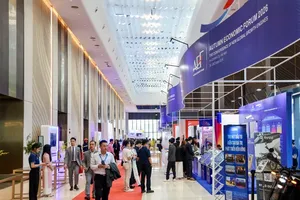
The city’s economy continued to serve as a key national growth driver, with GRDP increasing 8.03 percent. Total state budget revenue exceeded VND800 trillion (US$30.4 billion), surpassing estimates, while domestic revenue rose by more than 26 percent. Nearly 60,000 new enterprises were established, with total registered and additional capital exceeding VND2 quadrillion (US$75 billion). Foreign direct investment reached over US$8.1 billion, marking an increase of more than 21 percent year on year.
The trade and services sector remained a key growth driver, with total retail sales of goods and services revenue estimated at nearly VND2 quadrillion (US$75 billion), up 15.5 percent. Export turnover reached approximately US$95.8 billion. Tourism rebounded strongly, generating revenue of VND260 trillion (US$9.9 billion), up more than 36 percent, welcoming 8.5 million international visitors and around 45 million domestic tourists.
Industrial activity showed positive momentum, with the industrial production index rising 8.9 percent, while the digital economy accounted for about 25 percent of GRDP. The financial and banking system remained stable, with total outstanding credit exceeding VND5 quadrillion (US$190 billion), up more than 13 percent. The stock market performed strongly, with the VN-Index rising nearly 30 percent and market capitalization surpassing VND7.2 quadrillion (approximately US$273 billion).
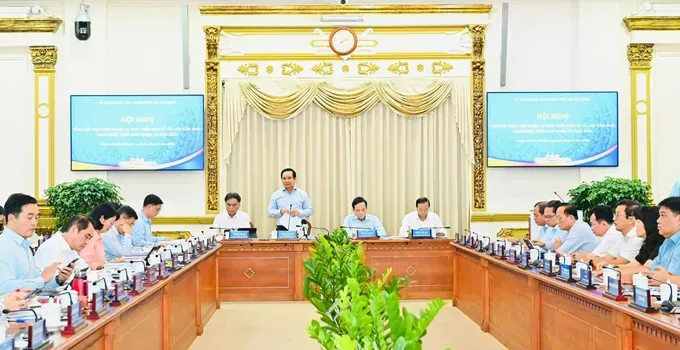
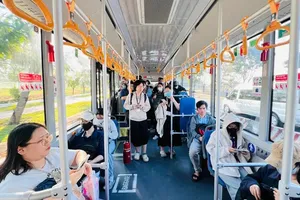
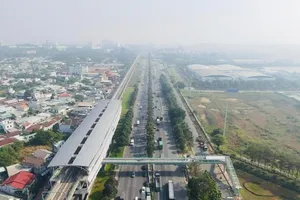
The city also prioritized removing bottlenecks facing stalled projects and accelerating decentralization and delegation of authority. Many key projects were launched or prepared for implementation during the 2026 period. Metro Line No. 1 (Ben Thanh- Suoi Tien) officially entered operation, contributing to the development of public transport. Social housing and urban renovation projects continued, helping improve residents’ quality of life.
In addition, Ho Chi Minh City successfully hosted numerous major national and international events. The health and education sectors accelerated digital transformation, while the innovation ecosystem gradually took shape. External relations were expanded in a more substantive direction, with a focus on economic diplomacy, attracting high-tech investment, digital transformation, and green growth, while ensuring social welfare, national defense and security, and public order and safety.
Key bottlenecks require focused solutions
Chairman of the municipal People’s Committee Nguyen Van Duoc admitted that the city still faces significant socio-economic challenges, with public investment disbursement reaching only about 70 percent due largely to slow land clearance. Environmental pollution, traffic congestion and flooding remain ongoing concerns.
In 2026, Ho Chi Minh City will implement numerous large-scale projects across both the public and private sectors, requiring stronger determination and greater effort to ensure progress and quality.
The year 2026 must be a year that creates strong momentum for the successful implementation of the Resolution of the first Congress of the Ho Chi Minh City Party Committee for the 2025–2030 term.
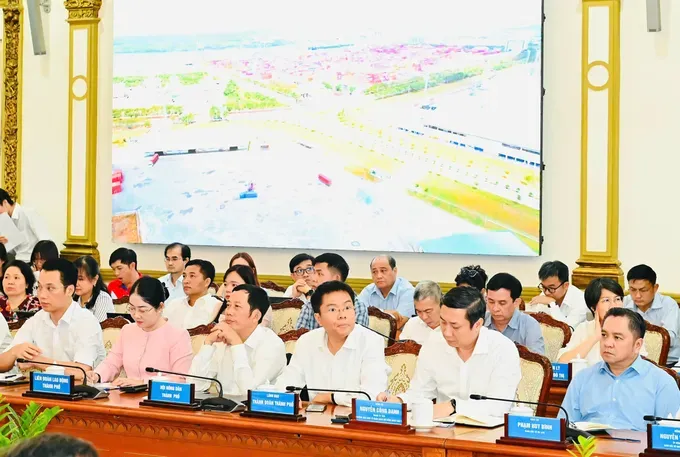
The city has identified a theme focused on continuing organizational streamlining; enhancing the effectiveness and efficiency of state management; creating breakthroughs in institutions, infrastructure and digital transformation; improving service quality for residents and enterprises; and striving for fast, sustainable development while maintaining its role as the nation’s economic locomotive, Chairman Nguyen Van Duoc emphasized.