stayed before leaving to seek a path for national salvation" at 5 Chau Van Liem Street in Cho Lon, Ho Chi Minh City (Photo: Binh An)")
More than five decades after national reunification, sites associated with President Ho Chi Minh across Ho Chi Minh City continue to draw a steady stream of visitors. From Nha Rong Wharf and the house at 5 Chau Van Liem Street in Cho Lon Ward to cultural spaces embedded in the heart of the metropolis, memories of the late leader are preserved not only through artifacts and historical documents, but also through the pride, affection, and way of life passed down across generations in the city bearing his name. Amid the pace of modern urban life, those values continue to resonate as an enduring source of inspiration.
A small house in the heart of Cho Lon
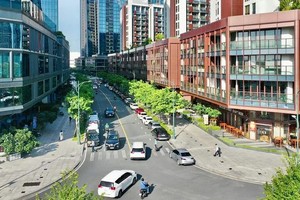
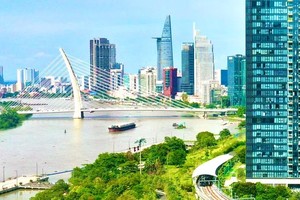
Amid the rapid transformation of a dynamic megacity, the historic house at 5 Chau Van Liem Street stands as a poignant landmark. The contrast between brightly decorated streets and glass-covered high-rises, and the modest residence tucked within bustling Cho Lon creates a striking emotional effect. More than a site preserving timeworn artifacts, the house vividly recreates the aspirations and determination of young Nguyen Tat Thanh before he departed from Nha Rong Wharf on his journey to seek a path for national salvation. Its symbolic significance continues to connect generations.
Nguyen Thi Tram Anh, a guide at the site, said visitors arrive every week, with peak numbers during April, May, and major national holidays. Many first-time visitors are surprised by how small and simple the place where Ho Chi Minh once stayed actually is.
“Some students keep asking me, ‘Did Uncle Ho really live here?’” she said. “Some elderly veterans fall silent the moment they walk in, their eyes turning red as they look at the old photographs. They are moved when recalling the sacrifices of earlier generations and gain an even deeper appreciation for the path he chose for the nation.”
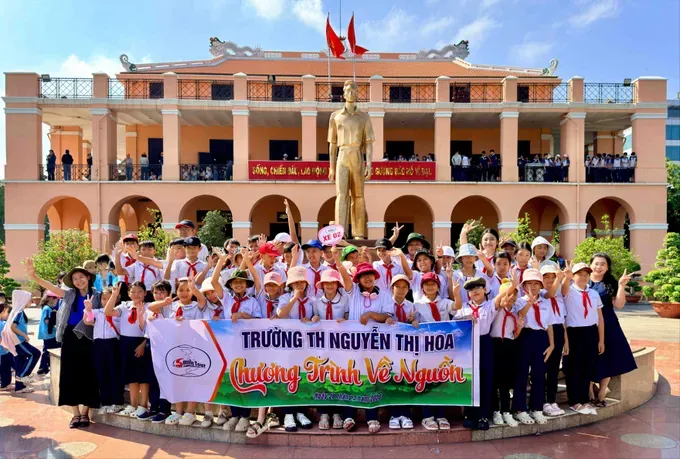
The Ho Chi Minh Museum – Ho Chi Minh City Branch at Nha Rong Wharf has evolved beyond a historical attraction into a center for fostering revolutionary ideals among younger generations. The steady presence of student groups reflects a growing desire among young people to reconnect with their roots and define their own values through the lens of national history.
Nguyen Minh Anh, a university student in Ho Chi Minh City, said that although she had read extensively about Ho Chi Minh’s revolutionary life, standing at Nha Rong Wharf evoked a completely different feeling.
“History here is no longer just numbers or textbook lines,” she said. “It becomes real through the riverside, the roof, the courtyard, and through imagining the journey undertaken more than a century ago to seek a way to save the country.”
The historic wharf, where Nguyen Tat Thanh departed on June 5, 1911, now serves as a vivid lesson in courage and aspiration. For many members of Generation Z, the decision made by the 21-year-old patriot offers a reference point for reflecting on personal pressures and choices in today’s world.
“I realized that youth is not only about searching for opportunities for oneself, but also about finding an ideal that helps us live more responsibly,” Minh Anh said.
Luu Thi Tuyet Trinh, Director of the Ho Chi Minh Museum – Ho Chi Minh City Branch, said many young visitors no longer see the museum merely as a place for entertainment or social media check-ins, but as a destination to reconnect with history and personally experience cultural and historical values preserved over time.
According to Trinh, the emotional power of Nha Rong Wharf lies not only in its status as a major historical site and a Grade I museum within Vietnam’s museum system, but more profoundly in its role as the starting point of Ho Chi Minh’s historic journey to seek national independence.
“Today, Nha Rong Wharf has become a vibrant Ho Chi Minh Cultural Space,” she said. “We strive every day to ensure that through each artifact, image, and document, the legacy of President Ho Chi Minh continues to spread, allowing this place to remain a sacred bridge connecting generations of Vietnamese people with the beloved leader of the nation.”
Heritage preservation as a pillar of urban development
At a citywide conference on cultural heritage and the implementation of the Ho Chi Minh City Party Congress Resolution for the 2025–2030 term, Director Tran The Thuan of the city’s Department of Culture and Sports, emphasized that following administrative consolidation, Ho Chi Minh City has become a new megacity encompassing the historical and cultural space stretching from Sai Gon–Gia Dinh to today, alongside Binh Duong’s industrial-service system and the maritime culture of Ba Ria–Vung Tau.
He said this convergence creates an urgent need to restructure heritage preservation strategies to both safeguard traditional values and transform heritage into a key resource for sustainable development and internationally recognized urban identity.
According to Director Tran The Thuan, development must go hand in hand with preservation. Ho Chi Minh City will not trade heritage for growth; moreover, heritage itself is invaluable capital for building the future.
City authorities have identified the preservation and promotion of tangible and intangible cultural heritage linked to revolutionary history and President Ho Chi Minh as a core task in developing the Ho Chi Minh Cultural Space initiative.
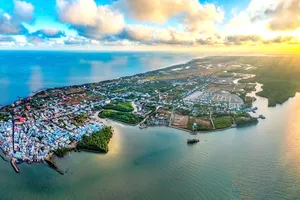
Ho Chi Minh City plans to prioritize investment in major historical sites including the Cu Chi Tunnels, the Con Dao prison relic complex, and Loc An Wharf on the Ho Chi Minh Sea Trail. At the same time, the Ho Chi Minh Museum – Ho Chi Minh City Branch will continue to be upgraded and expanded, with modernized exhibitions, digital transformation, and integrated online data systems.
Particular emphasis will be placed on standardizing and diversifying Ho Chi Minh Cultural Space models in both physical and digital forms, while applying information technology and digital transformation across Party organizations, residential communities, schools, hospitals, agencies, and businesses.


)