By leveraging institutional reforms and expanded development space, the city can become a regional hub for finance, innovation and high-quality living, creating a new growth engine for Vietnam.
A global city is defined by several core pillars. These include a strong financial and high-end services sector, an international logistics and transport hub deeply integrated into global supply chains, a vibrant innovation ecosystem connecting universities, research centers, and technology firms and strong cultural appeal with a high quality of life.
HCMC already possesses many of these advantages, reinforced by innovation zones, the hi-tech park and plans for an international financial center.
Its greatest opportunity lies in restructuring the regional urban model after the merge with Binh Duong and Ba Ria-Vung Tau, allowing for new growth poles, integrated logistics and stronger regional competitiveness.
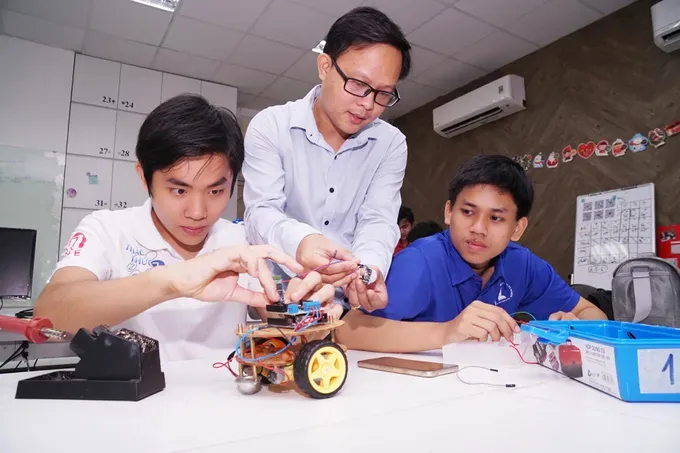
However, the city faces bottlenecks from an outdated growth model, infrastructure gaps and institutional limitations. To break through, Ho Chi Minh City must shift toward innovation-led growth, higher value creation and a mega-regional urban structure, as well as make full use of the expanded autonomy under the amended Resolution 98.
Developing an international financial center, modern logistics hubs and a livable, green urban environment will be key. If successful, Ho Chi Minh City will not only strengthen its own position but also play a decisive role in elevating Vietnam’s standing in the global economy.



)