As ministries and localities move to achieve double-digit growth, plans are being developed to mobilize new resources and better leverage sector-specific strengths.
New momentum from duty-free shopping centers
At a March 27 meeting with a Ministry of Industry and Trade delegation on growth strategies for the 2026–2030 period, the Ho Chi Minh City Department of Industry and Trade highlighted a plan to restructure the economy around two pillars including high-tech industry and trade–services, with services positioned as the main growth driver.
The department noted that the city currently hosts 66 industrial and export processing zones and 25 industrial clusters, forming a large-scale production base with strong supply chain linkages. The industrial structure is shifting toward higher value-added sectors such as semiconductors, medical equipment, and biotechnology. In the first quarter of 2026, the industrial production index (IIP) is estimated to have risen 11 percent, with all four key sectors growing by more than 10 percent.
Director Bui Ta Hoang Vu said the city is considering pilot duty-free shopping centers not only at airports but also at locations with high concentrations of international visitors. The aim is to boost tourism spending and enhance competitiveness with regional destinations. The department also proposed establishing commodity exchanges for essential, large-scale markets such as pork and coffee to improve transparency, standardize pricing and quality, and reduce intermediaries.
Deputy Minister of Industry and Trade Phan Thi Thang welcomed the proposals, noting the city’s strengths in retail and industrial capacity. However, she emphasized that implementation must be carefully calibrated to ensure regulatory compliance and practical effectiveness. Alongside new development models, the city should proactively develop energy scenarios to meet rising demand.
Hotlines to support businesses
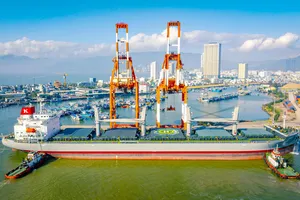
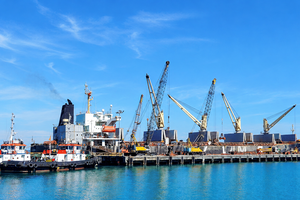
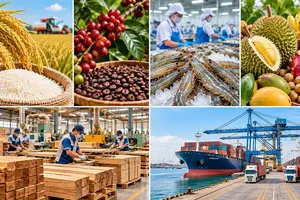
The Ministry of Agriculture and Environment said it has developed response scenarios to address potential economic impacts from conflicts in the Middle East, alongside plans to maintain sector growth in 2026 and the 2026–2030 period. The focus is on early identification of risks such as supply chain disruptions, rising logistics costs, and higher input prices, with measures to stabilize production and sustain exports.
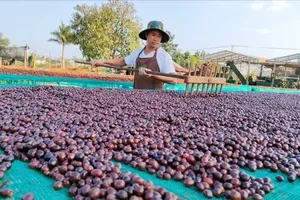
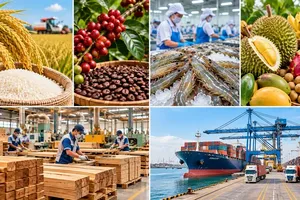
Three scenarios have been outlined, based on conflict durations of one month, three months, and one year, each with varying impacts on agricultural, forestry, and fisheries exports. Short-term measures prioritize stabilizing input costs and supporting businesses through credit access, storage, logistics, and early risk warnings. The sector’s growth target for 2026 is projected at 3.7 percent–4 percent.
Long-term solutions focus on restructuring the sector, expanding markets, accelerating digital transformation, strengthening logistics capacity, and improving production self-reliance. Immediate proposals include setting up business support hotlines, establishing early warning systems for logistics and payment risks, and offering debt rescheduling, storage support, and tax reductions on selected inputs. The ministry also proposed lowering short-term lending rates for exporters and launching a national agricultural commodity exchange, along with an estimated VND150 trillion credit package for the forestry and fisheries sectors at interest rates 1 percent–2 percent below market levels.
The Ministry of Industry and Trade added that it has directed agencies to assess impacts and implement measures to mitigate risks to production and trade activities, with a focus on diversifying export markets.
According to the assessment by the Ministry of Agriculture and Environment, agricultural production costs may rise by approximately 3 percent-5 percent due to increased oil prices, which in turn elevate transportation and input material costs. Certain types of fertilizers in the global market could see an increase of 5 percent-15 percent, while feed for livestock may rise by 1.5 percent-2 percent. Meanwhile, maritime freight rates have surged by 25 percent-35 percent, and the shipping duration has extended by an additional 7-14 days, thereby diminishing the competitiveness of exported goods, particularly fresh produce.