On May 10, fresh coconut vendors across several wards in Ho Chi Minh City reported a sharp increase in customer demand.
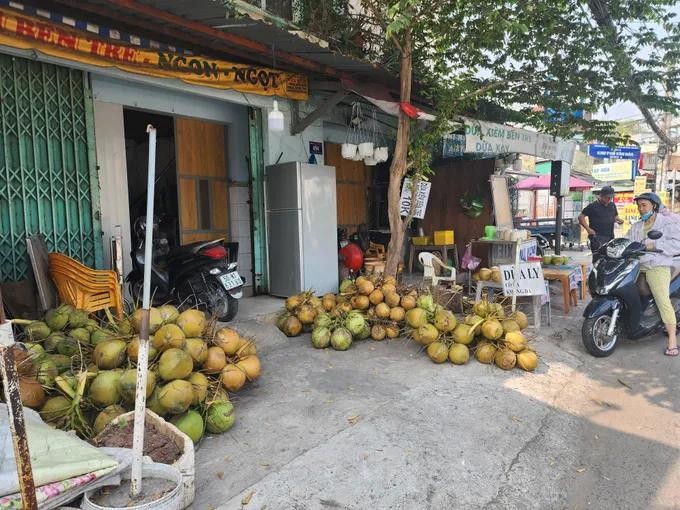
Le Ngoc Ha, owner of a fresh coconut stall near the Thu Duc agricultural wholesale market in Tam Binh Ward, said whole red Siam coconuts are currently selling for VND14,000 each for smaller sizes and VND17,000 each for larger ones, up about VND3,000 per fruit compared with late April.
Prices of trimmed coconuts have also risen across the board. Coconuts weighing under 300 grams now sell for around VND15,000 each, those between 300 and 400 grams cost about VND18,000, while coconuts weighing more than 400 grams are priced from VND20,000 each, an average increase of roughly VND2,000 per fruit.
At retail coconut stalls in Vuon Lai, An Nhon, Binh Thanh, Hiep Binh, Hanh Thong, Thong Tay Hoi and Thoi An wards, prices for Siam coconuts have increased by around VND3,000-VND5,000 compared with previous weeks.
In Dong Thap and Vinh Long provinces, farm-gate prices for fresh coconuts have surged two to three times compared with two months ago. Grade-1 green Siam coconuts are currently priced at VND130,000-VND140,000 per dozen, while red Siam and hybrid coconuts range from VND110,000-VND120,000 per dozen. Previously, prices were only around VND35,000-VND40,000 per dozen.
Traders said prolonged dry weather has reduced coconut yields, while demand has risen sharply, creating a supply shortage that has pushed prices steadily higher since mid-April 2026. In addition, stronger exports of fresh coconuts and coconut products have helped maintain high price levels.
Chairman Nguyen Dinh Tung of Vina T&T Group, a leading exporter of fresh fruit in Ho Chi Minh City, said 2026 marks a turning point for Vietnam’s coconut industry following the completion of export requirements.
According to the Chairman of Vina T&T Group, markets such as China, the United States and the European Union are increasing demand for Vietnamese fresh coconuts. The product is highly valued for its distinctive flavor and alignment with consumer trends favoring plant-based foods. Official export channels have also helped stabilize the market, reduce risks and support higher coconut prices.
Cao Ba Dang Khoa, secretary general of the Vietnam Coconut Association, said the price surge stems from multiple factors. External influences such as seasonal conditions, extreme heat and supply disruptions linked to tensions in the Middle East have contributed to higher export prices, though these factors account for only about 5 percent of the increase.
The main driver, representing 90 percent-95 percent of export price growth, comes from businesses’ efforts to standardize cultivation areas, ensure product consistency and maintain strict quality control standards, Khoa said.
To ensure sustainable development of the coconut industry, he stressed that businesses need long-term investment strategies and should proactively cooperate with farmers through purchase agreements signed from the beginning of cultivation to ensure compliance with export standards.