The MoIT said it is working urgently to support Vietnamese companies in resolving a bottleneck involving nearly 500 containers of tea stranded at Karachi Port in Pakistan, a situation that has caused heavy losses to exporters and directly affected tea growers at home.
According to reports from the Vietnam Trade Office in Pakistan and the Vietnamese Embassy, the disruption stems mainly from a breakdown in overland transport between Pakistan and Afghanistan, as Pakistan has introduced new controls on transit cargo. Most Vietnamese tea shipments to Afghanistan are routed via transshipment through Karachi, leaving them particularly exposed to the disruption.
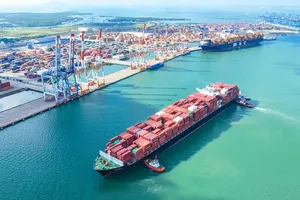
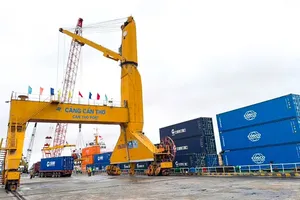
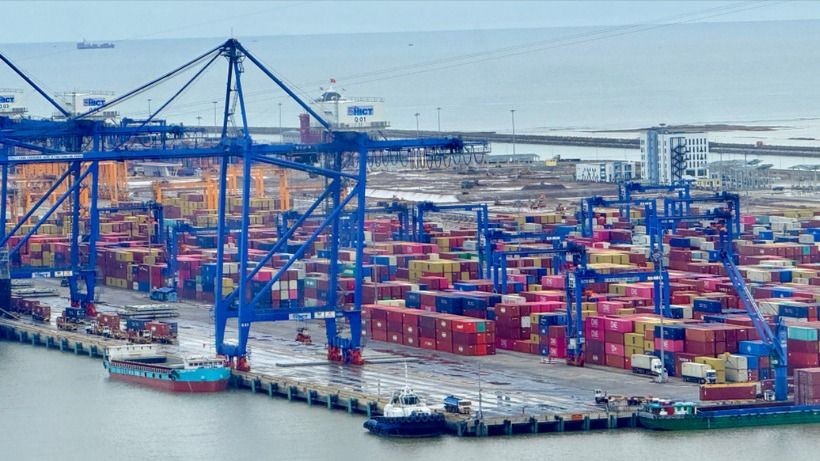
At present, Karachi Port is congested with around 11,000 containers awaiting transit to Afghanistan, alongside some 25,000 import containers and 15,000 export containers belonging to Pakistan that cannot be cleared. The backlog has been exacerbated by a suspension of operations by transport associations protesting new penalty regimes targeting vehicles and drivers. As a result, Vietnamese exporters are facing soaring container detention and storage fees, heightened risks of cargo deterioration, and mounting pressure on cash flow, bank repayments, and the livelihoods of tea farmers.
In response, the MoIT has instructed the Vietnam Trade Office in Pakistan to engage directly with port authorities, customs agencies, and relevant stakeholders to seek special solutions for Vietnamese tea shipments. The ministry is also coordinating with the Ministry of Foreign Affairs and the Vietnamese Embassy to send diplomatic notes to Pakistani authorities, urging flexibility and facilitation in handling the affected consignments.
The Vietnamese Embassy in Pakistan has additionally held working sessions with Pakistan’s Ministry of Commerce, including the deputy minister overseeing Afghanistan and Central Asia affairs, to request that transit suspension measures not be applied rigidly. The aim, officials said, is to safeguard the legitimate interests of Vietnamese businesses while preserving and strengthening bilateral economic and trade cooperation between the two countries.