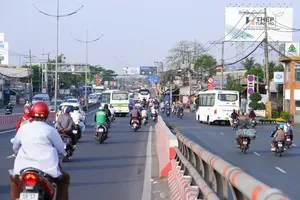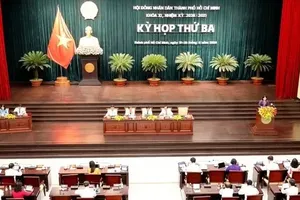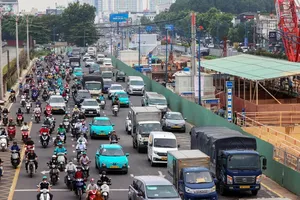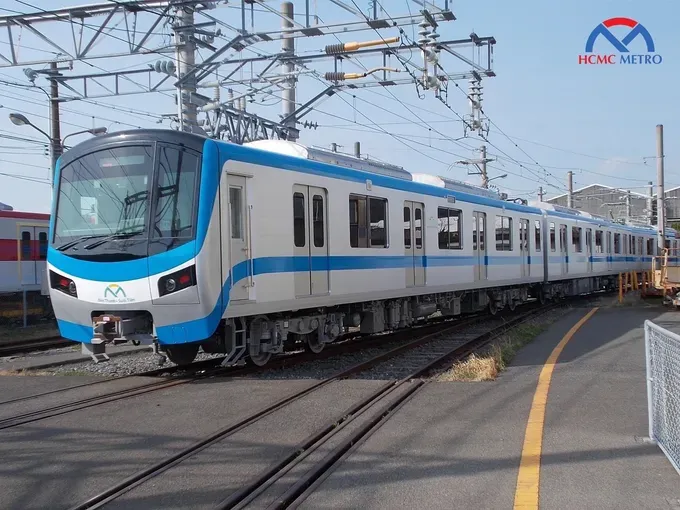
The Standing Committee of the Ho Chi Minh City Party Committee has issued Resolution No. 06-NQ/TU on the leadership and guidance for implementing National Assembly Resolution No. 188/2025/QH15, which pertains to piloting certain special mechanisms and policies, particularly aimed at developing the urban railway networks in Ho Chi Minh City and Hanoi. The resolution identifies this initiative as a key political task with strategic significance for the city’s development in the new period.
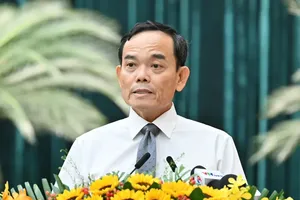
The resolution was signed by Secretary of the Ho Chi Minh City Party Committee Tran Luu Quang. Its implementation is expected to mark a significant breakthrough in urban transport development, addressing traffic congestion at its roots, enhancing the city’s competitiveness, and promoting sustainable growth.
The resolution stipulates that execution must be carried out under the direct and comprehensive leadership of Party committees, with unified management and administration by all levels of government, while fully mobilizing the role and responsibility of the entire political system. The implementation process must adhere to the principle of being proactive and decisive, with clearly defined responsibilities, tasks, timelines, and outcomes, and must tie accountability directly to the heads of relevant agencies.
The Standing Committee of the Ho Chi Minh City Party Committee has called for the timely, comprehensive, and effective implementation of all special mechanisms and policies issued by the Party Central Committee, the National Assembly, and the Government. This must be carried out in coordination with efforts to modernize and complete urban infrastructure and strengthen regional and interregional connectivity, in line with the orientations set out in the Party Congress Resolution of Ho Chi Minh City.
Information and propaganda works regarding urban railway development are identified as key tasks aimed at building consensus among Party members and officials, as well as securing public support, particularly in areas of compensation, assistance, resettlement, and site clearance.
Regarding implementation, the resolution underscores that execution must be consistent and coordinated with the resolutions and conclusions of both the Party Central Committee and the City Party Committee, while proactively and flexibly utilizing all delegated mechanisms and policies. The city will study and effectively apply National Assembly Resolution No. 260/2025/QH15, which amends and supplements certain provisions of Resolution No. 98/2023/QH15, while also promoting decentralization, delegation, and the proactive, creative engagement of all levels and sectors.
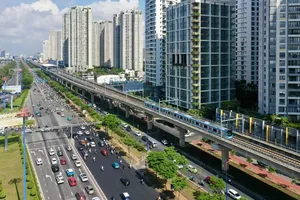
The goal is to develop a modern, integrated urban railway network that serves as a backbone of public passenger transport, enhances connectivity within the city and across regions, and gradually shapes a multi-center urban structure guided by transit-oriented development (TOD) principles.
Under the planned roadmap, by 2030, public passenger transport via urban rail is expected to meet 20 percent–30 percent of travel demand; by 2035, 35 percent–50 percent; and by 2045, 50 percent–60 percent. During 2025–2030, six lines totaling approximately 187 km are scheduled for completion; 2030–2035 will see an additional eight lines spanning 275 km; and from 2035 to 2045, the remaining lines will be completed, gradually finalizing a 19-line network according to the master plan.
To achieve these targets, the Standing Committee of the Ho Chi Minh City Party Committee has called for the urgent consolidation of the Steering Committee for Urban Railway Development, streamlining it for efficiency with the City Party Secretary serving as the Chair of the Steering Committee. At the same time, efforts will be strengthened to monitor and supervise implementation, commend outstanding collectives and individuals, and strictly handle violations during project execution.