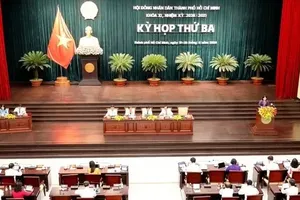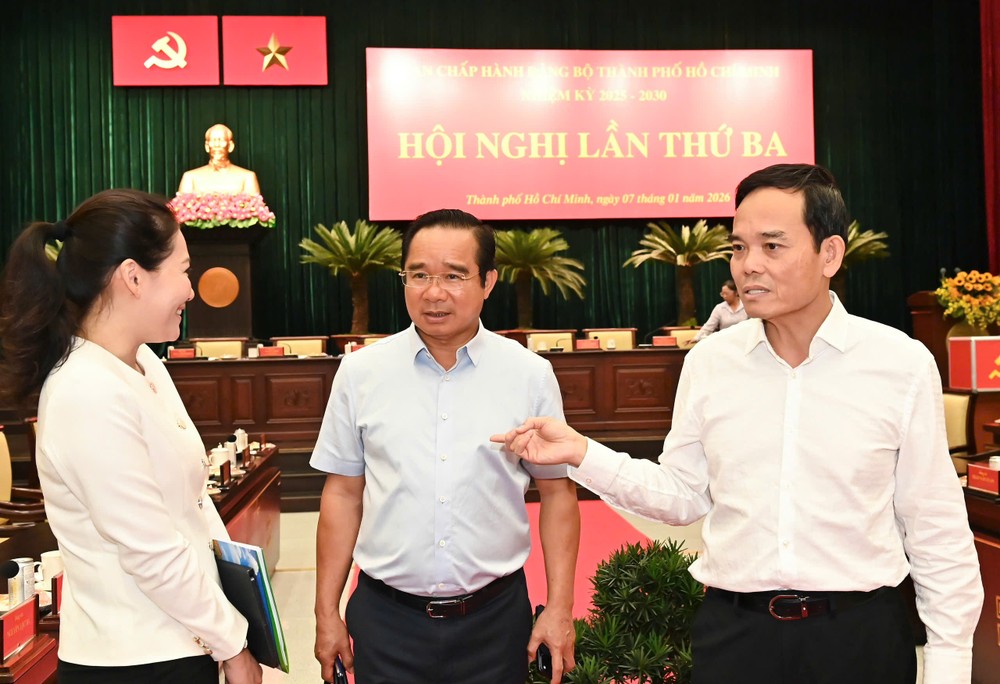
At the third conference of the Ho Chi Minh City Party Executive Committee for the 2025–2030 term, which opened on the morning of January 7, the municipal Party Committee agreed to move the project entirely to public investment, replacing the previous PPP build-transfer framework.
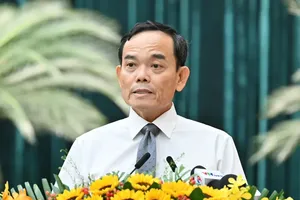
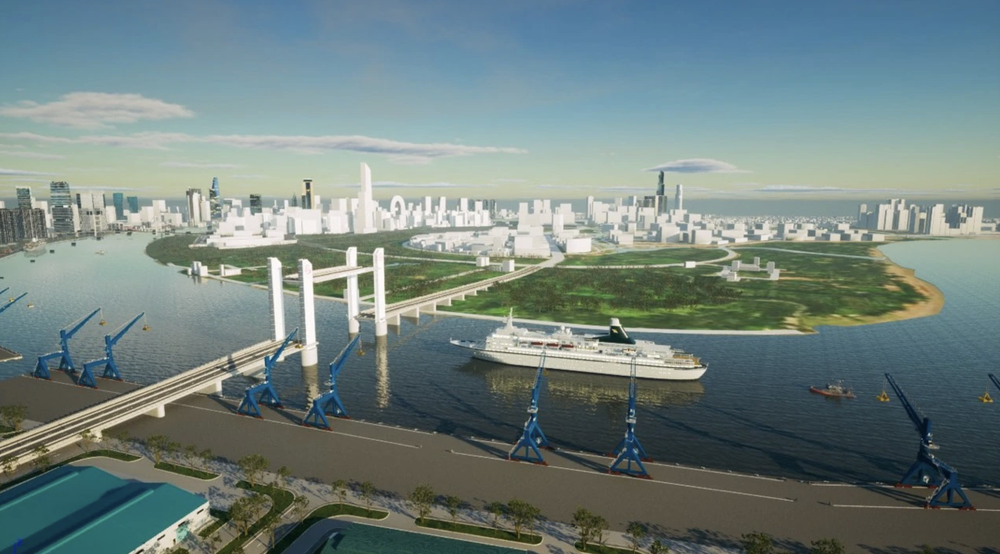
Spanning around 2.2 kilometers with eight traffic lanes, the bridge represents an investment of over VND5 trillion (US$190 million). Vice Chairman of the HCMC People’s Committee Bui Xuan Cuong told the session that Thu Thiem has been planned as one of the city’s key financial and commercial centers, with most core transport infrastructure within the area nearing completion and expected to be opened to traffic in 2026.
Despite this progress, he noted that traffic connections between Thu Thiem and both the historic city core and southern urban areas remain fragmented, constraining growth and falling short of development targets approved in the national master plan. Currently, Thu Thiem has only limited direct access to downtown and no seamless routes linking it to Tan Thuan Ward, Xom Chieu Ward, or the broader southern urban zone.
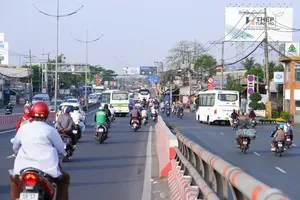
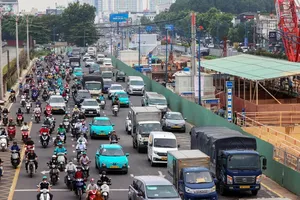
This lack of connectivity has intensified traffic pressure on major roads, including Ton Duc Thang and Nguyen Tat Thanh streets, as well as Khanh Hoi Bridge and several critical nodes. According to Vice Chairman Bui Xuan Cuong, the congestion undermines traffic circulation, restricts urban expansion, and reduces residents’ quality of life.
Thu Thiem 4 Bridge is therefore considered a critical missing link, designed to ease traffic loads on existing corridors, strengthen the east-south transport grid, and support broader regional development. The project is also expected to unlock investment flows, boost commerce, services, and tourism, and more fully utilize the strategic development space along the Saigon River.
City leaders stressed that completing the bridge will reinforce planning objectives, catalyze development of both Thu Thiem and the southern urban area, and help the city stay on track with public investment and disbursement targets for the 2026–2030 period.
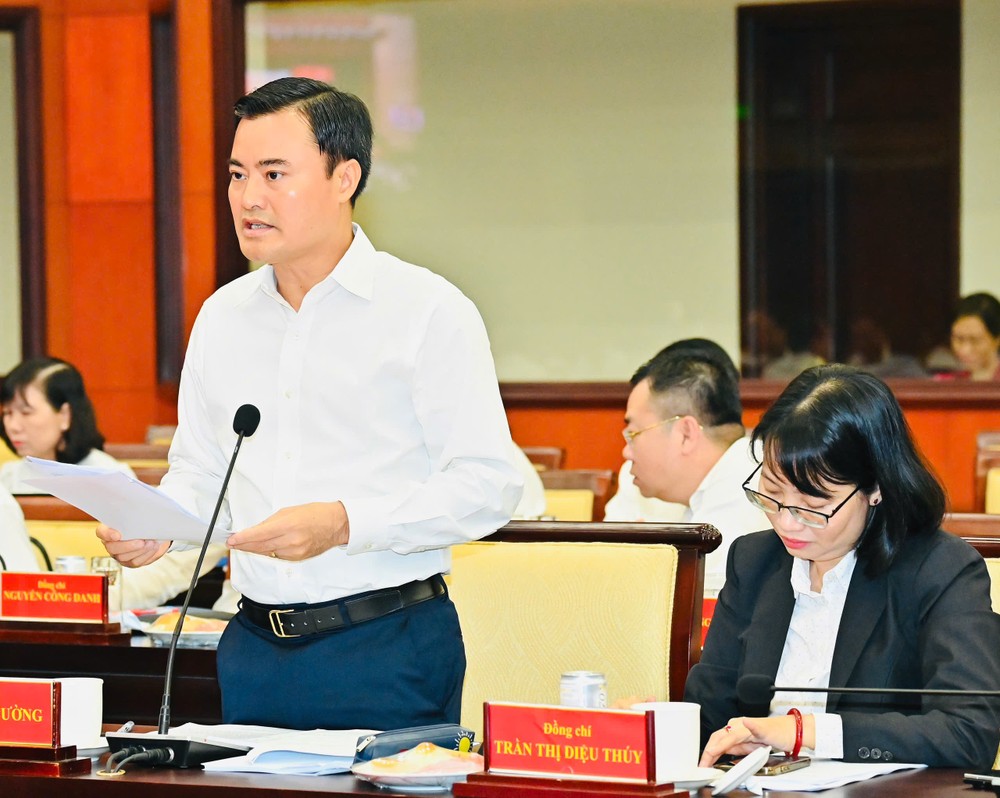
The HCMC Party Committee also authorized the Standing Committee to determine capital sources and investment arrangements for projects aligned with Action Program No.03-CTrHD/TU, a move intended to provide flexibility in mobilizing resources.
The bridge will run from Nguyen Van Linh Street near Tan Thuan 2 Bridge to Nguyen Co Thach Street in Thu Thiem. It was previously slated for construction under a PPP BT model, with payment via land allocation, before the recent transition to full public financing.