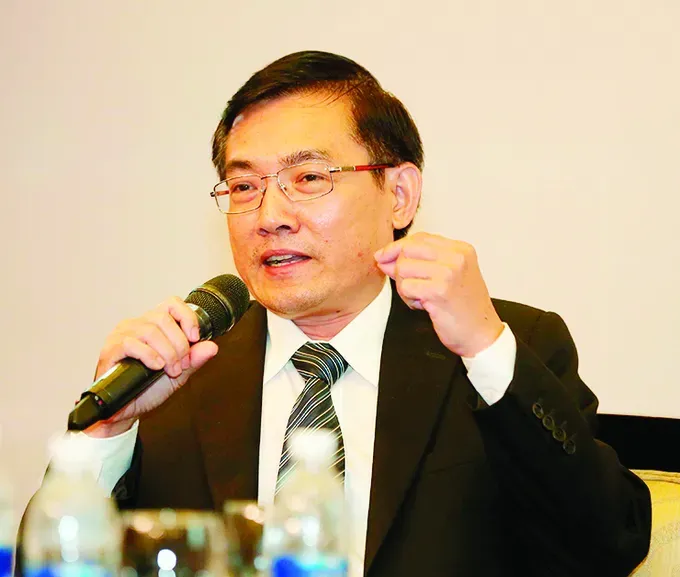
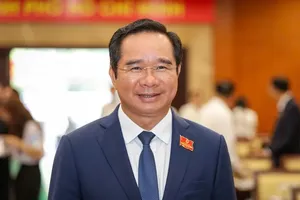
Chairman and General Director of Savista Corporation cum Head of the Campaign Committee for the Establishment of HCMO Nguyen Tien Dung shared with SGGP Newspaper his views on this essential establishment.
First, Chairman Nguyen Tien Dung reported the current situation of apartment operation and management in HCMC.
The Government has already issued many regulations on the management and use of apartment buildings since 2006. However, a specialized industry hasn’t been formed yet, and is currently only regulated by the Law on Housing. At the moment, apartment management and operation are still plagued by disputes between certain owners and management entities.
Disputes arise from conflicts regarding community lifestyle culture, where residents haven’t formed communal habits; or from amenities committed to at the time of purchase differing from what is actually inherited. Although there are currently legal frameworks to adjust these issues appropriately, many problems arise in reality that the law has not yet fully covered.
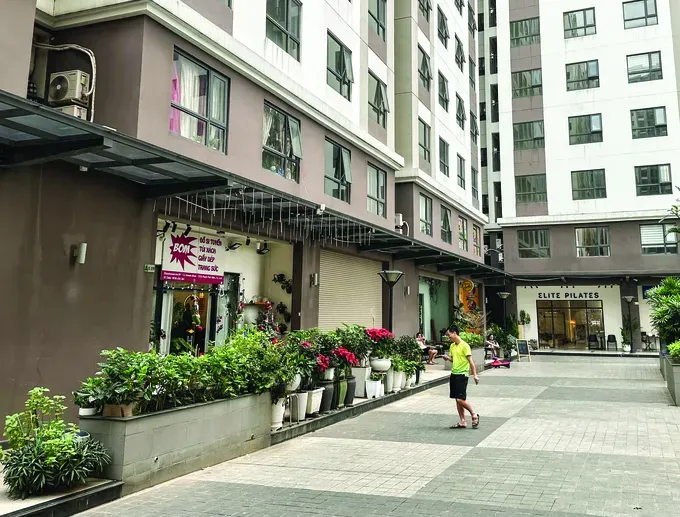
HCMC is one of the localities with the highest number of apartment buildings, making the establishment of HCMO a necessity. This organization will support state management agencies in policy enforcement while protecting the legitimate rights of both operation units and residents, aiming for sustainable urban development.
The Chairman then explained in detail the operation mechanism and human resources allocation of HCMO in the upcoming time.
Establishing HCMO is essential to address frequent disputes between residents, management boards, and operators. Acting as an intermediary, the HCMO supports mediation to minimize complaints to state agencies while enhancing professionalism in technical systems, maintenance, and security.
Furthermore, HCMO serves as a vital bridge for businesses to contribute opinions on legal policies. Ultimately, the Association aims to build a distinct apartment culture, fostering a civilized and safe lifestyle for all users within the bustling environment of HCMC.
HCMO has legal entity status, its own seal and account. It self-finances its funding, headquarters, and operational means. The association’s role is to gather businesses and investors to share experiences, standardize operational processes, and specifically participate in mediating disputes. The association will support management agencies in policy enforcement and protect the legitimate interests of both operators and residents.
The first meeting is expected to be held in March 2026 to elect the Executive Committee, the Standing Committee, the Chairman, and the Vice Chairmen of HCMO.
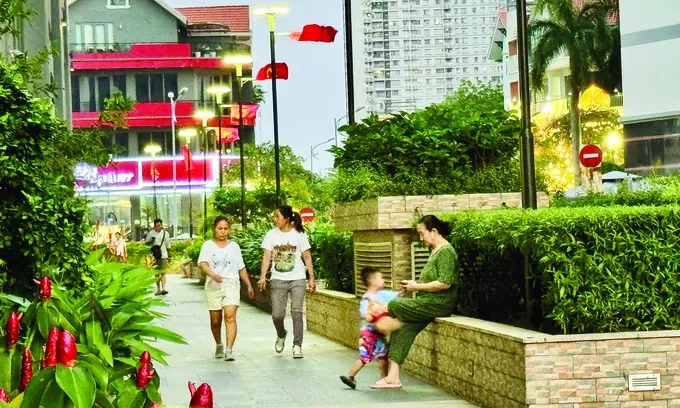
One of the painful issues in apartment operation today is the conflict between residents and the management board, or among residents themselves, and the demand for ownership certificates.
HCMO covers all apartment living conflicts, using members’ legal expertise to guide residents in claiming their rights. Regarding practical situations unregulated by law, the association synthesizes data to propose necessary amendments to functional agencies.
Although resolving complex ownership disputes or certificate issuance falls outside its direct authority, depending mainly on investors and state bodies, HCMO remains involved. Because these conflicts significantly impact quality of life, the association actively shares experiences and provides information so that opposing parties find a common voice, ensuring greater community stability despite lacking the final legal power to decide titles.
Finally, Chairman Nguyen Tien Dung elaborated on HCMO’s aid towards both residents and corresponding apartment operation units for the sake of sustainable urban development.
In addition to ensuring residents’ rights when their lives are affected, the association is responsible for monitoring impacts and ensuring that the apartment operation, maintenance, and upkeep processes are conducted according to regulations. HCMO will guide operation management work to ensure investors adhere to standards and correct processes, preventing hazards that directly affect residents.
This will help state agencies reduce the pressure of resolving arising issues, ensuring everyone complies with regulations. Furthermore, from actual cases, the association will research and propose that management agencies amend regulations to be more appropriate.
Recently, at the HCMC Business-Government Conference, Deputy Director Tran Si Nam of the HCMC Department of Construction stated that to date, HCMC has 1,771 apartment projects handed over to buyers, with hundreds of thousands of households residing in them.
These are not just modern architectural works but also community spaces reflecting urban lifestyle, behavioral culture, and the quality of life of the city’s people. Currently, three major issues exist in apartment management:
- Conflicts occur between residents, the Board of Management, and the investor;
- The lack of transparency in fund collection, management, and use by the Board of Management as well as the operation process;
- The inadequacy in maintenance work and unsynchronized structural safety.



)