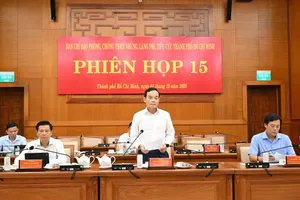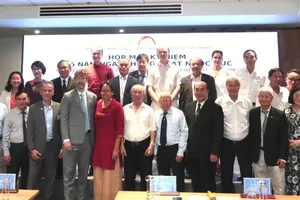
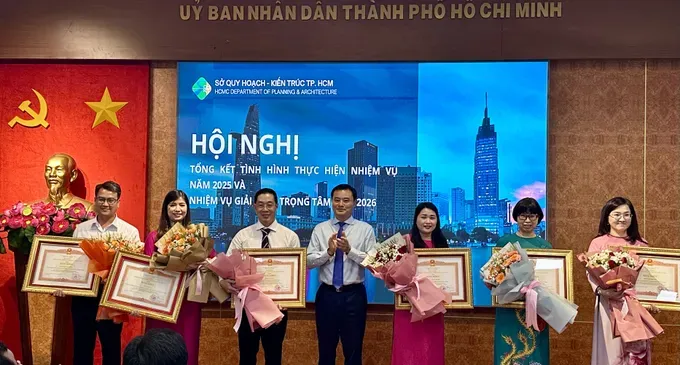
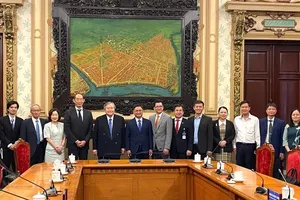
On January 13, the Ho Chi Minh City Department of Planning and Architecture held a conference to review the implementation of its tasks in 2025 and outline key tasks and solutions for 2026.
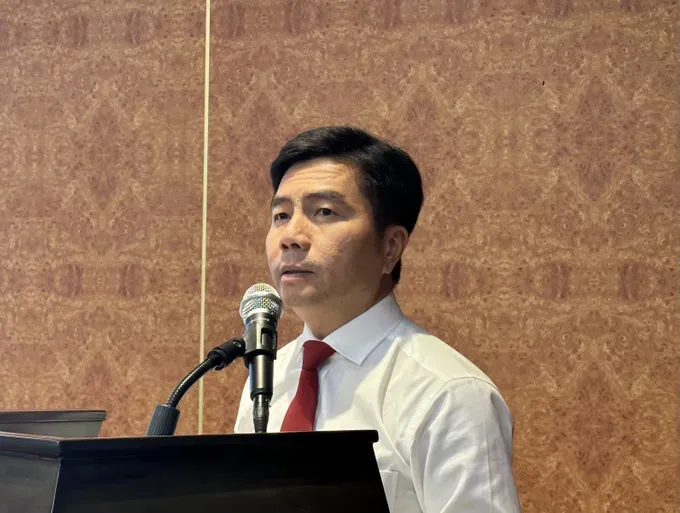
Speaking at the conference, Director of the Department of Planning and Architecture Vo Hoang Ngan noted that 2025 marked significant progress in the restructuring and expansion of Ho Chi Minh City’s urban space across population scale, economic, and development capacity. This presents important opportunities for the city to drive innovation and achieve comprehensive development commensurate with its stature.
As the advisory body responsible for formulating the General Master Plan within the city’s overall master planning framework under National Assembly Resolution No. 260/2025/QH15, the Ho Chi Minh City Department of Planning and Architecture plays a critically important role, both legally and in practice, in ensuring the conditions for the city’s development.
Resolution 260 represents a fundamental shift in the legal approach and planning methodology, addressing longstanding institutional and policy bottlenecks and overcoming shortcomings that existed in the past.
Accordingly, Ho Chi Minh City will operate under a single, unified master plan, a multi-sectoral city master plan designed to ensure coherence among socio-economic development objectives and urban spatial development, aligned with a modern development model.
According to the Director of the Ho Chi Minh City Department of Planning and Architecture, the city has strongly devolved authority to commune-level People’s Committees, enabling specialized agencies at the municipal level to strengthen coordination and provide support in addressing emerging difficulties and bottlenecks.
In the coming time, the department will focus its full efforts on fulfilling the objectives and tasks assigned under the plan of the Ho Chi Minh City People’s Committee, with the aim of completing key planning levels in line with comprehensive innovation, starting from the city’s highest-level planning framework.
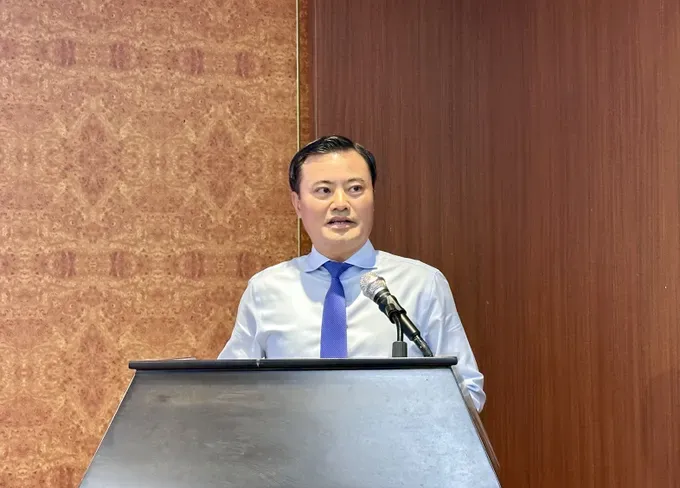
At the conference, Vice Chairman of the Ho Chi Minh City People’s Committee, Bui Xuan Cuong, called on the department to focus intensively on the formulation and implementation of the city’s Master Plan across the entire urban area following administrative consolidation, ensuring quality, timelines, long-term vision, and feasibility. He described this as a particularly important political task for the department in 2026.
He also urged faster progress in completing the full coverage of zoning plans, detailed plans, sectoral technical infrastructure plans, and underground space planning in order to establish a coherent legal framework for attracting investment, accelerating public investment projects, advancing infrastructure development, and supporting urban upgrading and redevelopment. In this context, Ho Chi Minh City is expected to further assert its role as a regional growth engine, with transport networks, including roads, railways, waterways, and airports, serving as the backbone of development.
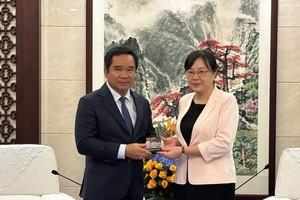
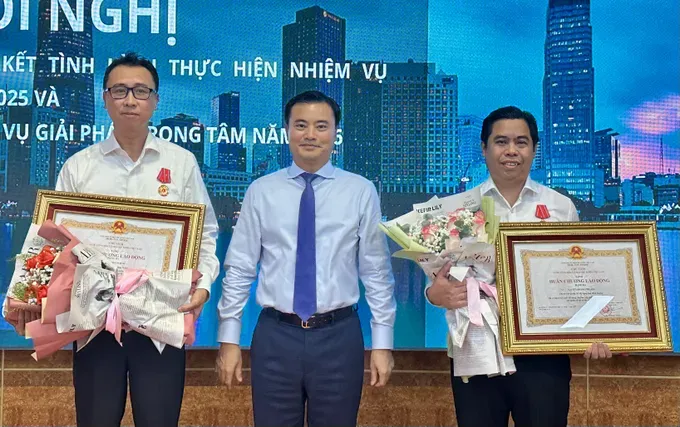
At the conference, two individuals were awarded the Third-Class Labor Order, while eight others received Certificates of Merit from the Prime Minister in recognition of their achievements.
)