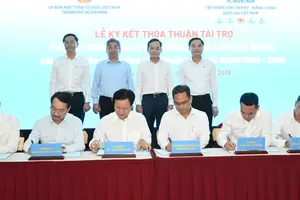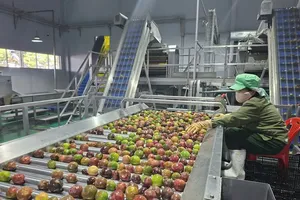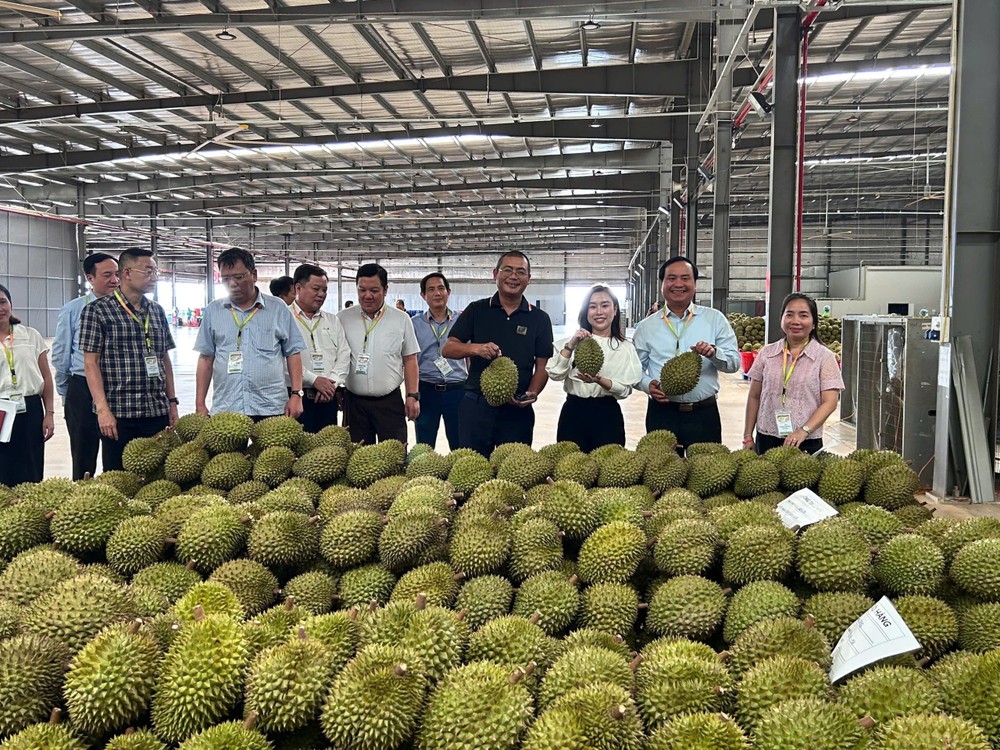
Speaking at a seminar titled “Removing bottlenecks in the durian industry: Building sustainable exports,” organized by Tien Phong Newspaper, Mr. Tran Thanh Hai, Deputy Director General of the Ministry of Industry and Trade’s Import-Export Department, said China imported more than 1 million tons of durians in the first half of 2026.
Thailand supplied more than 800,000 tons, compared with about 238,000 tons from Vietnam. While the two countries are China’s main durian suppliers, Thailand’s exports were nearly four times Vietnam’s during the period.
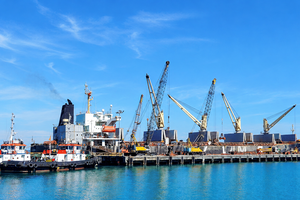
Hai said shortening the time and reducing the cost of moving durians from growing areas to overseas markets would help improve the industry’s competitiveness. He suggested promoting mutual recognition of quarantine procedures, expanding maritime exports, developing cold-chain systems, cold storage, quarantine facilities, and logistics hubs in production areas, and investing in deep-processing plants to reduce reliance on fresh durian exports.
He also proposed preferential credit packages with lower interest rates and longer repayment periods to help businesses invest in processing, logistics, and export infrastructure.
On financing, Mr. Tran Anh Quy, Deputy Head of the State Bank of Vietnam’s Credit Department, said outstanding loans to the agriculture and rural sector reached nearly VND4.4 quadrillion (US$167 billion) as of June 2026, up nearly 5 percent year on year and accounting for about 22 percent of total outstanding credit. Agriculture alone accounted for roughly VND2.3 quadrillion, or 52.54 percent.

Mr. Tran Anh Quy said the durian industry would benefit from coordinated solutions covering financing, processing, logistics and market access. He said the central bank was encouraging lenders to apply technology, reduce lending costs, and diversify credit products to improve access to capital, particularly for projects that can increase the industry’s value, including deep-processing facilities and logistics infrastructure.
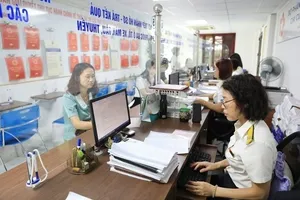
Customs clearance was another major concern. Ms. Nguyen Thi Quynh Chi, representing the Department of Vietnam Customs under the Ministry of Finance, said customs authorities were prioritizing measures to facilitate durian exports.
Local customs units have been instructed to standardize supervision and clearance procedures and process shipments on the same day, including during holidays, weekends and outside normal working hours.
For shipments rejected and returned by Chinese authorities, customs offices will expedite re-import procedures at exporters’ requests. They have also been ordered to prevent any conduct that could obstruct clearance, prolong processing times or impose additional costs on businesses.
Meanwhile, Mr. Nguyen Quoc Manh, Deputy Director General of the Department of Crop Production and Plant Protection under the Ministry of Agriculture and Environment, said China’s General Administration of Customs had approved an additional 567 codes for Vietnamese durian growing areas and packing facilities, including 401 growing-area codes and 166 packing-facility codes.