It has also contributed to transforming culture into a driving force for sustainable development.
The ‘Goldmine’ of creative culture
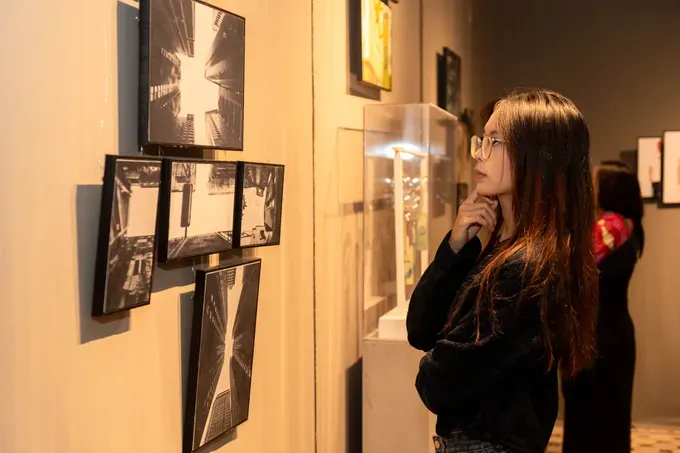
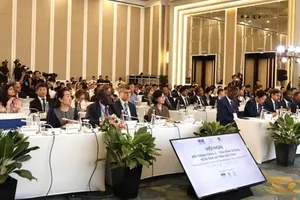
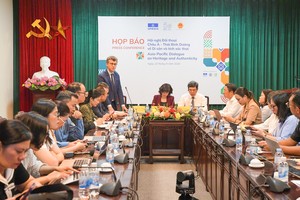
According to domestic and international experts speaking at the Asia Creative Forum recently held in Hanoi, creative culture not only reflects local identity but also serves as a core resource for Asia’s pursuit of sustainable, equitable, and human-centered development.
In Vietnam, the number of creative spaces has surged from just under 40 in 2014 to around 300 in 2025, spanning cities and provinces such as Hanoi, Hue, Lam Dong, Da Nang, Hoi An, and Ho Chi Minh City. This growth underscores the sector’s remarkable transformation.
Assoc. Prof. Dr. Nguyen Thi Thu Phuong, Director of the Vietnam Institute of Culture and Arts, noted that Asian countries have an advantage in not being constrained by traditional models, allowing them to flexibly create new identities. In Singapore and cities such as Chiang Mai in Thailand, Gwangju in South Korea, and Hoi An in Vietnam demonstrate that urban creativity can both preserve heritage and drive economic growth while improving quality of life.
Globally, placing culture, arts, and communities at the center has become a new trend in urban governance. Many cities are using creativity to modernize public spaces, revive urban memories, and build sustainable development models.
Ms. Nguyen Phuong Hoa, Director of the Department of International Cooperation at the Ministry of Culture, Sports and Tourism, emphasized that creative culture serves both as a spiritual foundation and a driving force for development. Vietnam aims to pursue localized solutions that integrate policy, businesses, and communities, rather than simply adopting international models.
Dr. Tom Fleming, Director of the UK’s Tom Fleming Creative Consultancy, added that policies are effective only when translated into practical actions that connect artists, creative cities, and communities, fostering pride, knowledge, and innovation. This approach is one that Vietnam can fully leverage to expand its domestic creative map.
Expanding Vietnam’s creative map
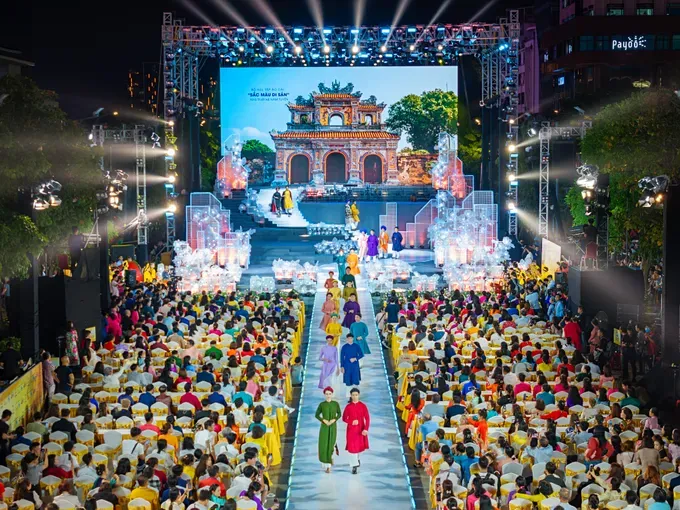
Vietnam’s creative culture ecosystem is expanding from major urban centers to heritage sites and local communities. Four UNESCO Creative Cities Network members, including Hanoi, Hoi An, Da Lat, and Ho Chi Minh City, are leading the way in placing creative culture at the heart of sustainable development.
Each city possesses its own unique identity while experimenting with urban creative models, from heritage governance and public space design to the creative economy, expanding high-quality living spaces and fostering vibrant artistic communities.
Assoc. Prof. Dr. Nguyen Thu Phuong noted that creative culture is no longer confined to urban centers but is flourishing in local communities. In Lai Chau, ethnic groups such as the Hmong, Dao, and Ha Nhi organize handicraft workshops and artistic performances in natural settings, transferring indigenous knowledge through creative experiences. Places like Sin Suoi Ho, Si Thau Chai, and Lao Chai are becoming “creative destinations,” rooted in lifestyle, nature, and culture that cities cannot replicate.
Meanwhile, Ms. Nguyen Phuong Thao, Director of Arts and Creative Industries Programs at the British Council in Vietnam, emphasized that Vietnam’s creative ecosystem is a “potential goldmine” both economically and culturally.
The connection between urban creativity and local creativity through festivals, community projects, and public spaces helps bring culture back into daily life as a strategic resource.
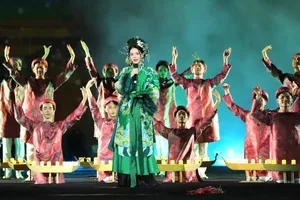
Dr. Ngo Phuong Lan, Chairwoman of the Vietnam Film Development Association (VFDA), presented the journey of building the brand of the Da Nang Asia Film Festival (DANAFF). Although still a young festival, DANAFF has quickly made a strong impression on Vietnamese audiences and international peers, drawing attention from filmmakers across numerous countries.
From its inaugural edition in 2023, the third Da Nang Asian Film Festival (DANAFF) 2025 has expanded, attracting filmmakers and investors. This growth has helped reposition Da Nang, not merely as a tourist city, but as a creative urban center developing its own cultural identity.
If sustained and properly invested in, DANAFF could entirely become the ‘Busan of Vietnam,’ a creative hub drawing producers and international investors not only to watch films but also to collaborate and explore new projects,” emphasized Dr. Ngo Phuong Lan.