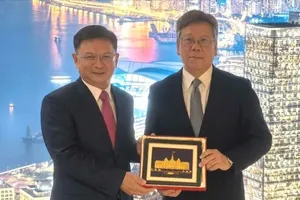
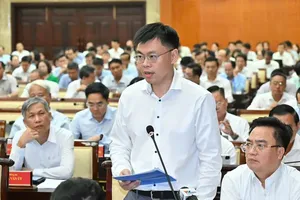
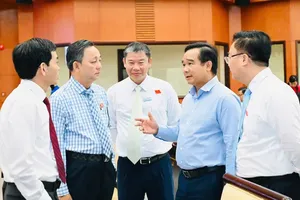
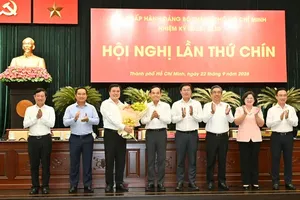
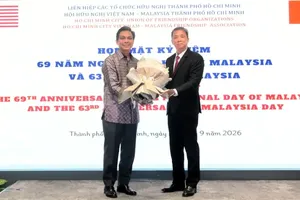
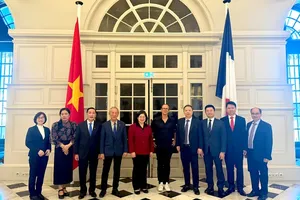
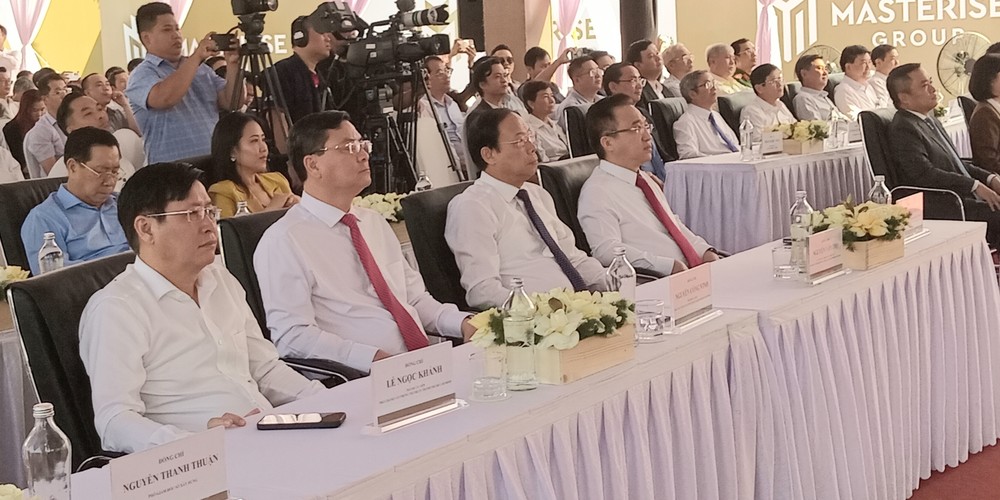
The event was attended by senior city leaders, including Mr. Dang Minh Thong, Member of the Standing Committee of the HCMC Party Committee and Deputy Secretary of the HCMC Party Committee; Mr. Nguyen Van Tho, Standing Committee Member and Vice Chairman of the HCMC People’s Council; Mr. Nguyen Cong Vinh, Member of the Party Committee of HCMC and Vice Chairman of the HCMC People’s Committee; and representatives of municipal departments and agencies.
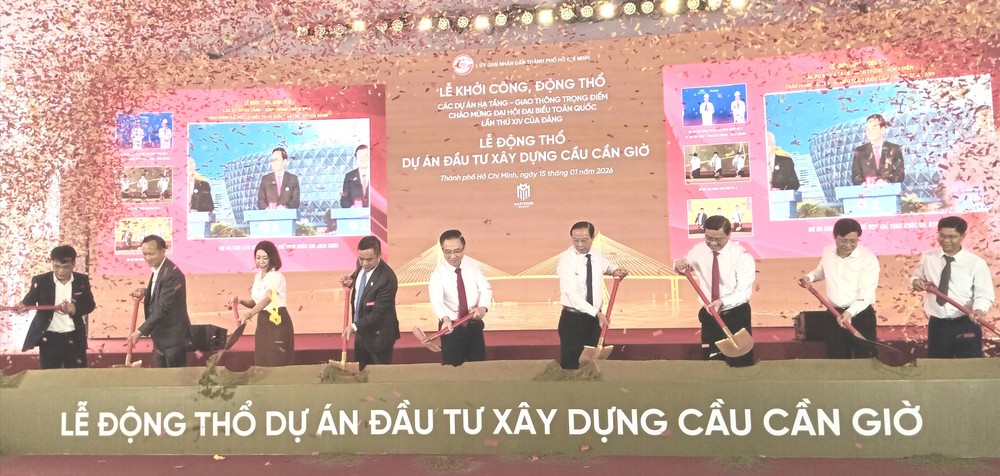
Can Gio Bridge will span 6.3 kilometers, feature six traffic lanes, and require a total investment of VND13.2 trillion. It will connect Nha Be Commune with Binh Khanh Commune and is being executed under a public-private partnership through a Build–Transfer (BT) contract, with Masterise Group serving as the investor. The main structure—nearly three kilometers long—will cross the Soai Rap River. The bridge is designed for vehicles traveling at speeds of up to 80 kilometers per hour, with construction scheduled from 2026 to 2029.
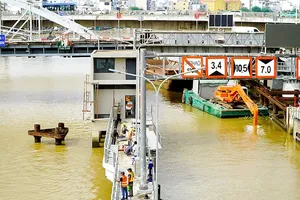
A project of strategic importance, Can Gio Bridge will replace the Binh Khanh ferry, eliminating the existing reliance on river crossings and opening a new development axis toward the city’s southeastern seaboard. Of the investment total, HCMC will contribute roughly VND3.43 trillion from the municipal budget, while the private investor will provide around VND9.14 trillion, excluding loan interest.
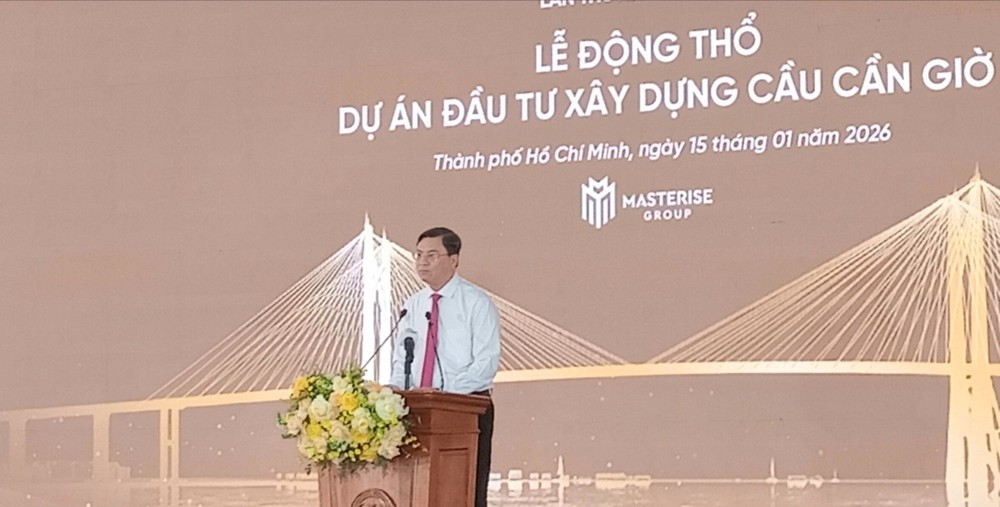
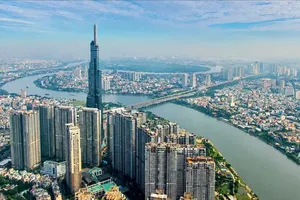
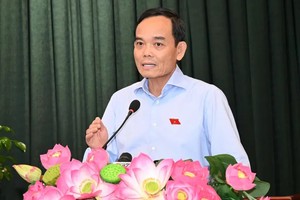
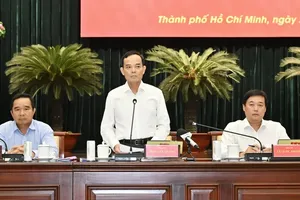
Speaking at the ceremony, HCMC Vice Chairman Nguyen Cong Vinh underscored that the city’s 2021–2030 master plan, with a vision toward 2050 approved by the Prime Minister, as well as the revised citywide planning framework to 2040 with a vision to 2060, all identify Can Gio as a key growth pole in the southern region of HCMC.
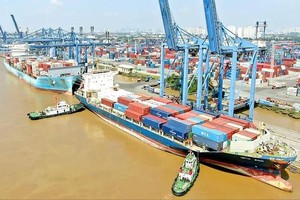
Major developments already underway include the 2,870-hectare Can Gio Reclaimed Urban Area, projected to attract nearly nine million tourists annually, and the international transshipment port project capable of handling 24,000 TEU container vessels, 65,000-ton feeder ships, and 8,000-ton barges. Phase one of the port must be operational before 2030 to catalyze economic expansion toward the coast, strengthen marine-based and ecological tourism industries, improve livelihoods, and safeguard the Can Gio Mangrove Biosphere Reserve.
Given this strategic vision—approved by the city’s People’s Council—Can Gio Bridge stands as a crucial infrastructure anchor.
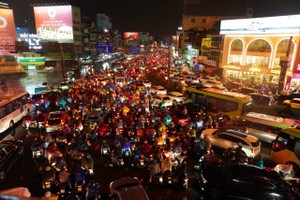
Vice Chairman Nguyen Cong Vinh added that upon completion, the cable-stayed bridge will become a new urban symbol for the city, thanks to its approved architectural and engineering design. Together with additional transport links, it will sharply reduce travel times, facilitate trade, tourism, and services, and improve access to healthcare, education, and cultural amenities for Can Gio residents.
HCMC authorities pledged rigorous oversight, close coordination with consultants, contractors, and the investor, and strict compliance with legal and technical standards to ensure on-time delivery, operational safety, and early public benefit.