Accommodation in short supply
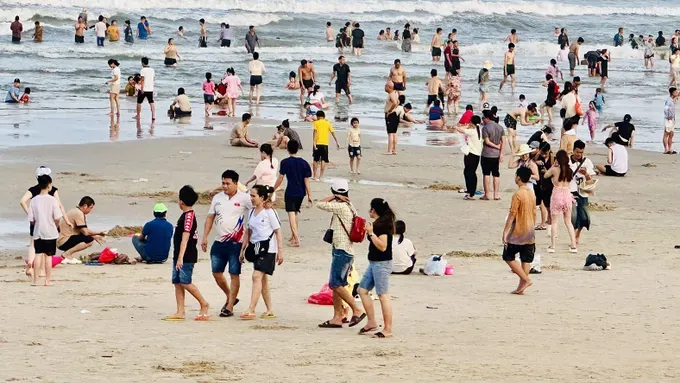
Visitor numbers to Ho Chi Minh City's coastal destinations have surged in July. Hotels rated three to five stars in coastal localities such as Vung Tau Ward, Tam Thang Ward, Long Hai Commune, Ho Tram Commune and Binh Chau Commune have been operating at nearly full capacity.
According to accommodation providers, bookings began rising sharply in early June and have remained high, especially on Fridays, Saturdays and Sundays. A representative of The Landmark Vung Tau Hotel said that all rooms for summer weekends had been fully booked several days in advance, with occupancy approaching 100 percent, particularly for sea-view rooms and family suites.
In Ho Tram Commune, four- and five-star resorts have consistently reported full occupancy on weekends. Beyond hotels, serviced apartments, villas and homestays have also seen a sharp increase in bookings.
Phan Cong Thu, owner of the Cham Homestay chain, said properties in the Vung Tau and Phuoc Hai areas are typically fully booked one to two weeks in advance, especially larger homestays catering to families and groups of friends.
The opening of the Bien Hoa–Vung Tau Expressway has significantly reduced travel time to Ho Chi Minh City's eastern coastal destinations, contributing to a sharp increase in visitor numbers. Combined with the school summer holidays, demand for accommodation has outpaced supply, resulting in periodic room shortages, according to tourism businesses.
Beware of booking scams
The surge in accommodation demand has also fueled a rise in online booking scams.
Scammers typically create fake Facebook pages for well-known hotels, resorts and homestays, using images copied from official websites, purchasing large numbers of followers and even running paid advertisements to appear legitimate. Once contacted, they pressure customers to transfer deposits of 30–50 percent of the room rate, claiming it is necessary to secure the "last available room" or a "limited-time promotion." After receiving the payment, the scammers cut off all communication and disappear.
In late June, a Can Tho City resident identified as N.T.N. fell victim to the scam while booking a hotel on Thuy Van Street in Vung Tau Ward. Trusting a Facebook page with more than 21,000 followers, she transferred nearly VND1.5 million (about US$57) as a deposit. When she tried to contact the hotel shortly before her trip, the phone number was no longer in service, and she realized she had been scammed.
Nguyen Thi Le, Deputy Head of the Accommodation Management Division under the Ho Chi Minh City Department of Tourism, said fake websites and social media pages impersonating accommodation providers have become increasingly sophisticated.
The department will step up efforts to educate travelers about common online fraud schemes and improve public awareness. It also urged tourism businesses to take more proactive measures to protect themselves and their customers by promptly identifying fake pages, reporting them to platform operators for removal, and assisting victims in reporting suspected fraud to the police. Notably, scammers are now targeting not only travelers but also accommodation providers.
D.H.T.V., who owns a hotel in Con Dao Special Zone, said a scammer posing as a guest sent her a fake bank transfer confirmation before instructing her to scan a QR code to verify the payment. After she complied, her e-wallet was used to obtain an instant loan of VND50 million (about US$1,900), and almost all of the funds were transferred out.
Lieutenant Colonel Vo Minh Thuan, Chief of Police of Con Dao Special Zone, urged the public to remain vigilant. He advised people never to scan QR codes from unknown sources, follow instructions from strangers through banking or e-wallet applications, or disclose passwords, one-time passwords (OTPs), or authentication codes.
He also advised tourism and accommodation businesses to carefully verify customer identities and payment transactions rather than relying solely on screenshots of bank transfers or payment notifications provided by customers.











)