One year after incorporating the former Binh Duong and Ba Ria-Vung Tau provinces, Ho Chi Minh City is reshaping itself into a multi-experience tourism destination by linking urban attractions, waterways, beaches, mangrove forests, and cultural heritage into a unified travel network.
HCMC reinvents tourism with culinary journeys and nighttime adventures
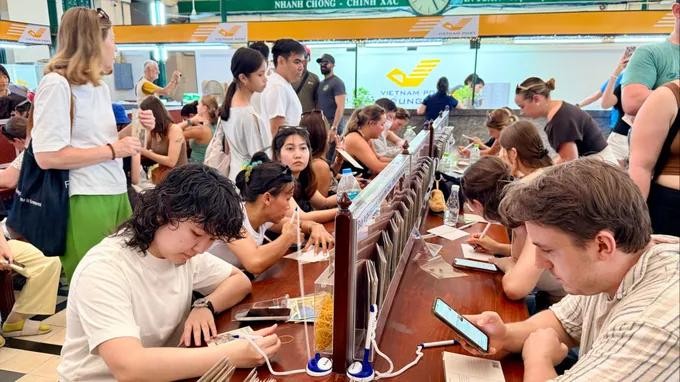
One year after expanding its development space through the merger of the former Binh Duong Province and Ba Ria-Vung Tau Province into Ho Chi Minh City, the city is gradually redefining itself as a multi-experience tourism destination. Rivers, mangrove forests, beaches, and cultural heritage sites are being connected into a seamless, extended travel experience.
Previously, Ho Chi Minh City was best known for its vibrant urban attractions, shopping, cuisine, and city-center landmarks. Today, that picture has broadened considerably. One of the most notable developments is the launch of 21 themed culinary tourism programs, designed not only to showcase local food but also to tell stories about culture, local livelihoods, and the nighttime economy.
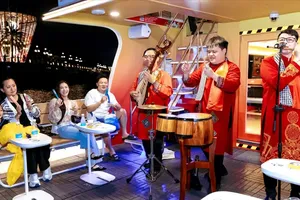
Among the highlights is the "Flavor Voyage" tour series, which links the Saigon River with coastal areas. Instead of dining in restaurants, visitors can enjoy meals aboard river cruises at sunset, watch live outdoor performances, or travel to Long Son Commune to experience traditional salt making, accompany local fishermen on fishing trips, and share meals with local residents.
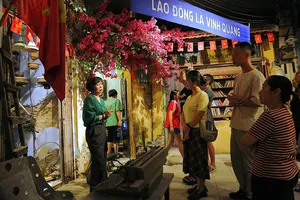
When night falls, a different side of Ho Chi Minh City comes to life. The "Cho Lon After Dark" tour takes visitors through traditional Chinese herbal medicine shops and family-run restaurants, where every dish reflects the cultural exchange between the Chinese and Vietnamese communities. Meanwhile, the "Saigon – Nostalgic Night Flavors" tour offers rides in vintage vehicles through historic neighborhoods while visitors sample traditional drip-filter coffee, banh mi, and hu tieu go, flavors that have become part of the memories of generations of Saigon residents.
In addition to introducing new tourism products, the Ho Chi Minh City Department of Tourism has standardized the entire visitor experience, from food safety and service quality to QR code applications and digital guidebooks, ensuring that every dish serves not only as a culinary attraction but also as an ambassador for the city's history and culture.
Travel companies have quickly embraced the shift. Vietravel, Vietluxtour, TST Tourist, and Saigontourist have introduced new products focused on immersive experiences.
Chairman Nguyen Viet Hung of Vietluxtour said the company is surveying a trekking tour to Dinh Mountain departing from central Ho Chi Minh City and combined with eco-resort stays in Vung Tau. It is also testing an itinerary that brings visitors back from the coastal area via the Can Gio sea ferry, crossing the Can Gio World Biosphere Reserve before ending in the city center.
Hoang Thuy Linh, deputy director of marketing and communications at Saigontourist Travel, said the company is continuing to expand its "My Beloved Ho Chi Minh City" city tour series by combining road, river, and metro transportation through programs such as "Following the Footsteps of the Saigon Rangers," "Saigon's Century of Heritage," and "Saigon Run – Paddle – Chill." The Viet BigBus double-decker bus route also connects more than 20 major attractions, making it easier and more convenient for visitors to explore the city.
Alongside product development, Ho Chi Minh City's tourism strategy is centered on four pillars including MICE tourism, the nighttime economy, waterway tourism, and medical tourism.
During the first six months of 2026, Ho Chi Minh City welcomed more than 6.39 million international visitors and 27.3 million domestic travelers. Tourism revenue reached nearly US$8.2 billion, up nearly 64 percent from the same period last year.
According to the Ho Chi Minh City Department of Tourism, the city will finalize its tourism development plan through 2030 to reflect the new administrative structure. It also plans to accelerate digital transformation, build a unified tourism database and information portal, expand promotion in key international markets, and develop a highly skilled workforce to support green growth and strengthen the city's competitiveness as a regional tourism destination.
HCMC builds integrated green tourism ecosystem to become Asia’s leading destination
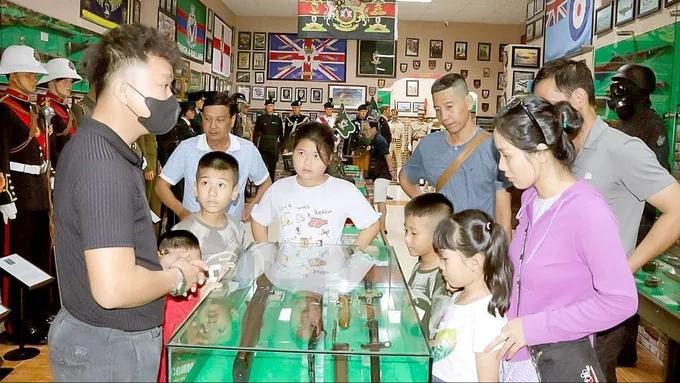
What distinguishes Ho Chi Minh City's tourism industry today is not simply the addition of new destinations, but its ability to connect multiple tourism ecosystems into a single journey.
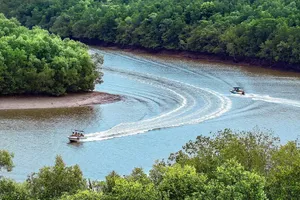
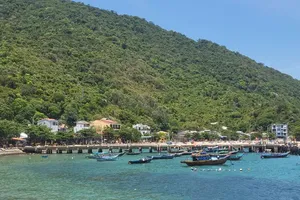
From the city center, visitors can take the metro to Suoi Tien, travel by river to Cu Chi and the former Binh Duong Province, explore the Can Gio mangrove forest, and continue on to Vung Tau. These interconnected routes are catering to the growing demand for green tourism, short getaways, and authentic local experiences.
Director Pham Huy Binh of the Ho Chi Minh City Department of Tourism said the city is pursuing a green, sustainable, and integrated tourism growth model that simultaneously leverages its coastline, mangrove forests, river network, cultural heritage, traditional craft villages, and modern industrial areas.
Each area will develop tourism products reflecting its own identity while remaining connected through an integrated tourism ecosystem, creating multi-destination itineraries that encourage longer stays and higher visitor spending, he said.
Few cities in the region combine the advantages of an international financial and commercial center, a major seaport system, international airports, high-tech industrial zones, coastlines, mangrove forests, and an extensive river network as Ho Chi Minh City now does.
One year after expanding its development space, the most significant achievement for Ho Chi Minh City's tourism industry is not simply its growth figures but its evolving development mindset. Rather than promoting isolated attractions, the city is steadily building a multi-layered tourism ecosystem where modern urban life, culture, industry, ecology, and resort tourism complement one another to create a more compelling regional destination.
Lower airfares boost summer travel bookings
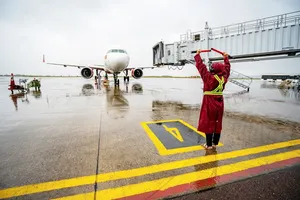
Although the summer travel season is at its peak, domestic airfares have unexpectedly declined.
Surveys by several ticketing platforms show that fares on many domestic routes have fallen by around 30 percent to 40 percent compared with a few months ago. For example, flights from Ho Chi Minh City to Hanoi departing in late July start at about US$44, while Ho Chi Minh City-Da Nang fares begin at around US$40. Flights from Hanoi to Phu Quoc are available from about US$35 for afternoon departures.
To meet travel demand, Vietnam Airlines plans to provide nearly 5.5 million domestic seats through mid-August, an increase of 3 percent from the same period last year.
Airlines said lower fares are largely the result of easing fuel costs following an earlier surge. For tour operators, airfare typically accounts for about 30 percent of package tour prices, so the decline has significantly reduced cost pressures.
However, many travel companies said the impact on package tour prices will not be immediate. Most summer tours were designed and contracted with airlines, restaurants, hotels, and other partners months in advance to maintain stable pricing. As a result, the latest airfare reductions are expected to have a greater impact on flexible travel products such as flight-and-hotel packages and newly launched tours.
Several travel companies reported that tour bookings have increased steadily over the past 10 days.