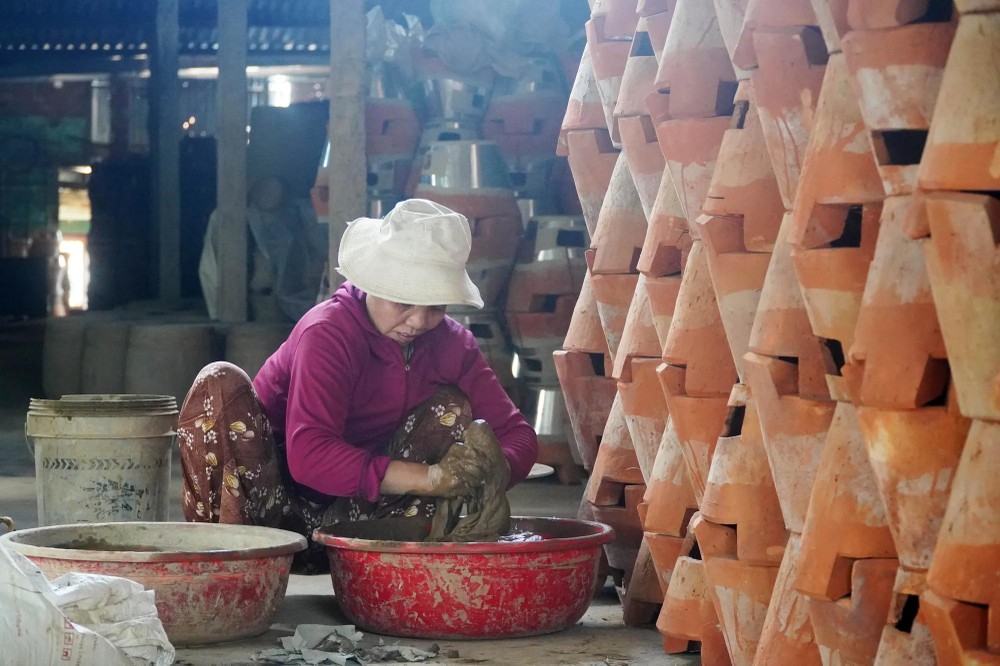
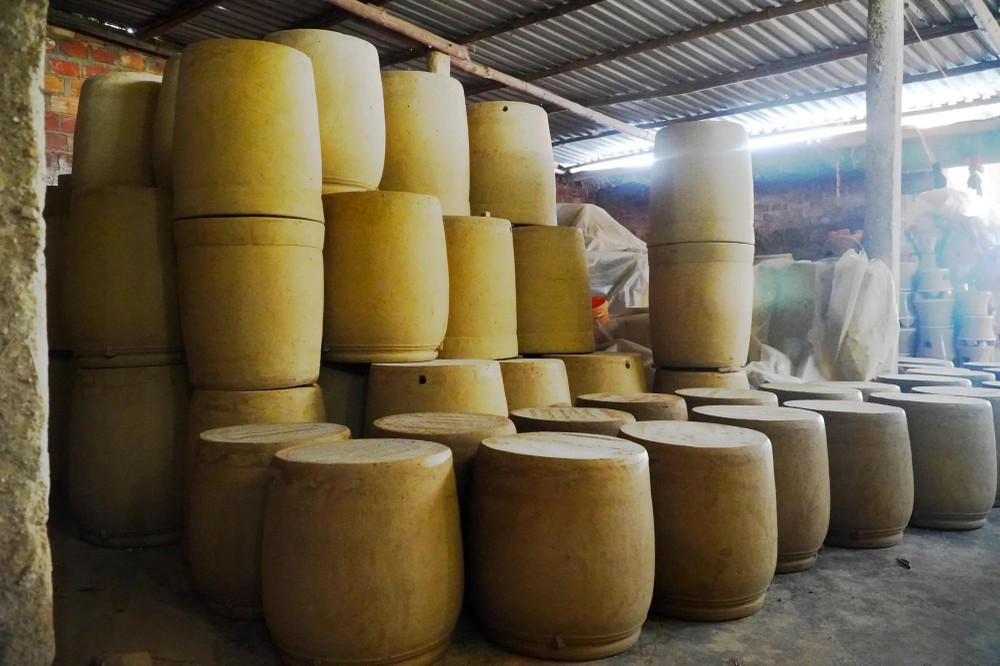
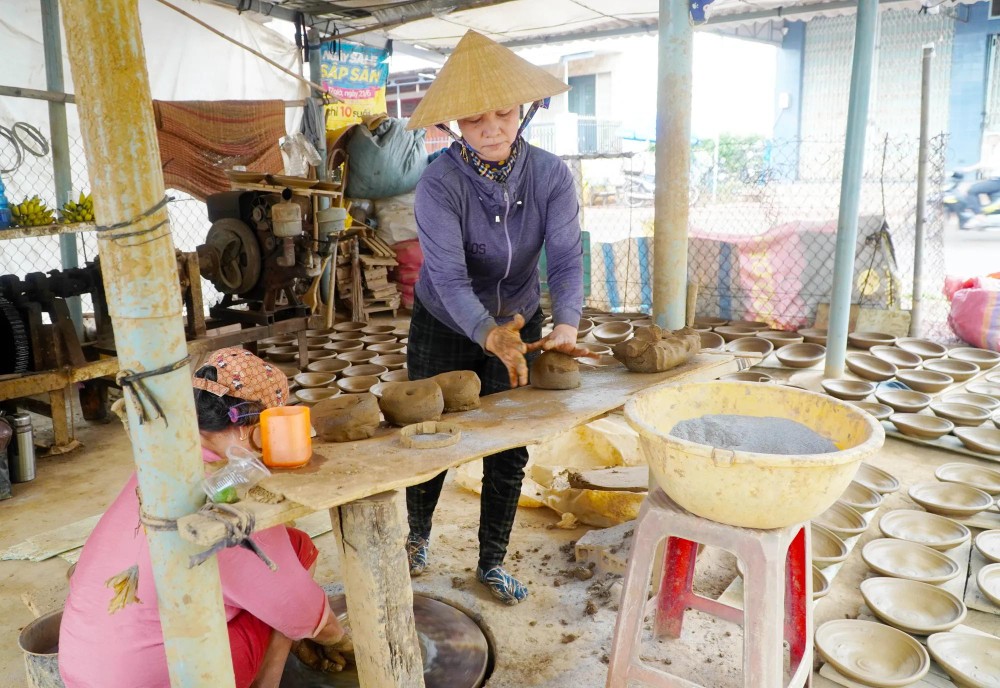
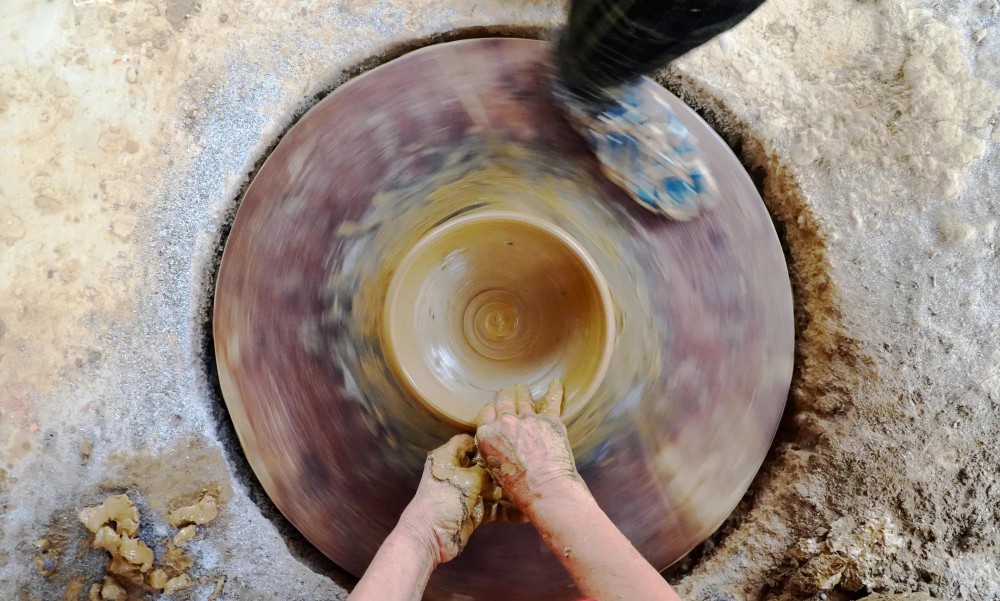
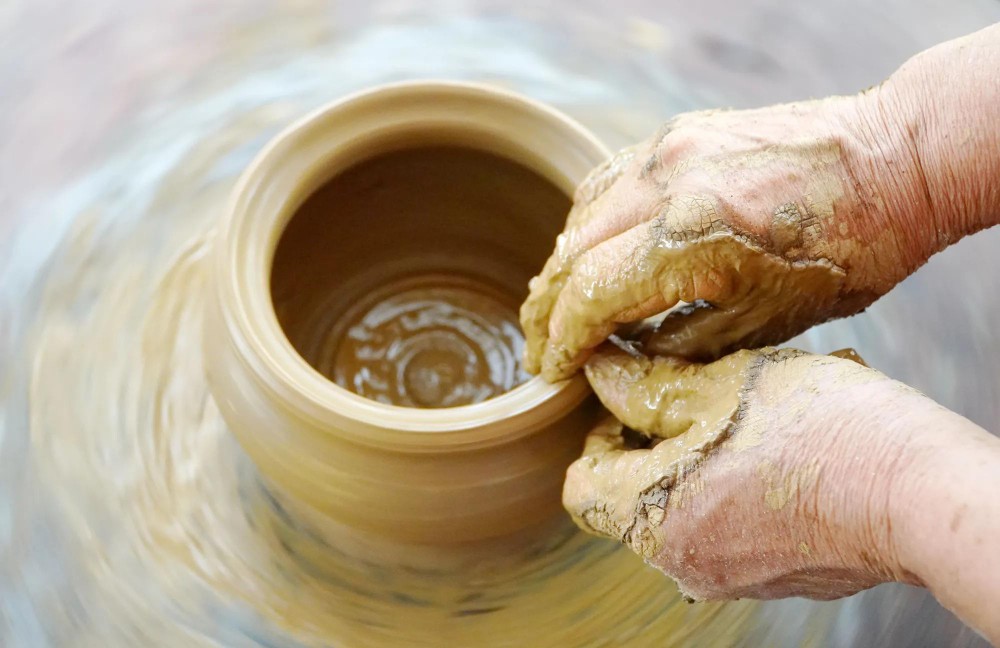
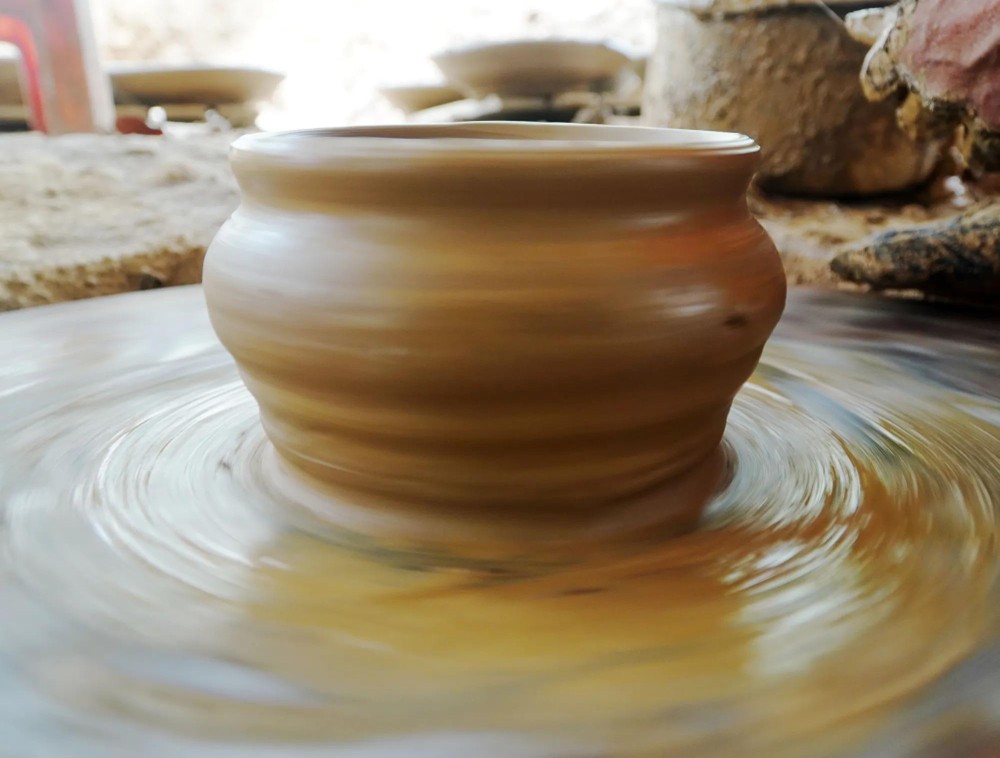
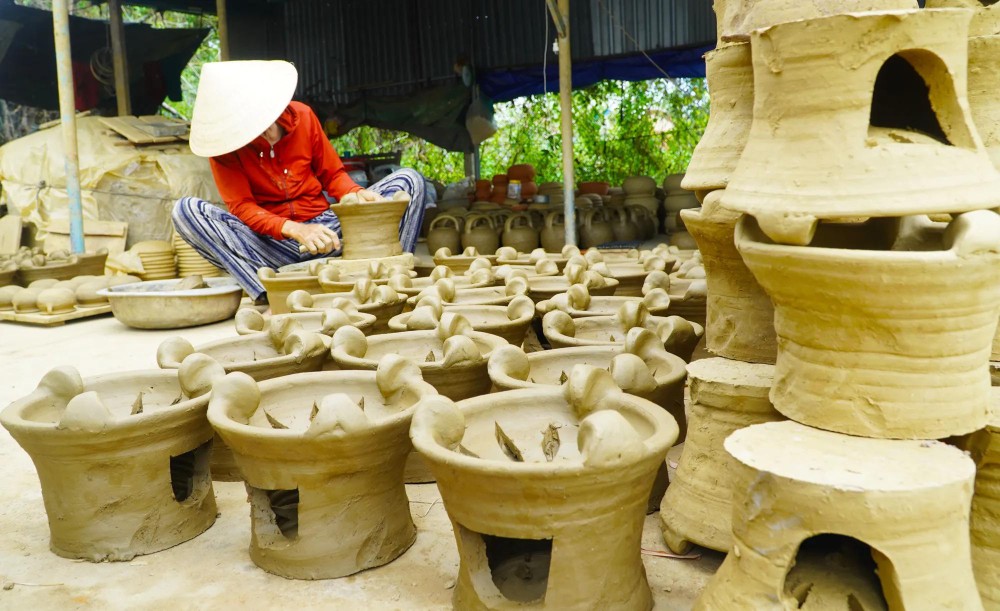
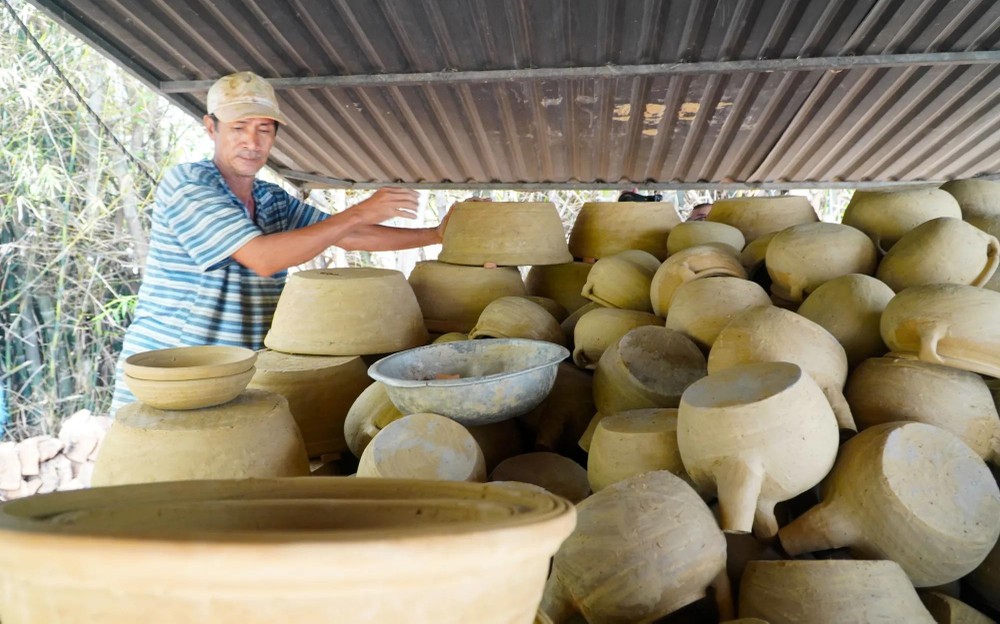
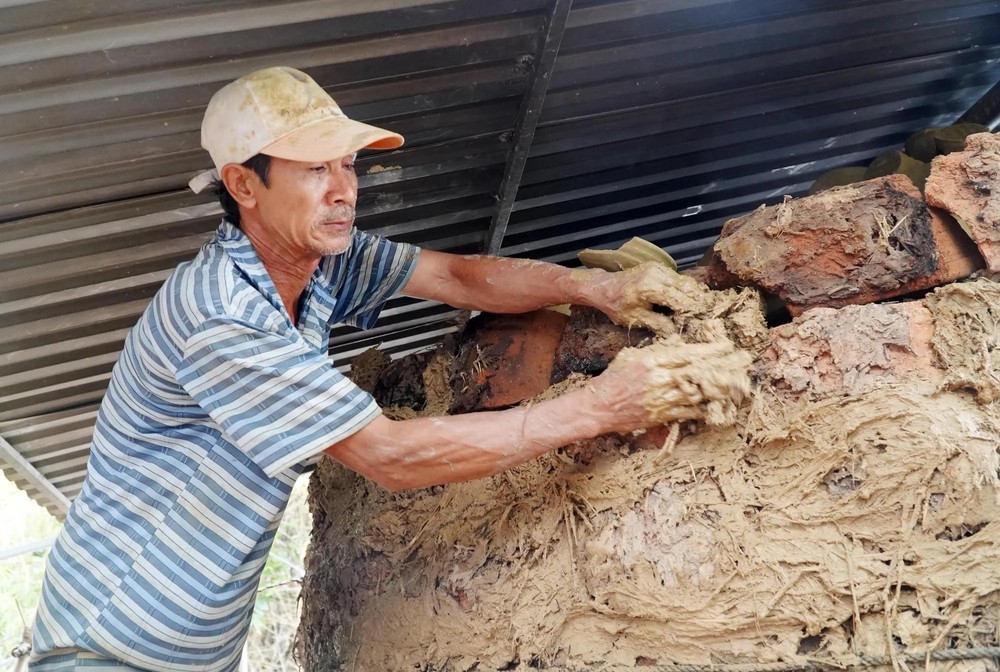
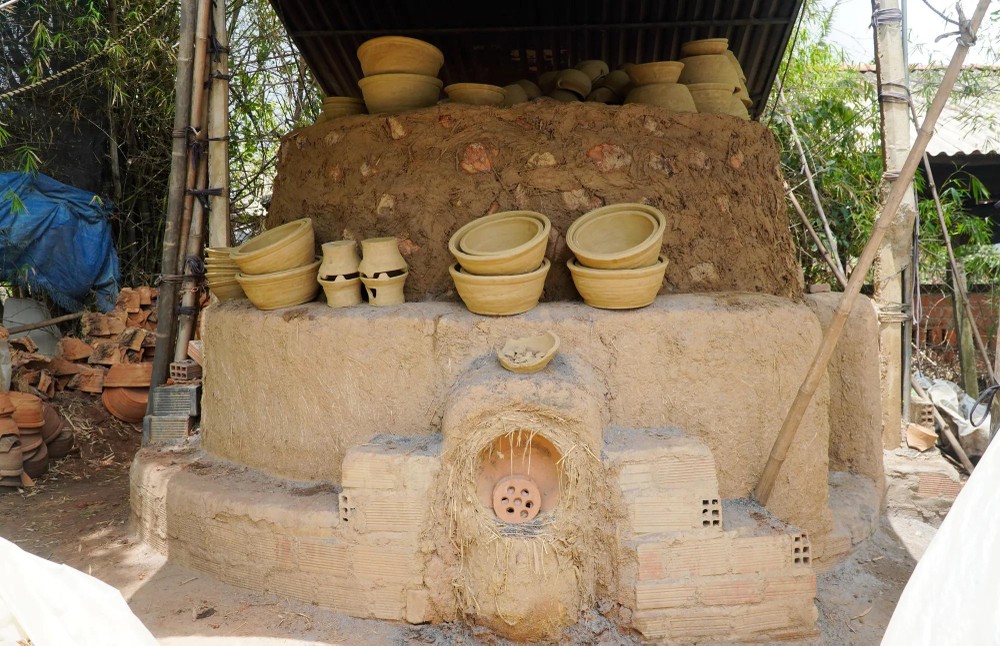
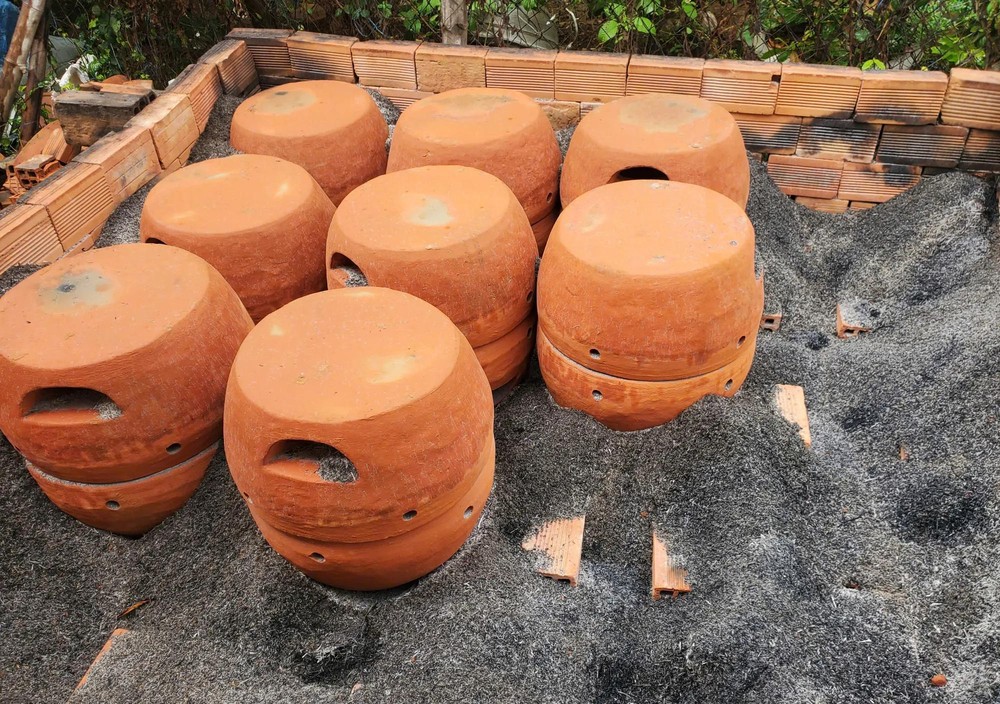
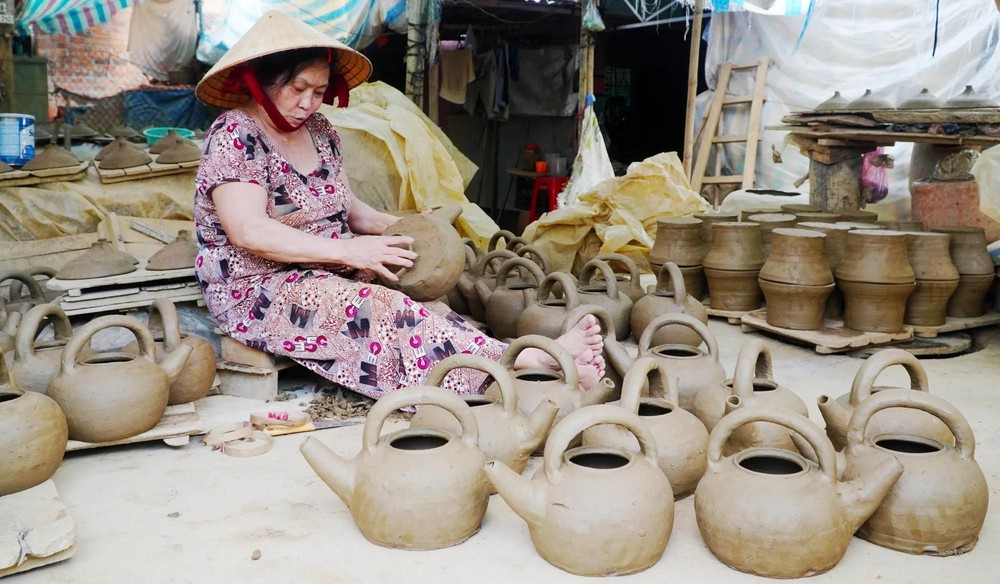
Once home to hundreds of potters, the village now has just over 10 active craftspeople. Despite the sharp decline, local pottery traditions remain deeply rooted.
Every year on the 6th day of the first lunar month, villagers gather for the Craft Ancestor Commemoration Ceremony to honor the generations who passed down the trade.
Nguyen Thanh Tam, an 87-year-old artisan with 70 years of experience, shared that securing clay for production has become increasingly difficult. Because the local authority has not yet planned a designated raw material zone, kiln owners must purchase soil from various sources at high costs, ranging from VND2.8 million (US$107) to VND3 million per truckload, while product sales remain sluggish.
"We hope the government will soon allocate land reserves to support the preservation of our craft. At the same time, offering preferential loans would allow kiln owners to upgrade technology and adapt products to market demands, the elderly artisan said.
In recent years, the village has attracted domestic and international tourists, as well as student groups seeking hands-on traditional pottery experiences. Capitalizing on this interest, the residents of Van Son - Nhan Thap hope to expand community-based tourism to sustain their heritage.