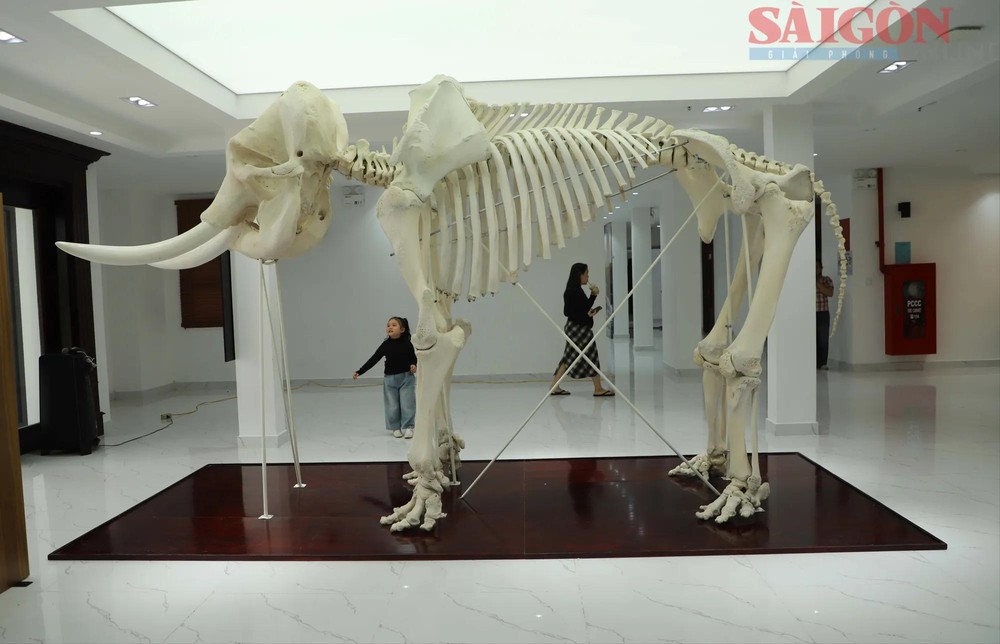
The Biology Museum in Lang Biang-Da Lat Ward, Lam Dong Province, under the Institute of Life Sciences of the Vietnam Academy of Science and Technology, is one of the spaces preserving an extensive collection of scientific materials on the ecosystems and culture of the Central Highlands.
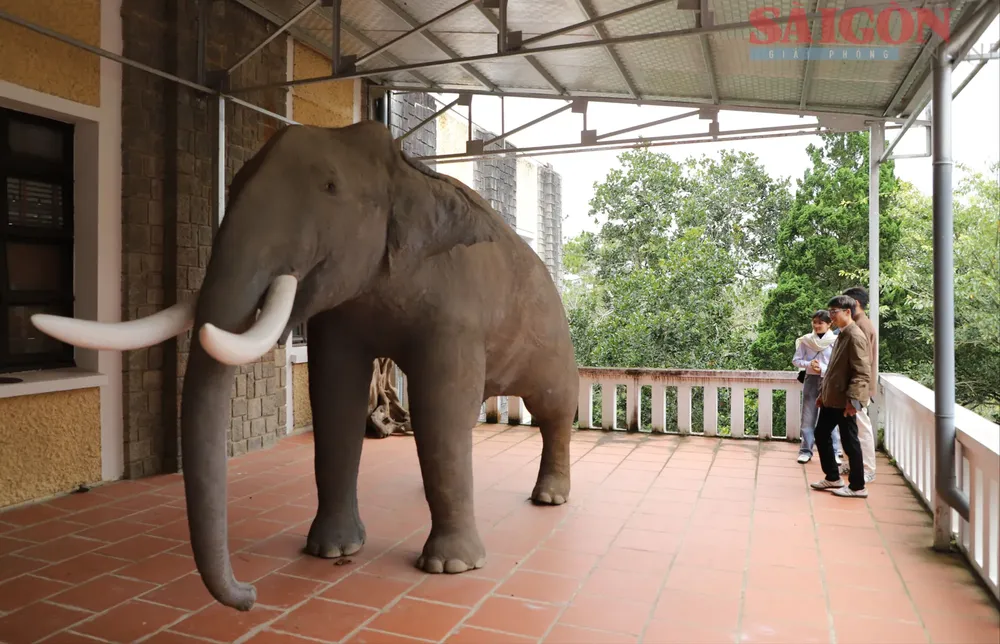
The museum currently displays more than 10,000 specimens and artifacts across four main themes that are nature and people; geology and minerals; fauna, flora and fungi; and indigenous knowledge of the Central Highlands.
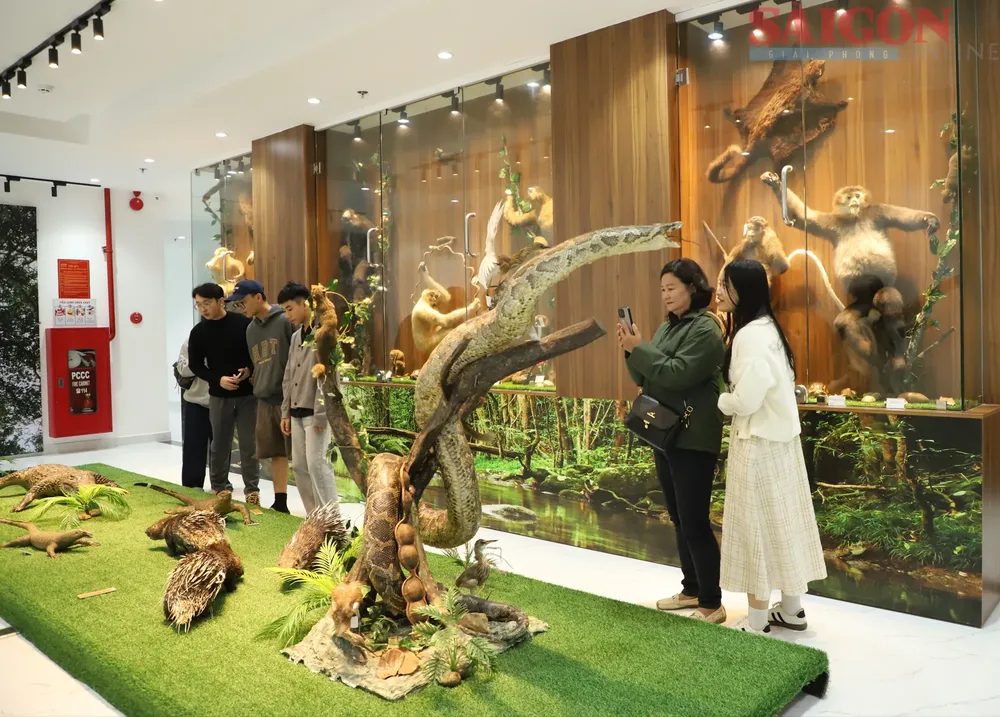
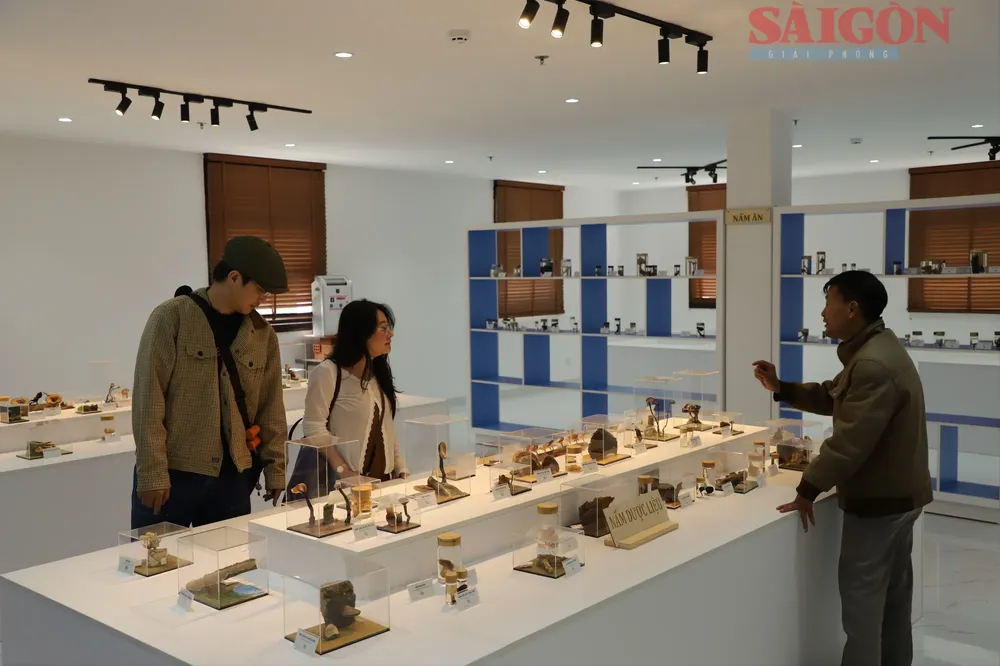
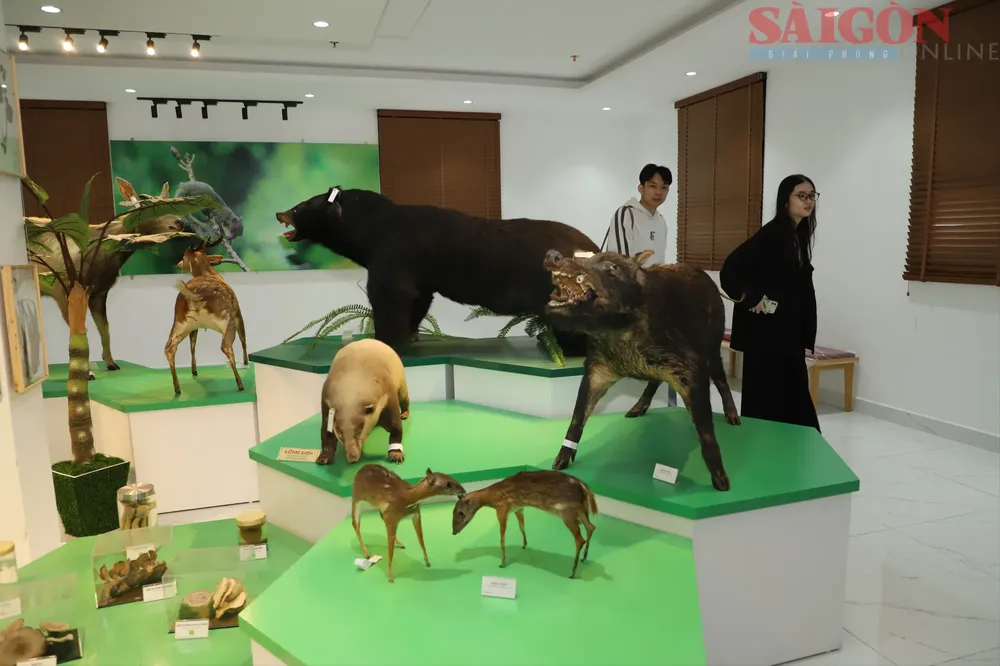
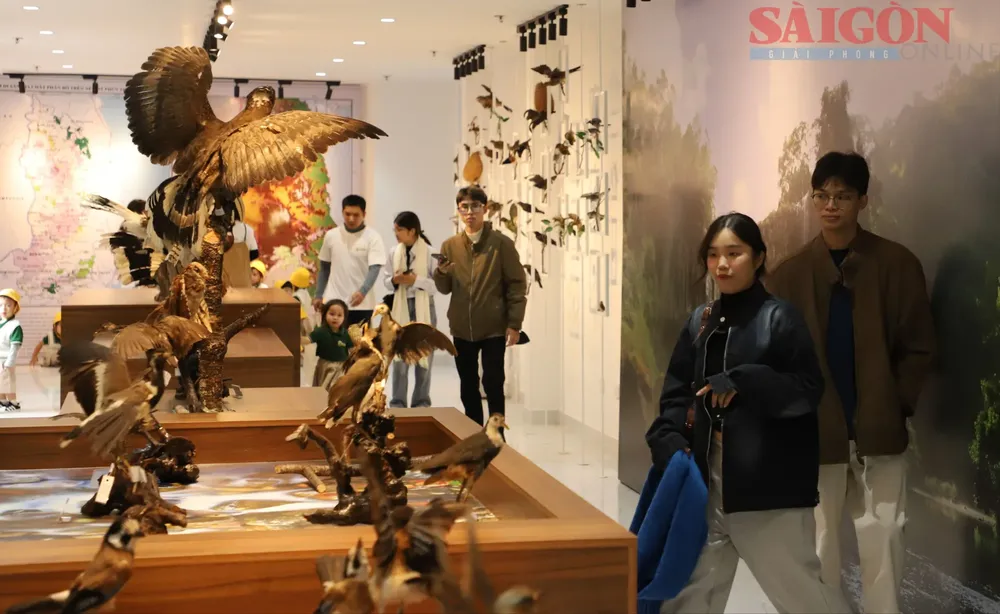
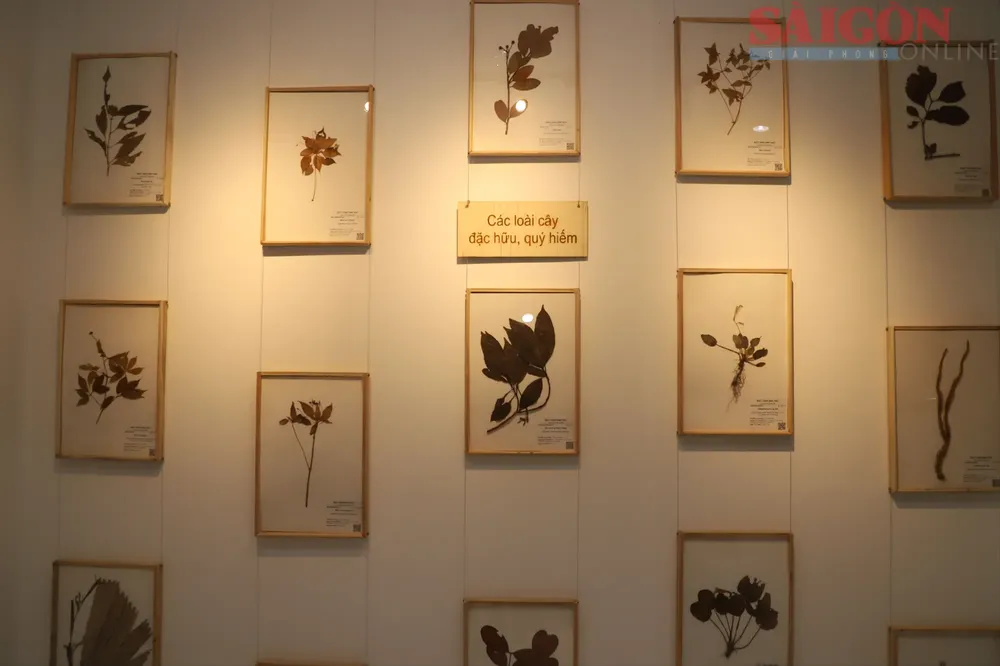
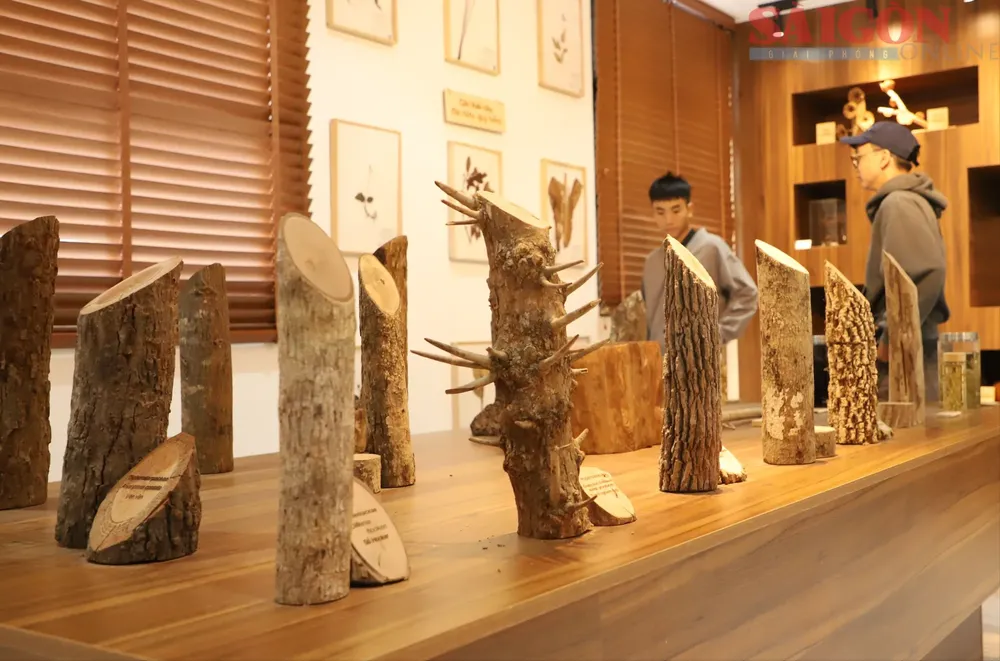
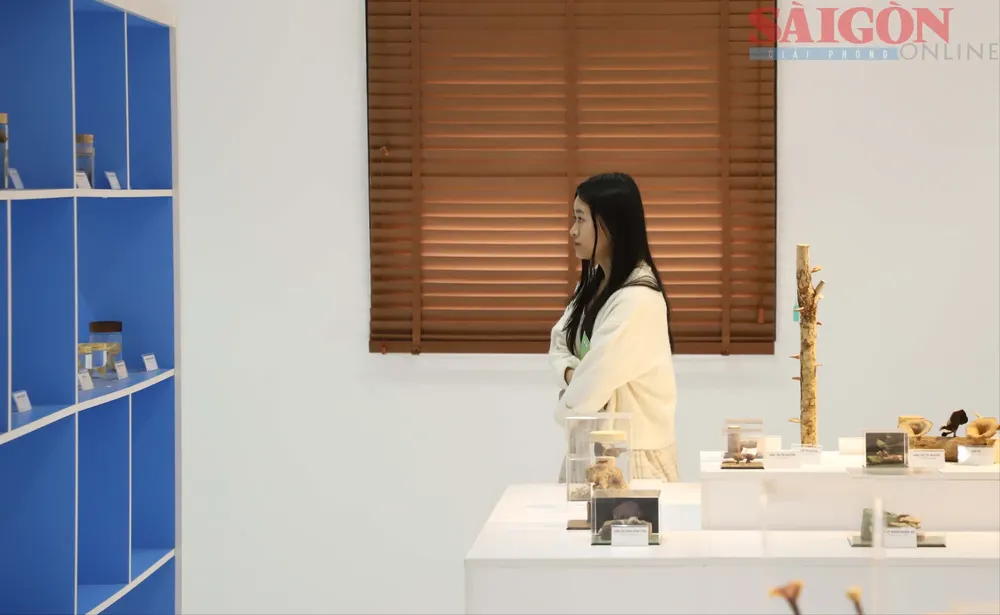
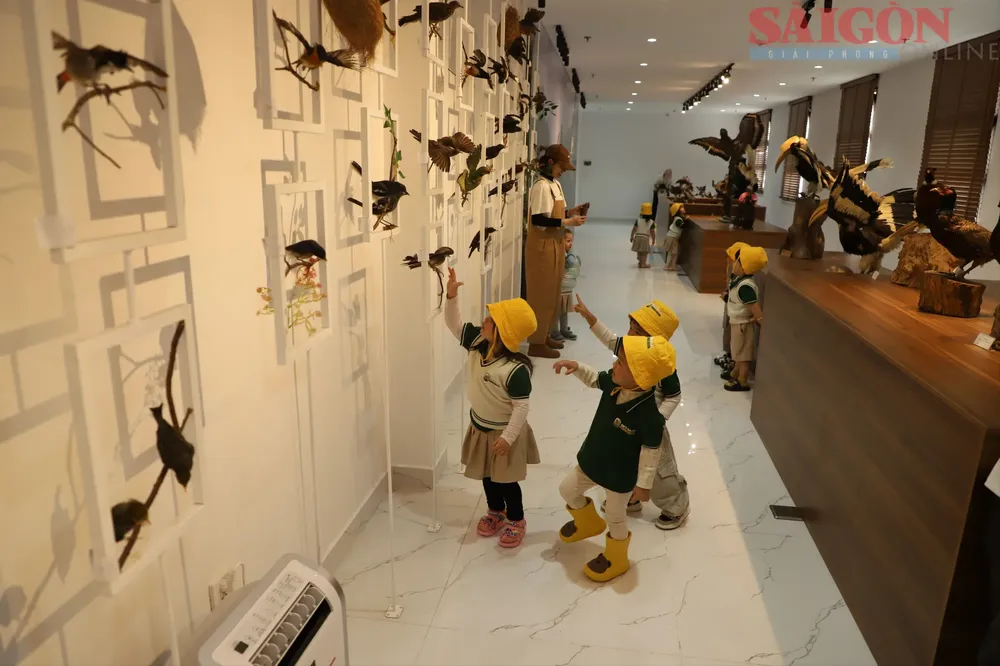
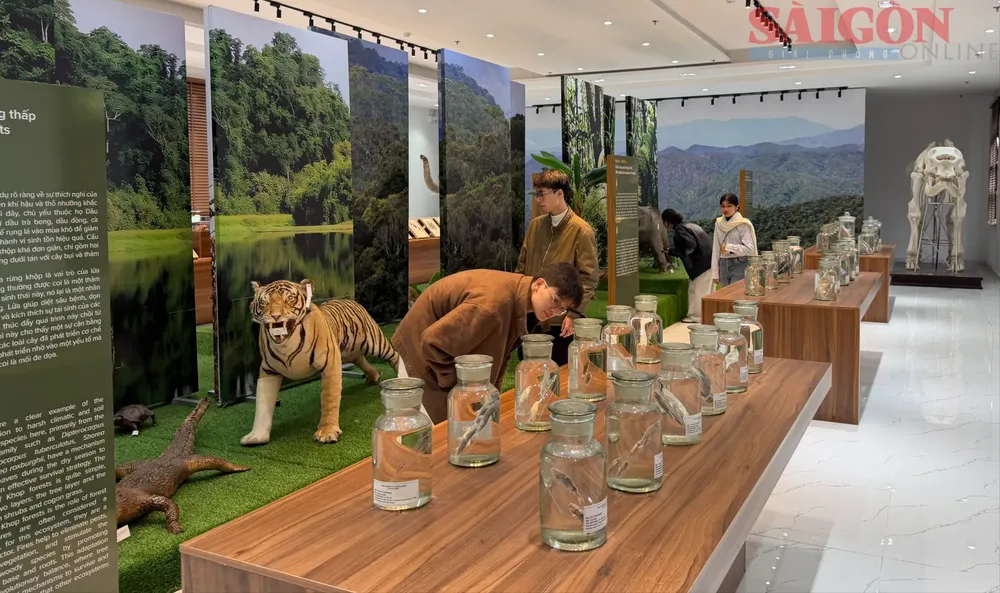
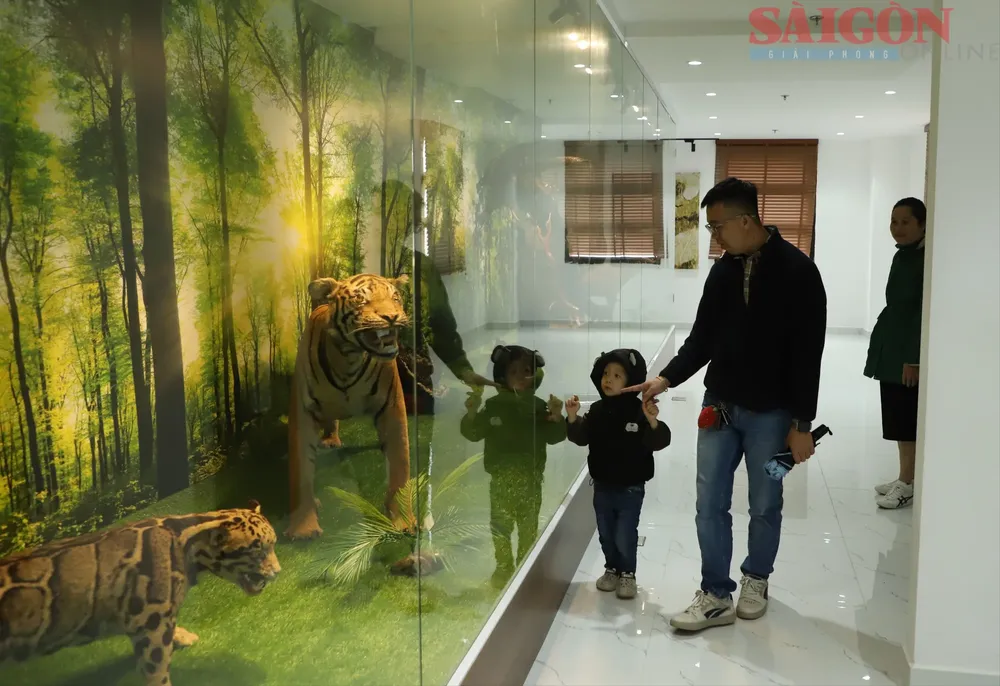
The most prominent section is the fauna, flora and fungi exhibition, which features thousands of diverse specimens and samples. Visitors can view the bones, horns and various body parts of rare animal species that once lived in the Central Highlands.
The collection also includes specimens from numerous groups, including mammals, birds, reptiles, amphibians, fish, insects, arthropods, mollusks, plants and fungi, serving research, educational and tourism purposes.
According to museum staff, producing a complete skin specimen requires numerous strict procedures. After the skin is separated from the body, all fat and soft tissue are removed before the specimen is treated with specialized chemicals to stabilize its structure, improve durability and limit the effects of weather, mold and insects.
After preservation, the specimen is reconstructed to its original form, with the aim of retaining as many of the species' natural characteristics as possible.
Each stage is carried out according to established procedures and within an appropriate period to ensure scientific quality and long-term exhibition value. The meticulous care taken at every stage helps create highly realistic specimens that effectively support research, education and the dissemination of knowledge about biodiversity.