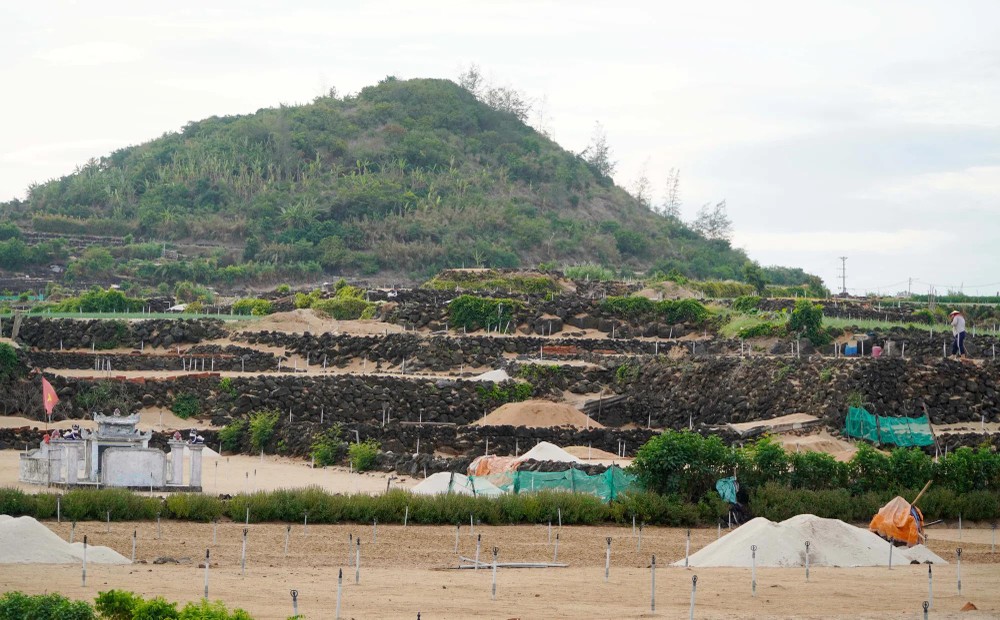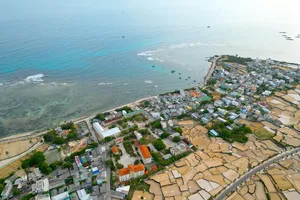
On the volcanic island of Ly Son in Quang Ngai, where cultural layers from Sa Huynh to Champa civilizations remain alongside ten ancient craters, generations of residents continue cultivating onions and garlic — a tradition that has shaped the island’s famed specialty products but now faces mounting economic and environmental pressures.
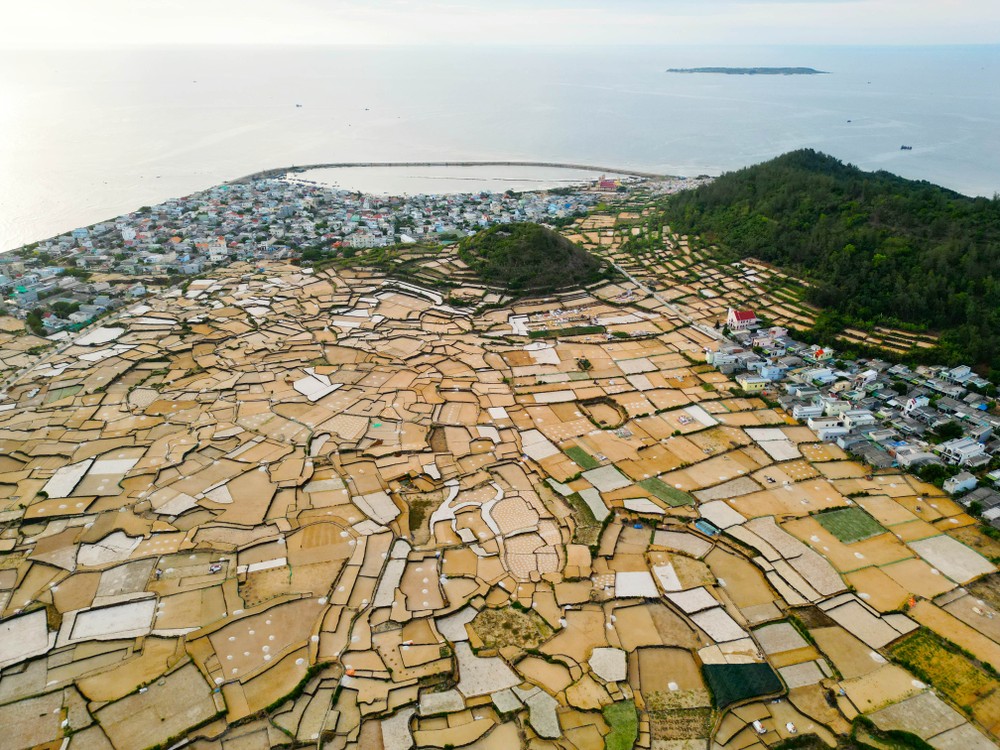
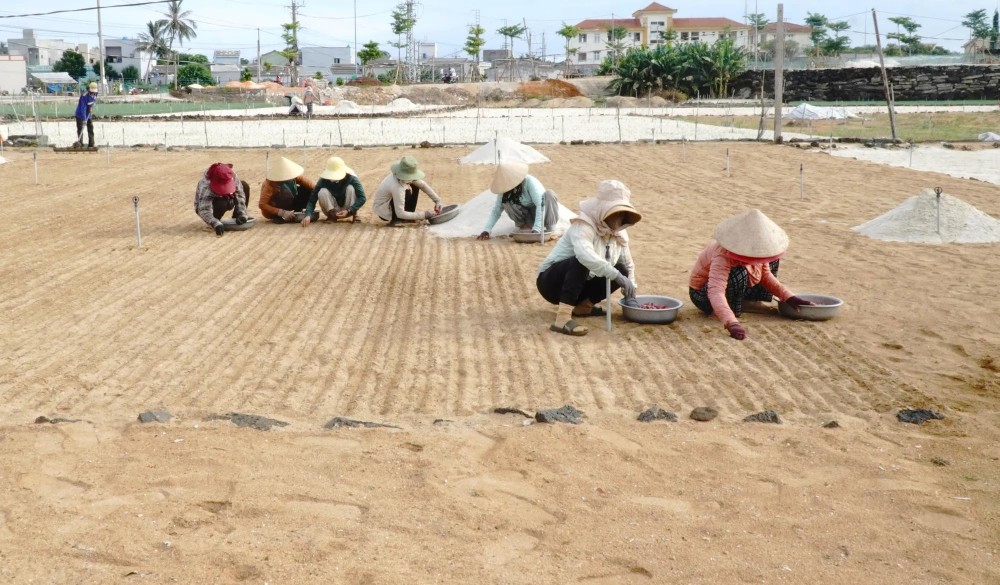
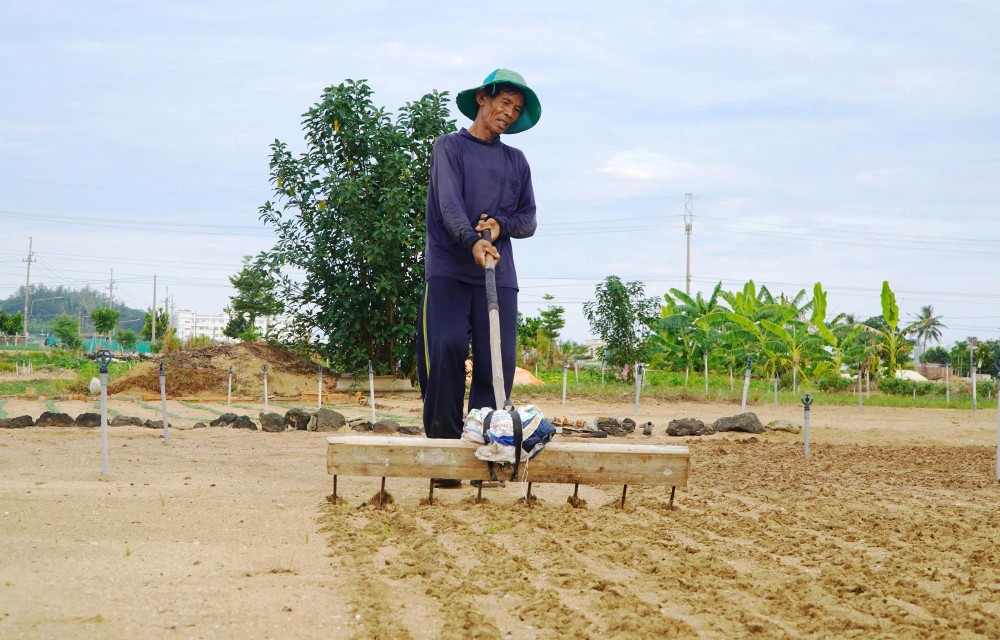
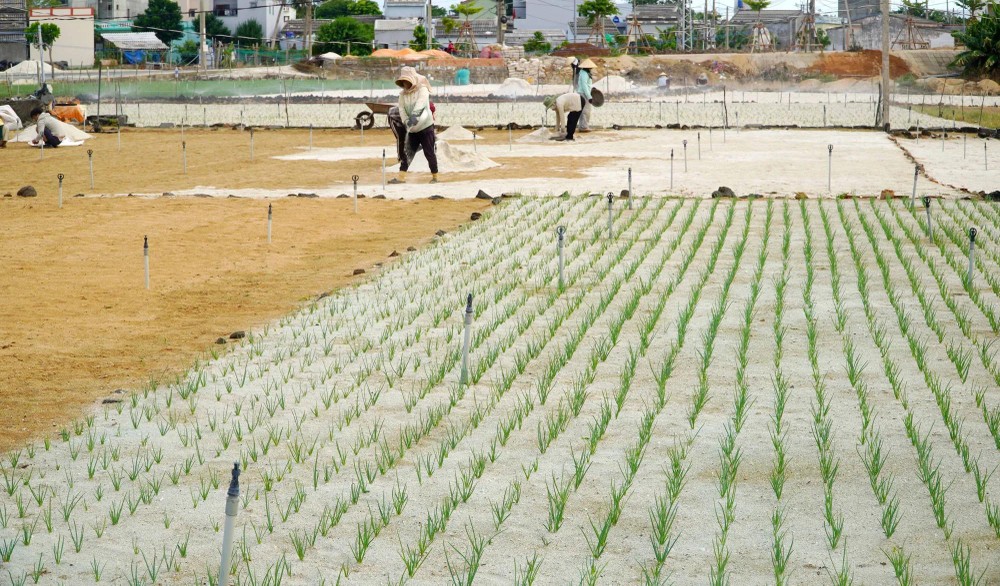
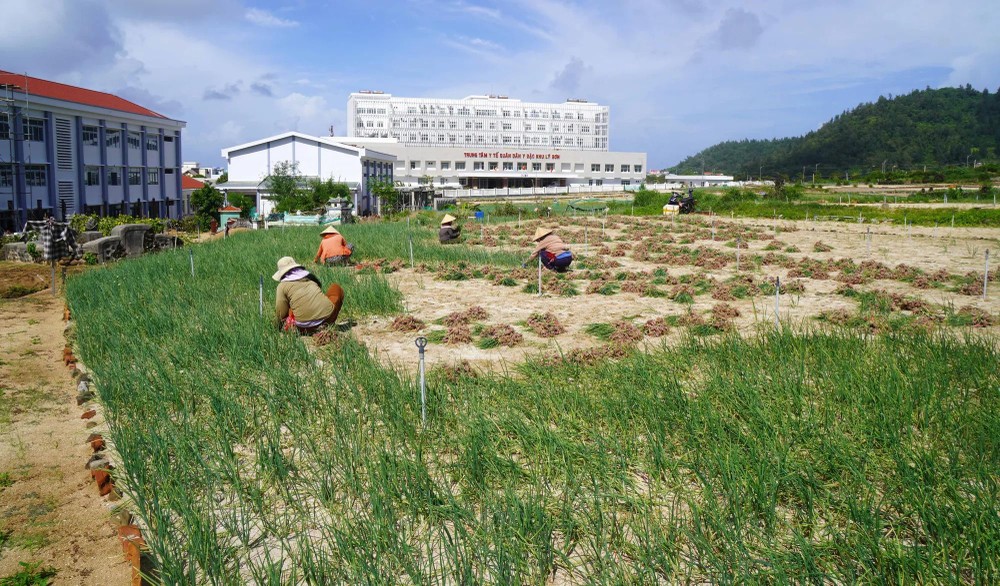
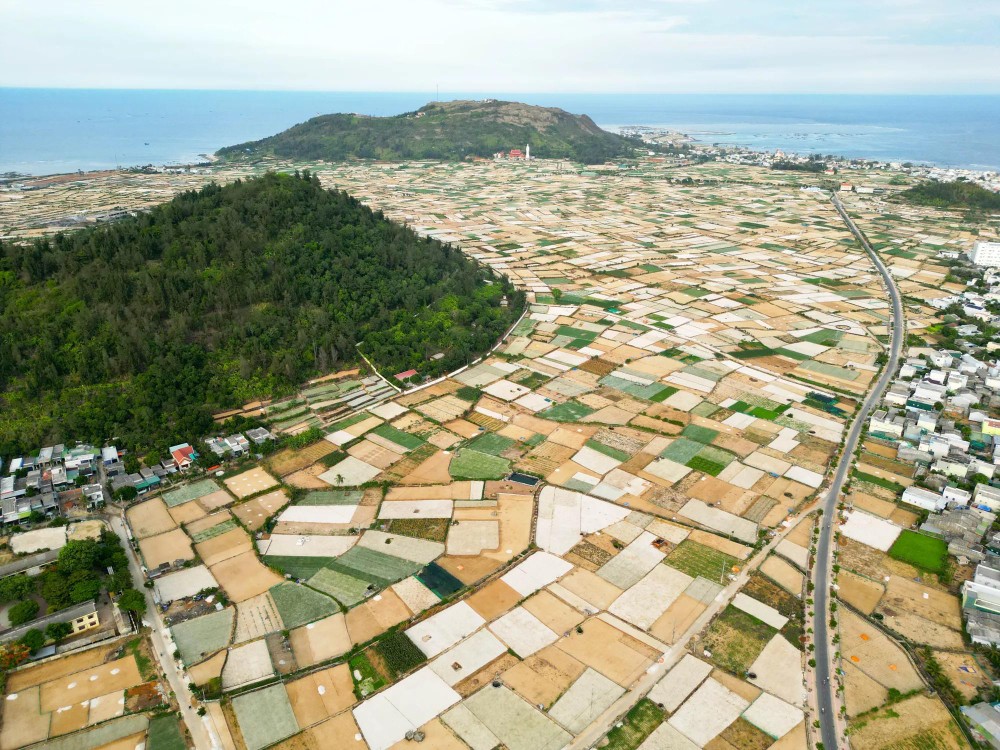
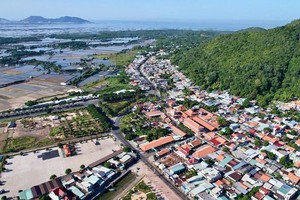
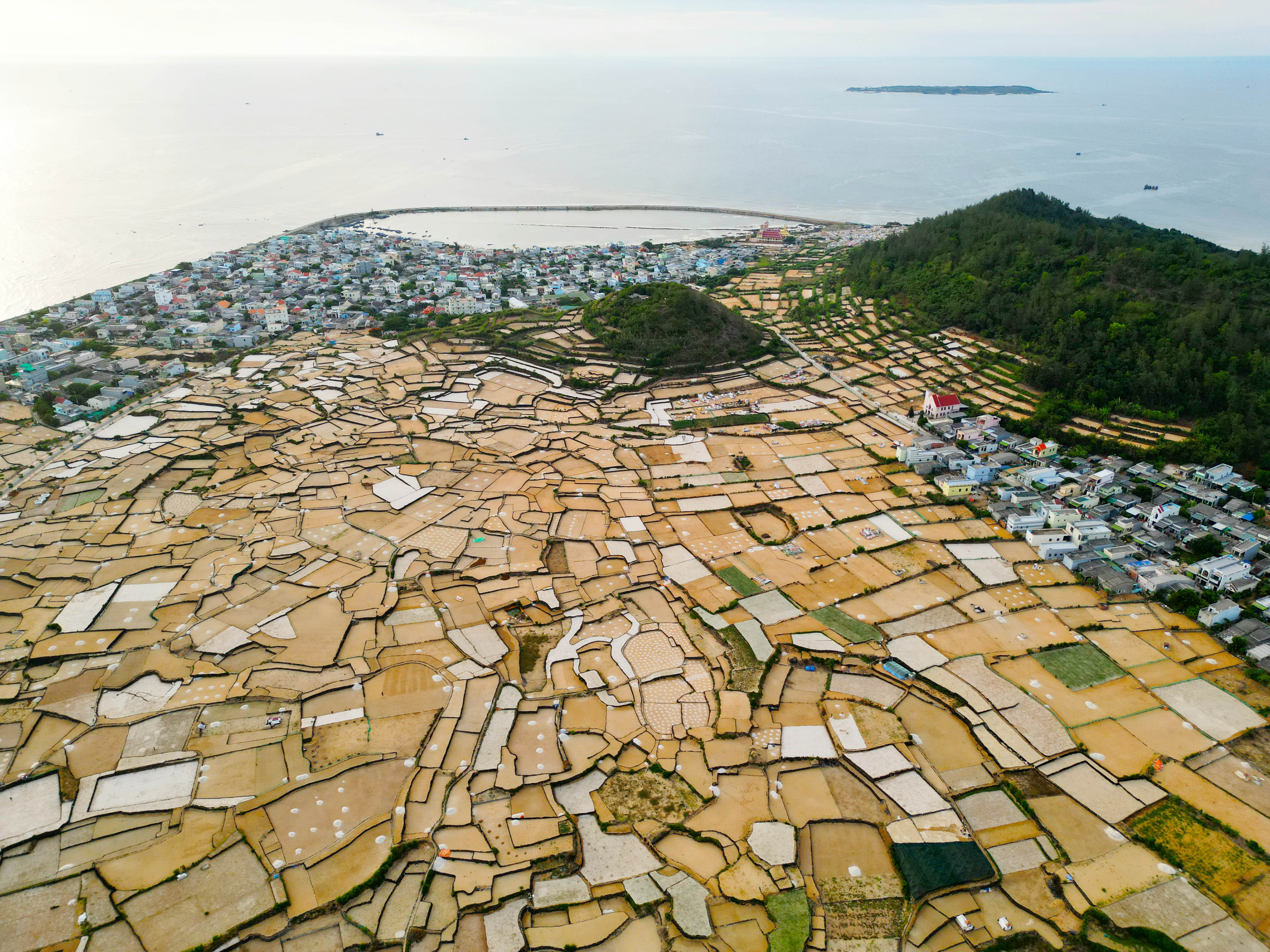
Nestled within nearly 10.4 square kilometers, Ly Son Island is home to about 24,000 people and more than 550 hectares of farmland, with 330 hectares dedicated to onions and garlic. In mid to late August 2026, farmers worked tirelessly on fields near volcanic craters, preparing soil and planting onions.
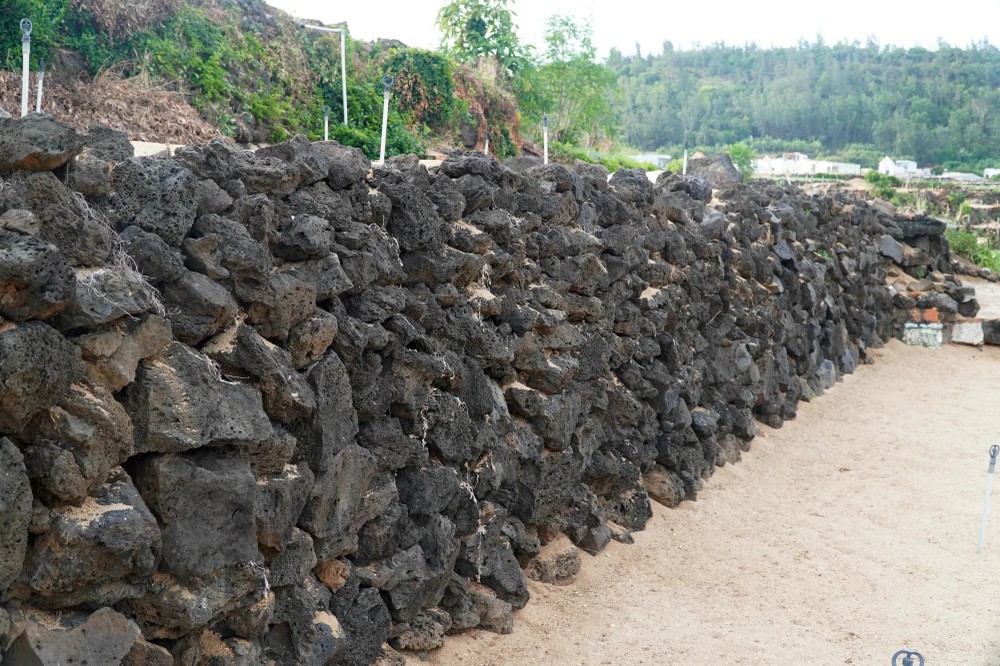
Fields here resemble terraced paddies of the Northwest, bordered by layers of laterite and volcanic rock. In Dong An Vinh Commune, many plots still preserve this ancient structure. The area also hosts the Xom Oc archaeological site, dating back about 2,500 years to the Sa Huynh culture.
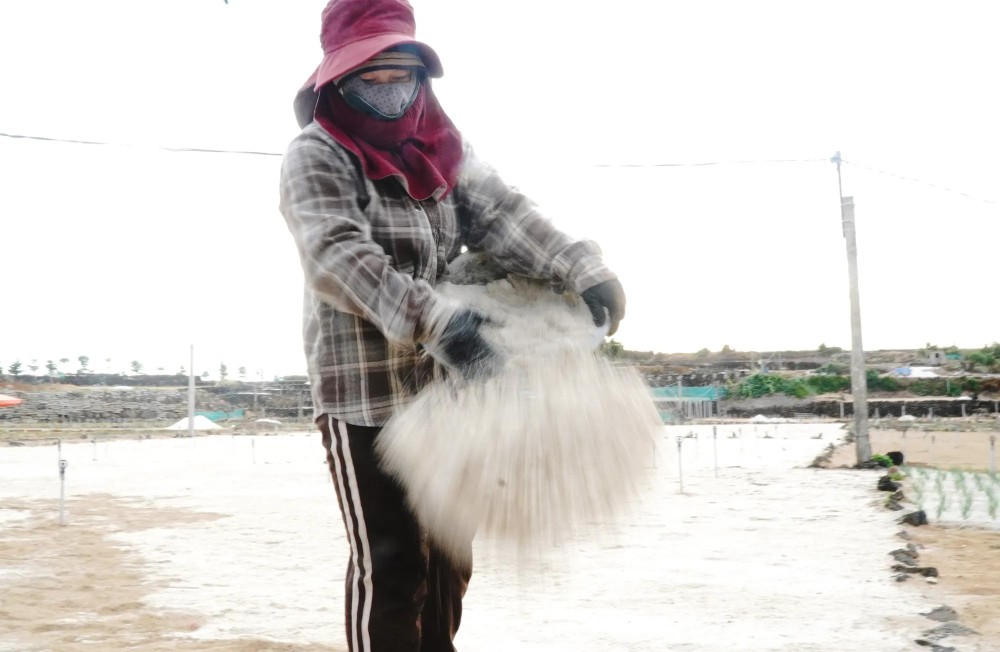
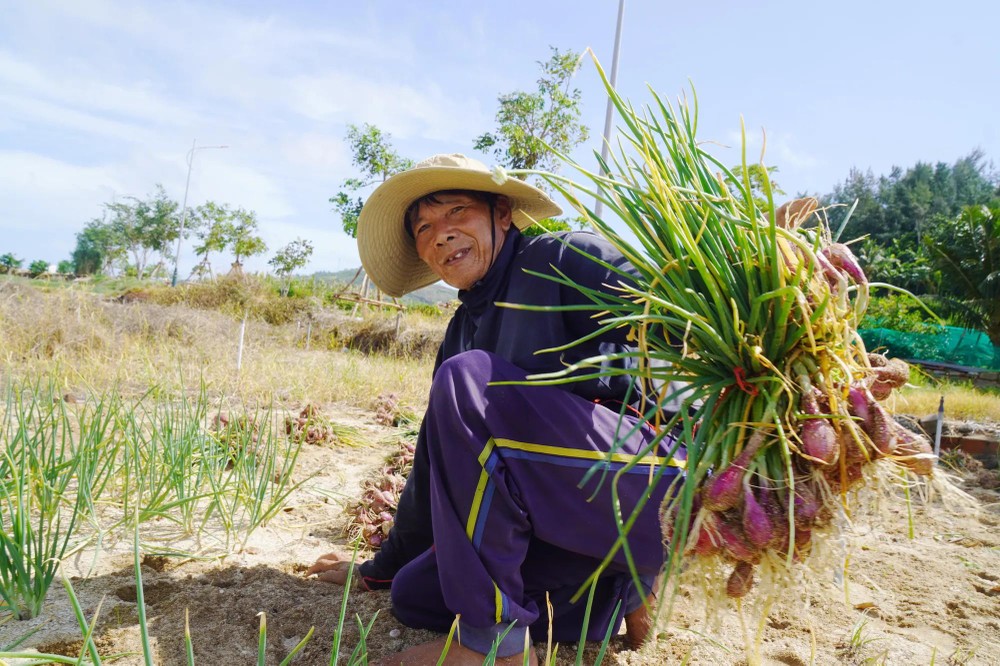
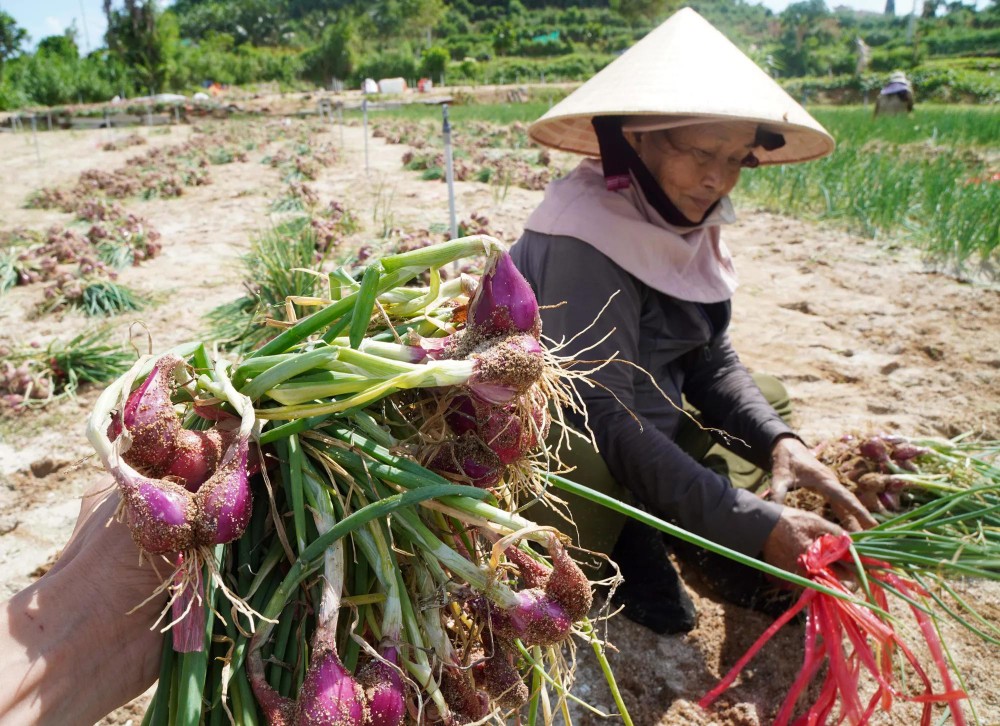
Veteran farmer Dinh Ngoc Thoai, 63, explained that garlic farming began around 350 years ago, shaped by volcanic terrain. Each year, residents grow one garlic crop lasting 4.5 months to 5 months, while onions and other vegetables fill the remaining time. “We rebuild the soil every year with four layers — volcanic earth, old seasonal soil, and a top layer of sea sand. This helps retain moisture and nutrients, ensuring stable growth and high yields,” Thoai said.
45 year old resident Dinh Thi Luom noted that Ly Son garlic has long been a prized specialty, often purchased by visitors as gifts. Among the most valuable is single clove garlic (or solo garlic) - a rare single-clove variety fetching millions of Vietnamese dong per kilogram. “It’s not something you can plant intentionally. Each plot may yield only 5–10 kilograms, making it highly prized and even considered medicinal,” she said.
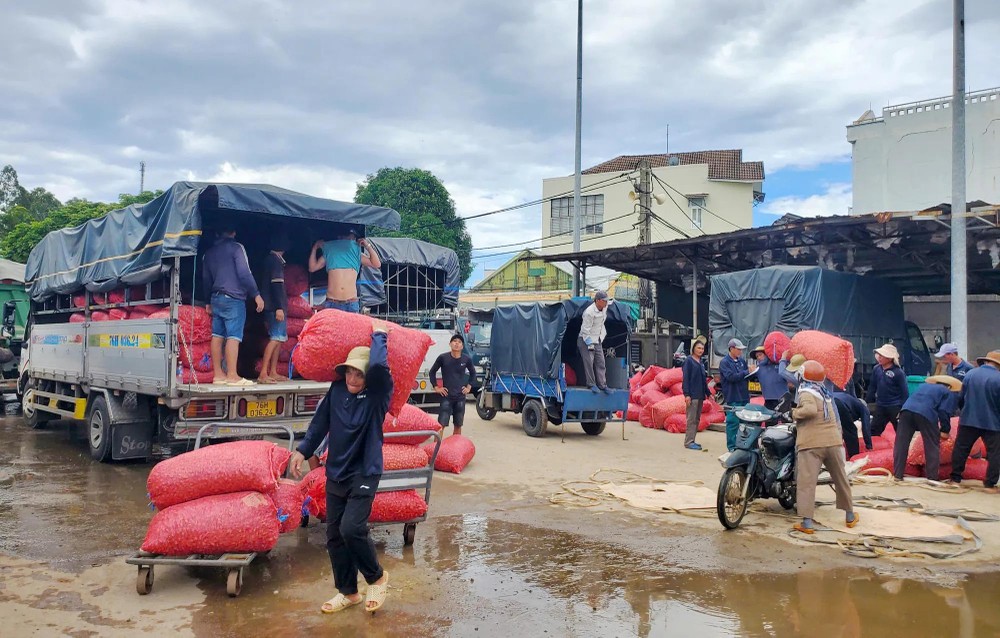
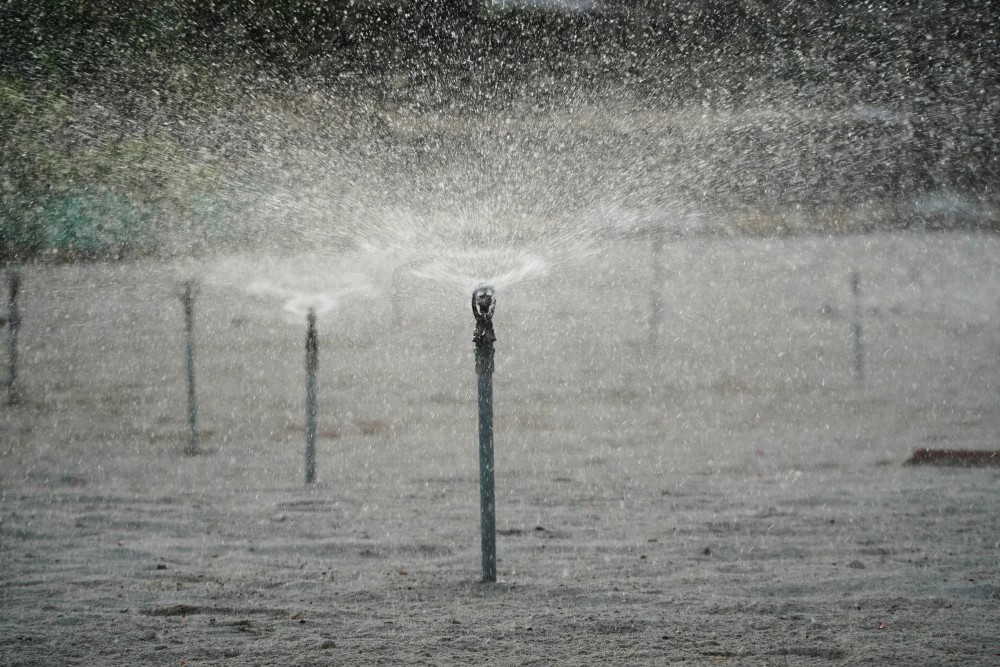
Old farmer Dinh Ngoc Thoai cultivates 10 plots of onions and garlic, producing 4–5 tons of garlic per season when successful, earning over VND200 million at VND50,000–VND55,000 per kilogram. Yet costs remain high including costs of irrigation, labor, soil renewal, and transport while natural disasters such as storms, flooding, and sea fog threaten crops. The old farmer moaned that local residents' biggest worry is unstable prices. Garlic once sold for over VND100,000 per kilogram, now only VND40,000–VND50,000. Without protection, the market is risky.
Entrepreneur Nguyen Van Nhat, founder of the Phu Sinh clean garlic brand, sees potential in linking farming with tourism. He is developing value-added products under the OCOP (One Commune, One Product) program, aiming to elevate Ly Son garlic to a national five-star standard.
Director Huynh Ngoc Dung of the Ly Son Marine Protected Area cautioned that current farming practices, especially using coral sand and volcanic soil, affect the island’s ecosystem. He emphasized that in the long run, local authorities must limit overuse of coral sand and volcanic soil by supporting farmers in adopting circular, organic, and microbial agriculture for sustainable production.