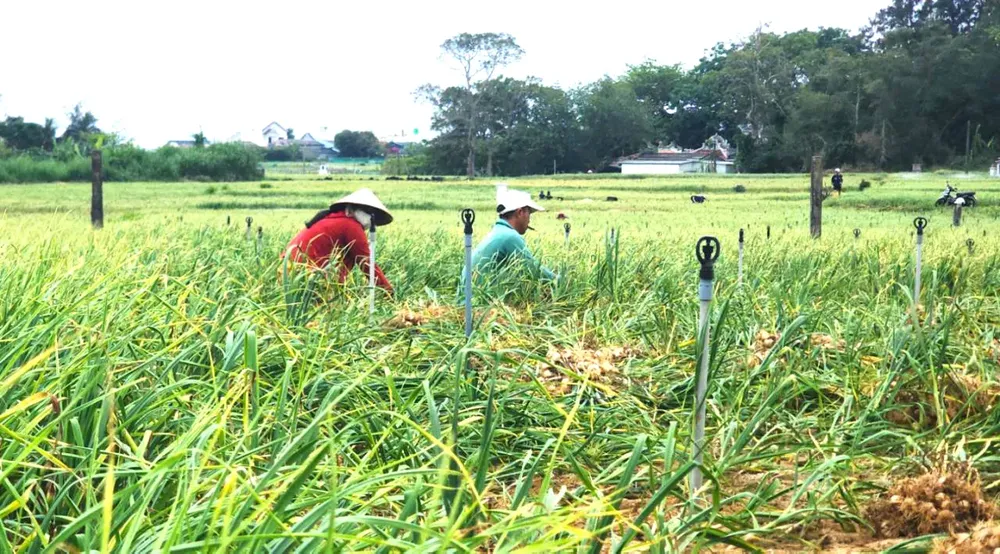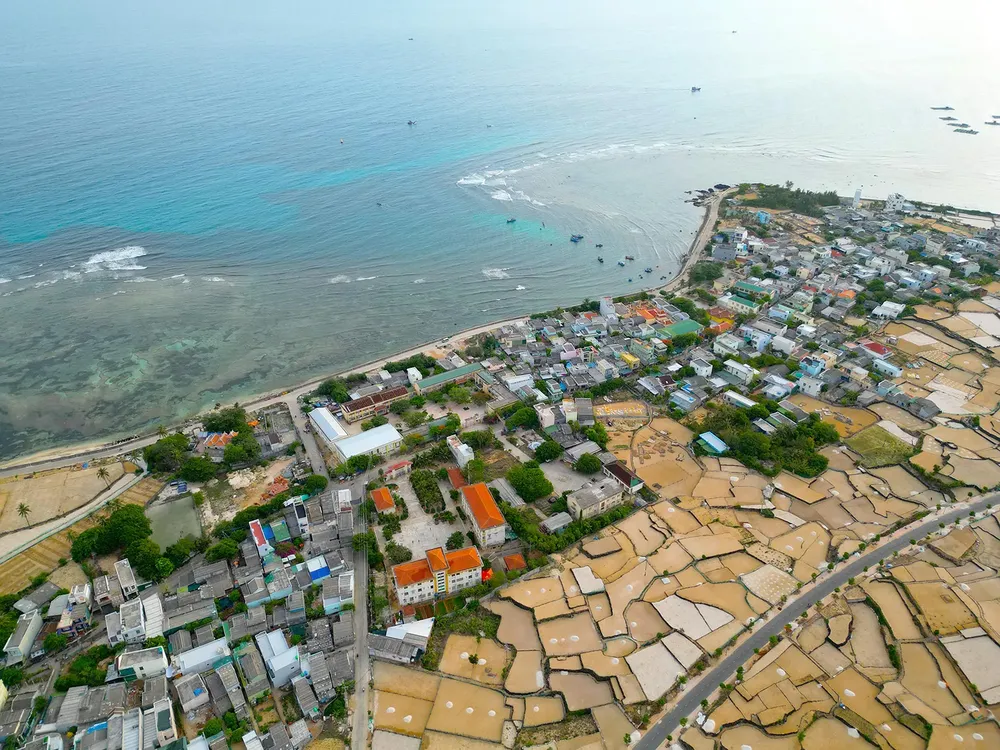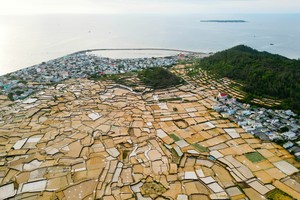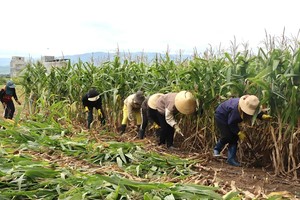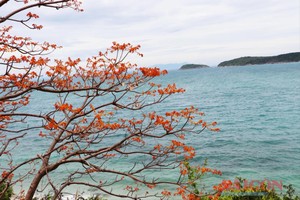
From garlic fields cultivated on volcanic soil to coral reefs beneath the surrounding waters, nature has created an ecosystem deeply intertwined with the lives and livelihoods of the people of this outpost island.
Ly Son is also home to millions-of-years-old volcanic formations and historical stories of safeguarding Vietnam’s seas and islands, closely associated with the Hoang Sa and Bac Hai flotillas.
Under development plans, Ly Son is set to become a national tourism destination by 2030, with the goal of developing it into one of the country’s leading marine and island tourism hubs by 2045. Amid mounting pressure from urbanization, tourism development, and marine-based livelihoods, protecting the island’s ecosystems has become increasingly urgent.
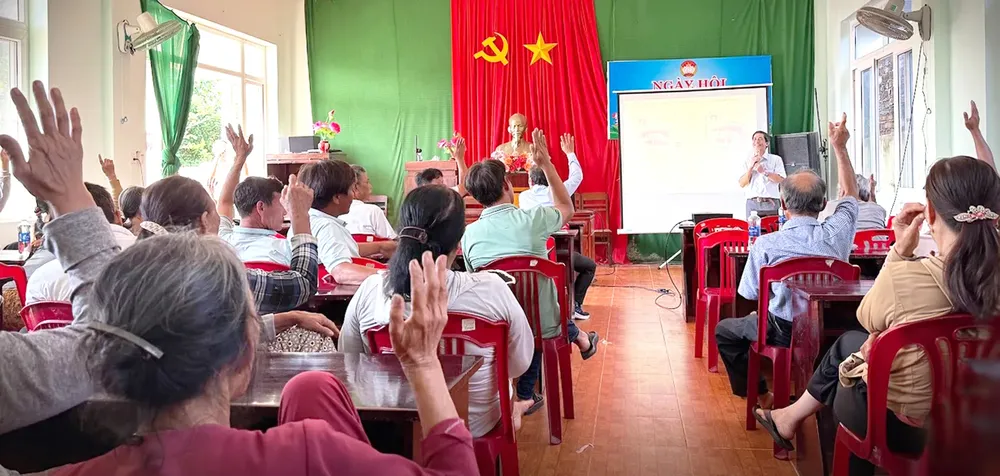
After nearly a decade of operation, the Ly Son Marine Protected Area has brought together residents, young people, border guards, coast guard officers, and military personnel in a collective effort to preserve the island’s natural greenery.
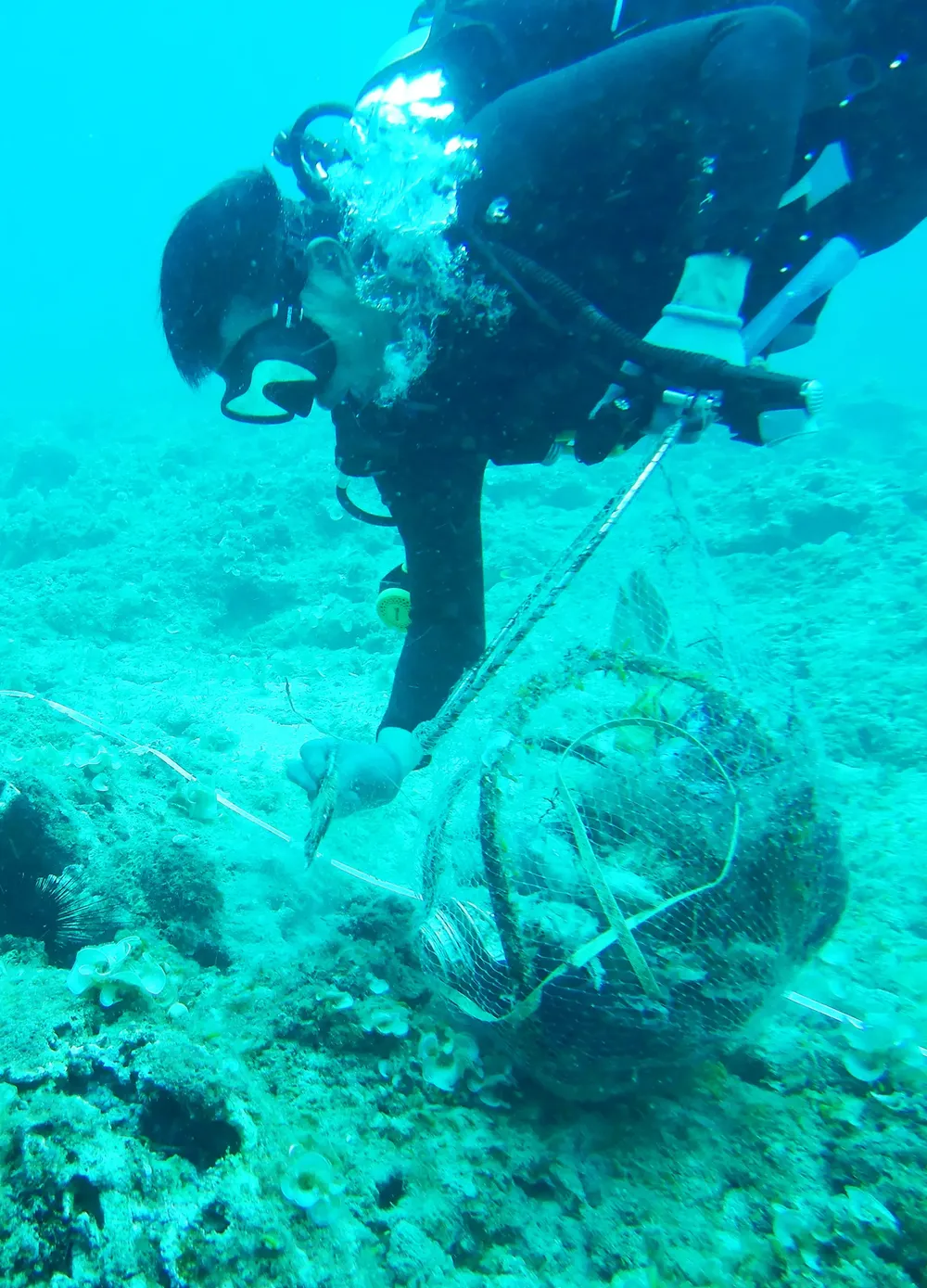
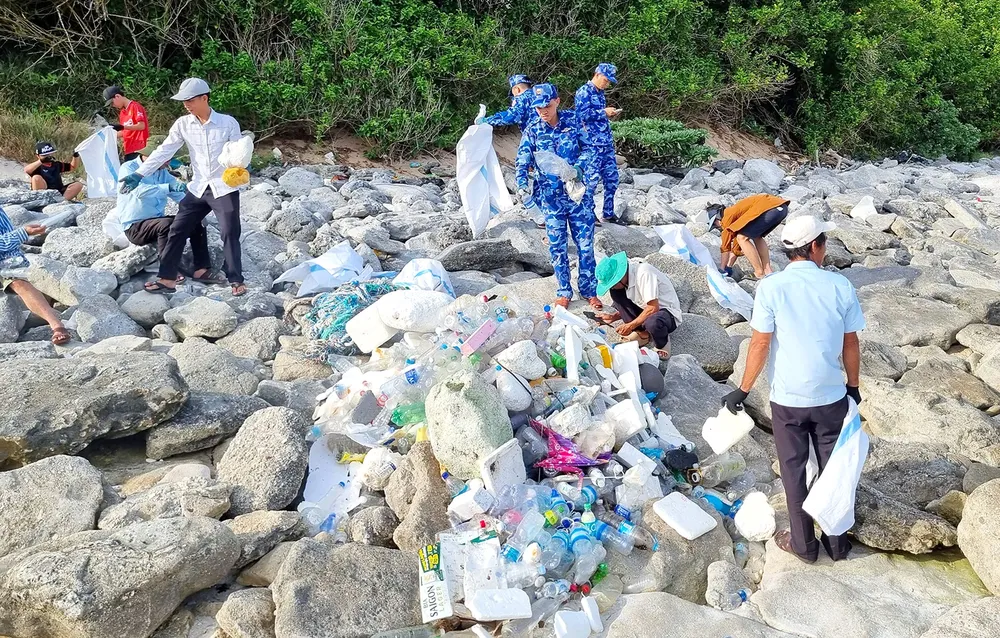
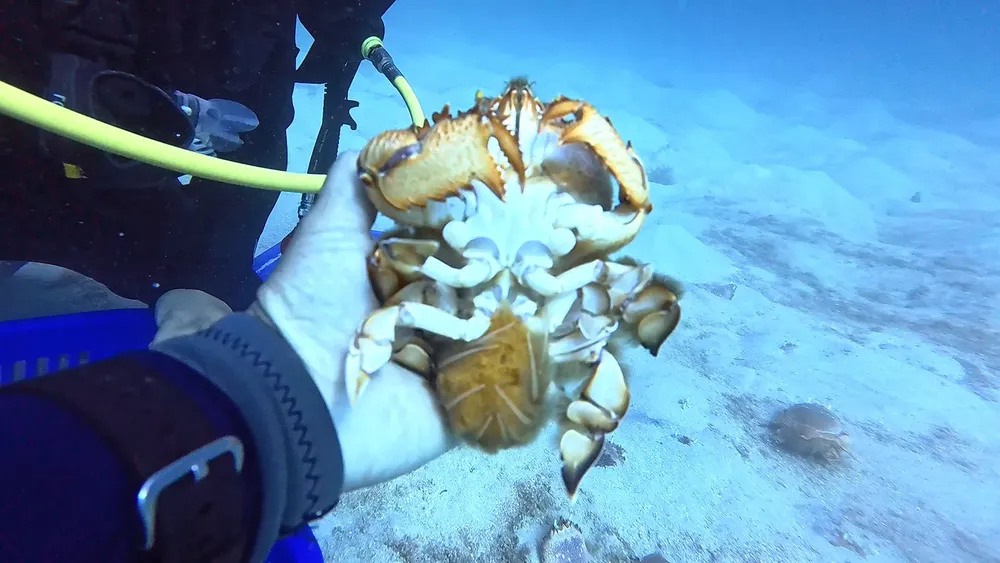
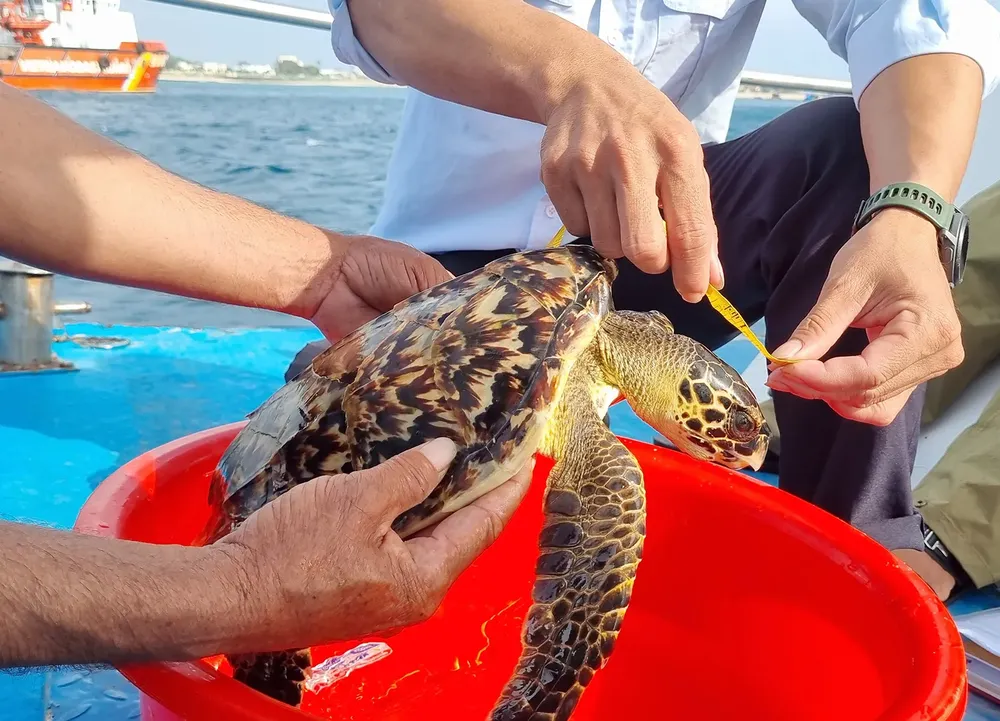
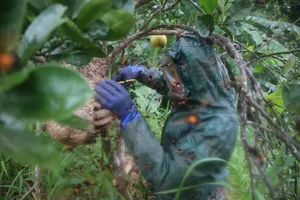
From conducting “health checks” on coral reefs and seagrass beds to collecting waste, from conserving genetic resources and rare marine species to gradually promoting green and circular production practices in garlic farming, Ly Son is moving toward a more harmonious balance between conservation and livelihoods.