The Vietnam Association of Seafood Processing and Export (VASEP) today announced that aquatic product exports to the United States in January 2026 reached only over US$96 million, a decrease of nearly 10 percent compared to the same period last year.
According to VASEP, although Vietnam's aquatic product export value in January 2026 reached approximately US$874 million, an increase of nearly 13 percent compared to the same period last year, this growth mainly came from the Chinese, Japanese, and ASEAN markets.
The US market which is one of the largest export markets for Vietnamese seafood recorded a significant decline. The main reason is not due to market demand, but rather to new obstacles related to procedures and technical documents during customs clearance.
Specifically, from the beginning of 2026, aquatic product exports to the United States will be required to have a Certificate of Analysis (COA) as stipulated in Circular 74/2025/TT-BNNMT. However, the process of issuing and evaluating COAs is not yet fully synchronized, while the required documentation includes many technical documents, which must be translated into English and completed according to US standards. This has caused considerable confusion for many businesses, prolonging the preparation time and directly affecting export schedules.
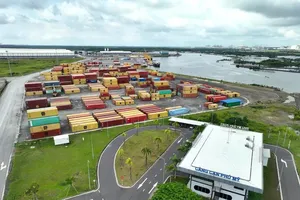
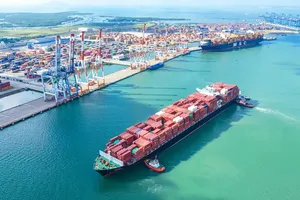
In reality, many seafood shipments have arrived at US ports but are awaiting customs clearance due to incomplete documentation according to the new regulations. The goods being "stuck" at the port not only incurs storage and warehousing costs but also causes businesses to worry about the potential disruption to their delivery plans in the following months.
According to VASEP, tuna and other harvested aquatic species are most significantly impacted by the new COA regulations. Meanwhile, some shrimp exporting businesses have proactively arranged for earlier deliveries in late 2025 to mitigate risks entering 2026.
This development shows that, although overall aquatic product exports continue to grow, new procedural barriers in the US market are posing significant challenges, forcing businesses to quickly adapt to avoid widespread impacts on export activities in the coming period.