The Ministry of Industry and Trade (MoIT) convened a high-level forum in the Northern border province of Lang Son on Saturday to bolster cross-border fresh fruit supply chains between Vietnam and China.
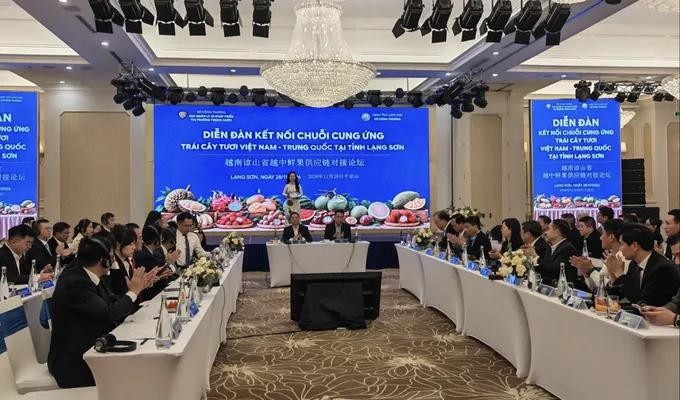
Organized by the ministry's Agency for Domestic Market Surveillance and Development, the event focused on addressing logistical bottlenecks and modernizing agricultural trade with Vietnam’s largest export market.
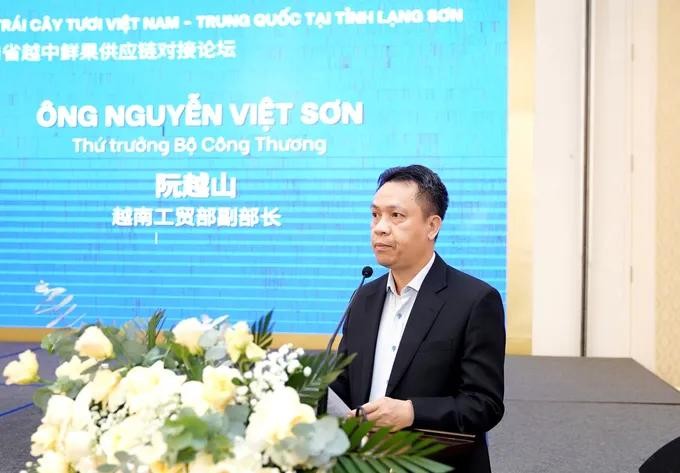
Addressing delegates, Deputy Minister of Industry and Trade Nguyen Viet Son emphasized the Government's commitment to building an integrated, modern, and sustainable supply chain that links domestic farming hubs directly with end-consumer markets.
According to the MoIT, upgrading trade and logistics infrastructure is critical to preserving produce quality, accelerating distribution, and lowering overhead costs for exporters. Ministry officials identified four priority areas for targeted investment inclulding wholesale markets, regional logistics hubs, cold storage networks, and trade support services.
To facilitate this expansion, the ministry is revising regulatory frameworks governing market management and accelerating infrastructure development along key border gates to attract private-sector investment and streamline the circulation of goods.
Industry experts at the forum underscored that because fresh produce has a short shelf life and high sensitivity to temperature fluctuations, export operations require strict end-to-end synchronization. From cultivation and harvesting to packaging, quarantine, and customs clearance, any breakdown along the chain risks compromising product quality and eroding exporter profitability.
During the forum, participating businesses discussed the demand for fruit imports and exports between Vietnam and China, explored solutions to improve the efficiency of cargo handling and distribution, addressed the development of logistics in border areas, and reviewed the latest quality standards, food safety regulations, and technical requirements for fruit exports. Delegates also exchanged ideas on the sustainable development of the durian sector and other key fruit products in which Vietnam holds a competitive advantage.
Through this forum, the Ministry of Industry and Trade aims to strengthen connections among regulatory authorities, local governments, and the business communities of Vietnam and China. The initiative seeks to facilitate supply-demand matching, develop trade and logistics infrastructure, and streamline the export of agricultural products.
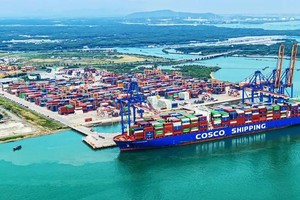
Lang Son serves as a vital gateway for trade, linking domestic production regions with the Chinese market. It is also situated along the Nanning – Lang Son – Hanoi – Haiphong economic corridor. According to Doan Thanh Son, Vice Chairman of the Lang Son Provincial People’s Committee, the province handles an average of approximately 2,000 import-export vehicles per day, a figure that can exceed 2,300 during peak periods with vehicles transporting agricultural products accounting for over 70 percent of this volume.
In the first 11 months of 2026, the total import-export turnover passing through Lang Son’s border gates reached nearly US$118.3 billion, representing approximately 10 percent of Vietnam’s total national import-export turnover. This scale of trade underscores Lang Son’s pivotal role in Vietnam-China commercial connectivity, while also highlighting the urgent need to develop border gate infrastructure, cold storage facilities, and logistics networks to meet the demands for the transport and preservation of agricultural products.