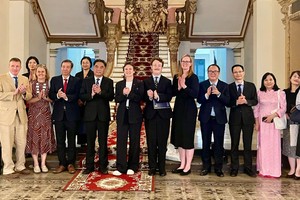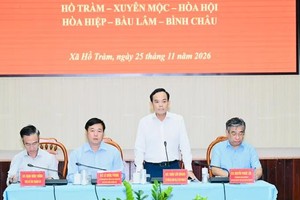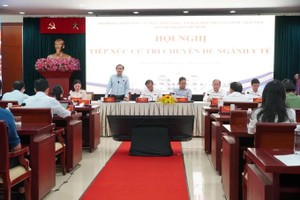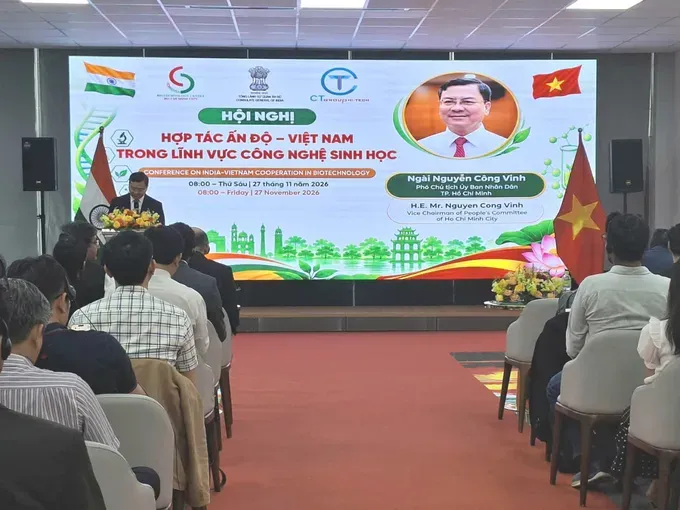
The conference was attended by Dr. Rajesh S. Gokhale, India's Secretary of the Department of Biotechnology under the Ministry of Science and Technology; Nguyen Cong Vinh, Vice Chairman of the Ho Chi Minh City People's Committee; and representatives of businesses from both countries.
Addressing the conference, Vice Chairman of the Ho Chi Minh City People's Committee Nguyen Cong Vinh emphasized that 2026 marks the 10th anniversary of the establishment of the Vietnam-India Comprehensive Strategic Partnership. The two countries' senior leaders have agreed to expand cooperation in biotechnology and pharmaceuticals through joint research and the development of research and development (R&D) centers.
According to Mr. Nguyen Cong Vinh, Ho Chi Minh City has allocated VND12.7 trillion (equivalent to US$500 million) from its 2026 budget for scientific and technological research and development. The city is also accelerating the completion of its scheme on biotechnology development and application through 2030, with a vision to 2045.
The city attaches particular importance to cooperation with India, a partner with strong capabilities in biotechnology and the pharmaceutical industry, as well as extensive experience in commercializing research outcomes.
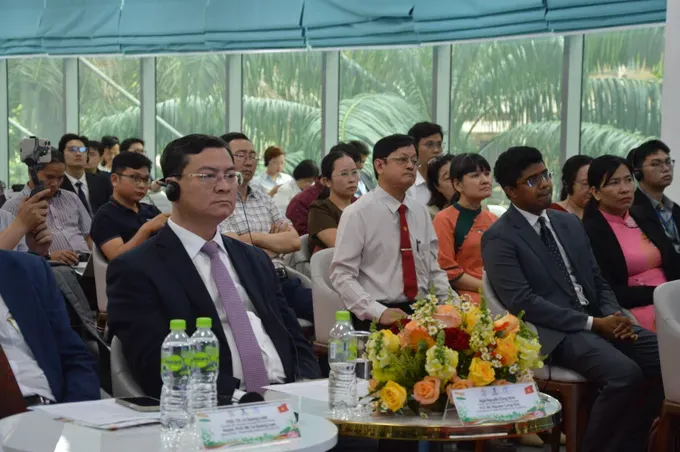
Deputy Director of the Ho Chi Minh City Biotechnology Center, Le Quang Luan, said the global biotechnology market is projected to reach US$5 trillion, with the sector becoming increasingly integrated with artificial intelligence (AI), big data, and synthetic biology.
Combining India's strengths in next-generation genetic engineering technologies and its experience in commercializing gene-edited crops with Vietnam's genetic resources and agricultural cultivation areas could pave the way for breakthrough crop varieties that are salt-tolerant, drought-resistant, and capable of reducing greenhouse gas emissions.
At the conference, experts noted that combining Vietnam's tropical medicinal resources, including Ngoc Linh ginseng, Crinum latifolium (pink-striped trumpet lily), and codonopsis (known as dang shen or poor man's ginseng), with India's technological strengths in biopharmaceuticals (biosimilars), active pharmaceutical ingredients (APIs), and traditional herbal medicine technologies (Ayurveda) could deliver high-quality healthcare products to global markets.
)