Recently, a series of unauthorized websites offering films, novels, music, and other content have successively ceased operations. The tightening of intellectual property (IP) rights enforcement has driven a noticeable shift in the distribution of online entertainment content. Thereby, it helps reshape how domestic audiences access digital entertainment with greater awareness of and responsibility toward copyright protection.
Moving beyond the era of easy acceptance of pirated content
In early May, Deputy Prime Minister Ho Quoc Dung signed and issued Official Dispatch No. 38/CD-TTg of the Prime Minister to intensify the implementation of decisive measures to combat, prevent, and strictly handle acts of intellectual property infringement. The document requires competent authorities nationwide to concentrate resources on rigorously addressing all violations under the principle of “no exceptions.”
Immediately after the information was widely announced, a large number of unauthorized movie and entertainment streaming websites, as well as fan translation groups for novels and comics, either displayed notices of suspension or became inaccessible. What is notable about this latest “wave of shutdowns” is its simultaneous and widespread nature. Previously, whenever a pirate website was taken down, a similar domain would almost immediately emerge as a replacement, causing little disruption to users’ entertainment activities. This time, however, many unauthorized platforms have disappeared without replacement sites appearing.
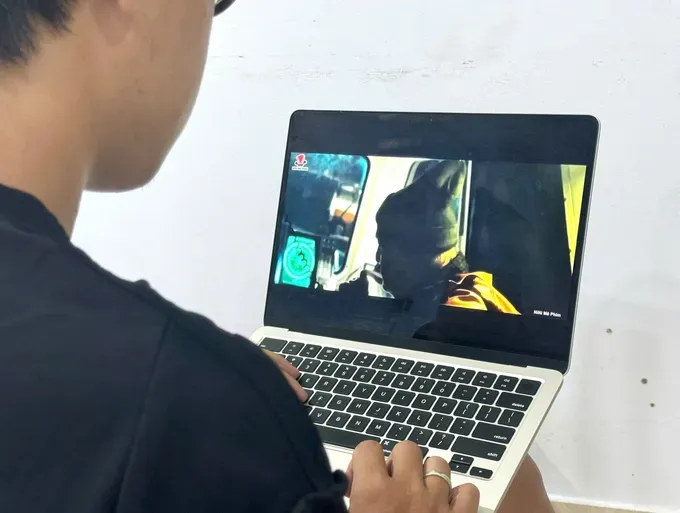
Many people who had regularly watched, listened to, or read pirated content have begun asking: “Where can we watch now?” Some have started paying for and subscribing to services such as Netflix, FPT Play, VieON, or Galaxy Play. However, most users are still in an “exploratory phase.”
Mr. Ngo Huu Minh, 34, Gia Dinh Ward, Ho Chi Minh City, said that for nearly a decade, he rarely missed a single Korean drama on a website specializing in movie streaming. Now that the site is no longer accessible, he still does not know where to watch. Some people have recommended paid platforms, but one service has this movie while another has a different one, so he still has not decided which platform to subscribe to.
Building habits of using licensed digital entertainment content
While searching for licensed platforms that suit their needs, audiences are gradually becoming exposed to more diverse ways of accessing digital cultural products. Accordingly, some websites now allow viewers to watch copyrighted films free of direct charge by generating revenue from advertising. Others offer several episodes free of charge as a trial, with viewers paying to continue watching subsequent episodes if they find the content appealing.
In the field of books and literature, Vietnamese readers for many years had grown accustomed to reading free translations on unofficial online forums. Recently, when many of these groups suspended operations and shut down their platforms, a considerable number of readers felt disappointed. However, a new model quickly emerged as many translators proactively began purchasing copyrights for books and novels from overseas, translating them into Vietnamese, and then selling them to readers chapter by chapter through domestic digital platforms.
Ms. Tran Thi Mai Phuong, 28, residing in Ban Co Ward, Ho Chi Minh City, a reader of many Chinese romance novels distributed under this model, stated that with many free translations, translators often worked out of passion, so the quality was inconsistent. Moreover, if they became busy or lost interest, the translations could stop midway through the story. Now that they can earn an income, both the quality and consistency of the translations are better guaranteed.
Addressing copyright infringement is an inevitable step in the development of the cultural industry. For audiences and readers, the habit of using legitimate products will gradually take shape over time. For content producers and official distributors, this also presents an opportunity to improve service quality, retain audiences, and encourage the public to willingly pay for valuable products, thereby contributing to the development of a healthy and sustainable digital content market.
For many people, paying for digital entertainment services remains an unfamiliar concept, while most paid licensed platforms still do not offer sufficiently diverse content to persuade potential customers to “hit the payment button.”