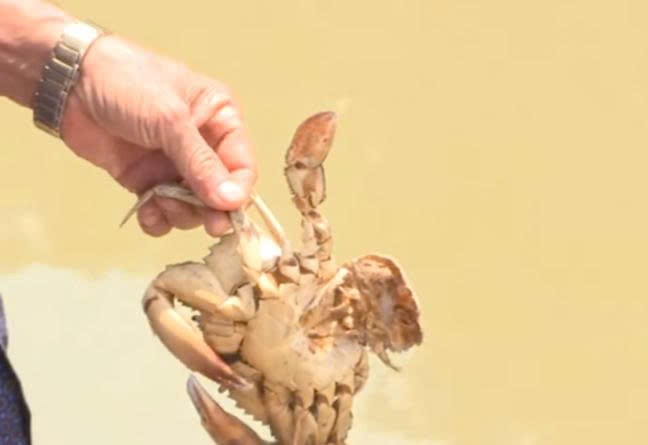
Since the beginning of 2026, aquatic diseases have affected more than 1,300 hectares across the province, including shrimp, crab, and blood cockle farms, with losses exceeding 70 percent. The primary cause has been intense and sustained heatwaves.
Extended hot weather has led to significant water evaporation, reducing water levels in aquaculture ponds, leaving them shallow, concentrated, and in some areas completely dried out. Rising pond temperatures and salinity have further undermined the resilience of aquatic species, increasing the likelihood of disease outbreaks as pathogens thrive under such conditions.
In response, the provincial Department of Agriculture and Environment has reported to the Ca Mau People’s Committee, proposing that the central government provide 50 tons of chlorine from the national reserve to support disinfection efforts in farming areas and strengthen disease prevention and control measures across the province.