Ho Chi Minh City has recently launched a pilot pork trading floor under a B2B model, a platform designed to connect businesses directly. Following an initial period of sporadic activity, transaction volumes are now steadily increasing. This model not only introduces a new commercial channel but also aims to restructure the city's essential food market toward modernity, transparency, and safety.
The trading floor was piloted amid heightened public concern regarding food safety. In the Ho Chi Minh City market alone, daily consumption ranges from 13,000 to 14,000 pigs, with the market valued at over VND25 trillion (US$950 million) annually. This remains the largest food source by proportion in the daily meals of the city's residents.
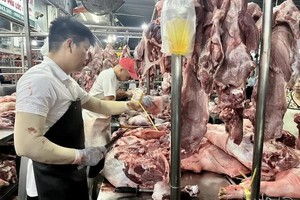
However, the majority of meat still circulates through a long intermediary chain from farms to traders, slaughterhouses, and wholesale markets before reaching retailers and consumers. The more layers in the supply chain, the greater the risk of compromised quality and the more difficult it becomes to assign accountability when incidents occur.
Consequently, the establishment of the trading floor is expected to help transparentize the market. Traded goods consist primarily of post-slaughter pork carcasses that meet standards, undergo veterinary inspection, and possess clear traceability information. Buyers and sellers conduct transactions through an electronic system where prices are publicly listed, replacing the direct negotiations that have long characterized wholesale markets. As information is standardized and continuously updated, the market gains a reference channel for price and quality, making trading activities more transparent.
Unlike the rapid transactions at traditional markets where prices are often formed based on personal relationships and experience, the trading floor is built on a foundation of data. Each batch of goods includes information on the farm, slaughterhouse, quarantine timing, and control standards. With all transactions recorded in the system, the market is gradually establishing a clear reference price for the supply chain, from livestock farmers to distributors.
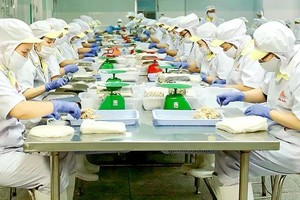
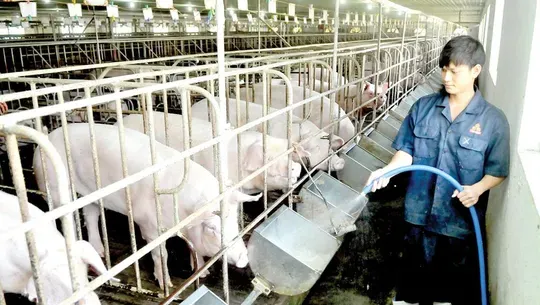
For farmers, the trading floor opens a more stable and transparent route to the market. To list products on the floor, farms must comply with safe husbandry processes, full quarantine measures, and guaranteed traceability. This exerts pressure on the livestock industry to shift toward professional production, reducing dependency on intermediaries. Slaughterhouses must also upgrade sanitary conditions and complete veterinary control records to participate in this new supply chain.
The pork trading floor is not a tool that can instantly reshape the market. However, it marks an important step toward greater transparency in the livestock industry. As wholesale markets and retail networks continue to play a key role in local communities, the launch of this exchange helps formalize the journey from farm to table.
Accordingly, the floor acts as a supply nucleus, directly connecting with supermarkets and traditional distribution systems, helping consumers easily identify and trust clean products. For this value chain to operate effectively, every link from input to output must be strictly controlled, with a firm commitment to eliminating counterfeit goods to certify food safety. In parallel, post-inspection efforts from slaughtering to circulation must continue to be tightened to completely eradicate the market for unsafe meat.