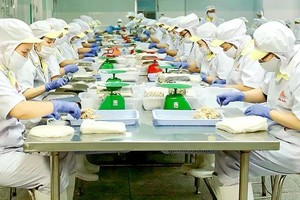
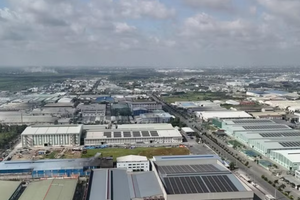
At a press conference held on the morning of April 9 to introduce the Food Ingredients (Fi) Vietnam 2026, the Ho Chi Minh City Food and Foodstuff Association reported that the food processing industry’s production index increased by more than 13.2 percent in the first months of 2026, even as costs for raw materials, logistics and energy surged.
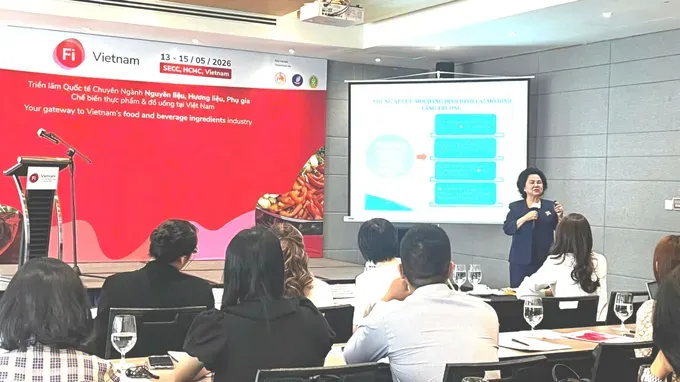
Delivering her speech at the event, Ms. Ly Kim Chi, Chairwoman of the Ho Chi Minh City Food and Foodstuff Association, said that the growth reflects the sector’s strong adaptability. Many businesses have proactively stockpiled raw materials for three to six months to stabilize prices in the short term, while accepting reduced profit margins, or even breaking even, to maintain market share and support consumers.
The sector has also benefited from a recovery in domestic consumption, with total retail sales of goods and services rising nearly 7.9 percent in the first two months of the year. Food and foodstuff products continue to serve as a key pillar of the market.
At the same time, companies are improving production capacity and shifting from scale-based growth to quality-driven development, better meeting international standards. Leveraging free trade agreements has enabled businesses to expand export markets, including tapping into high-potential segments such as the global Halal market.
However, experts caution that these measures are only temporary. If input costs, particularly fuel and logistics, remain high, price adjustments may become inevitable, adding further pressure to the market.
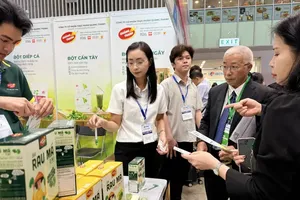
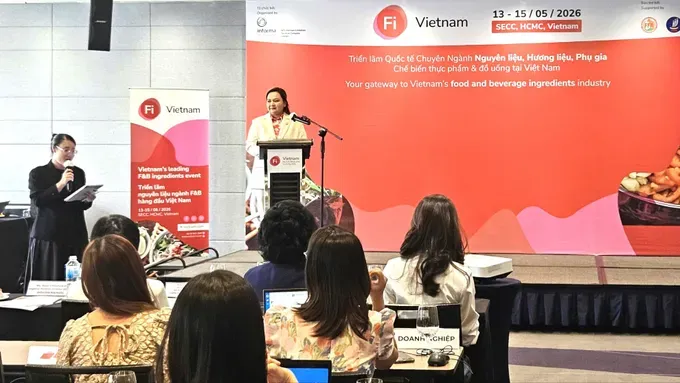
To address these challenges, trade promotion is seen as a key solution. According to Rose Chitanuwat of Informa Markets, Fi Vietnam 2026 will take place from May 13 to May 15 at the Saigon Exhibition and Convention Center, bringing together more than 300 companies and around 9,000 visitors from over 40 countries.

Beyond product showcases, the event will feature conferences and seminars on consumer trends, ingredient innovation, and quality standards, helping businesses strengthen connections, enhance competitiveness, and integrate more deeply into global supply chains.