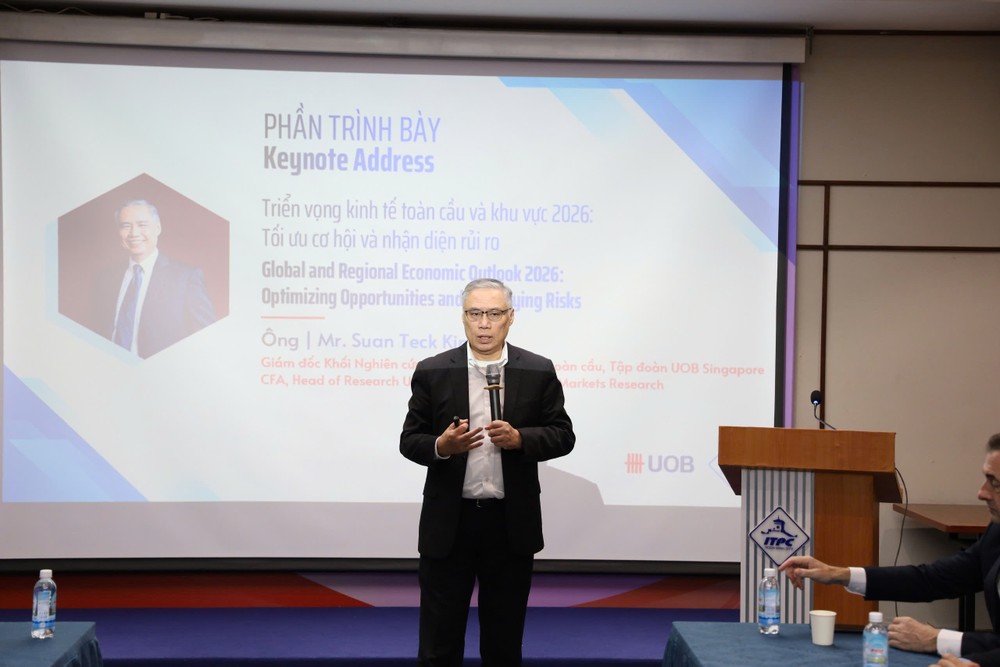
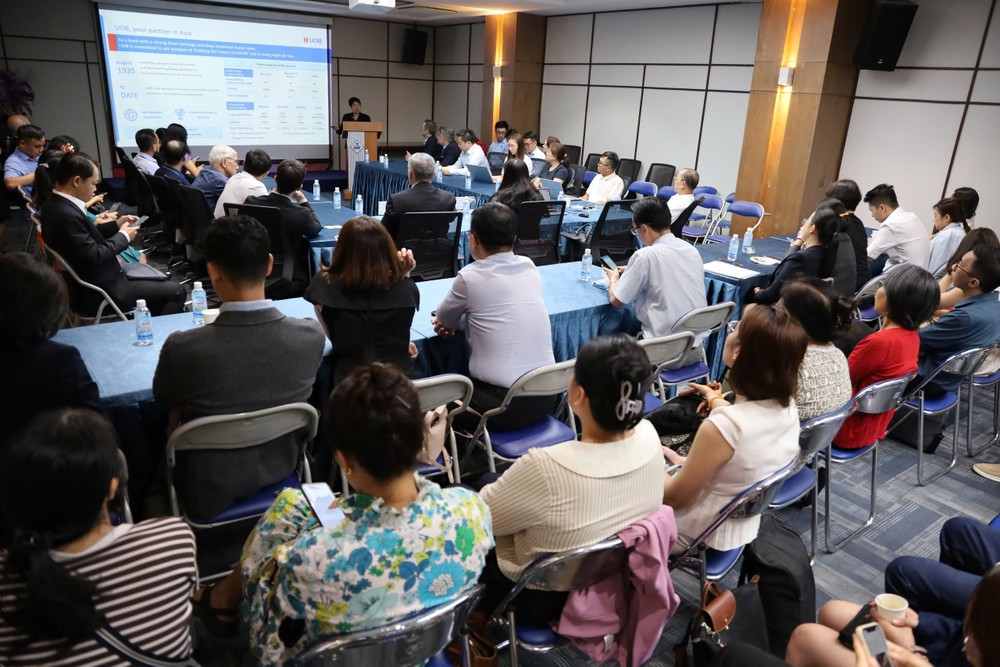
The Ho Chi Minh City Investment and Trade Promotion Center (ITPC), in collaboration with UOB Vietnam, hosted a business roundtable titled “Global and Regional Economic Outlook 2026: Optimizing Opportunities and Identifying Risks,” drawing strong participation from domestic and international enterprises on April 9 in HCMC.
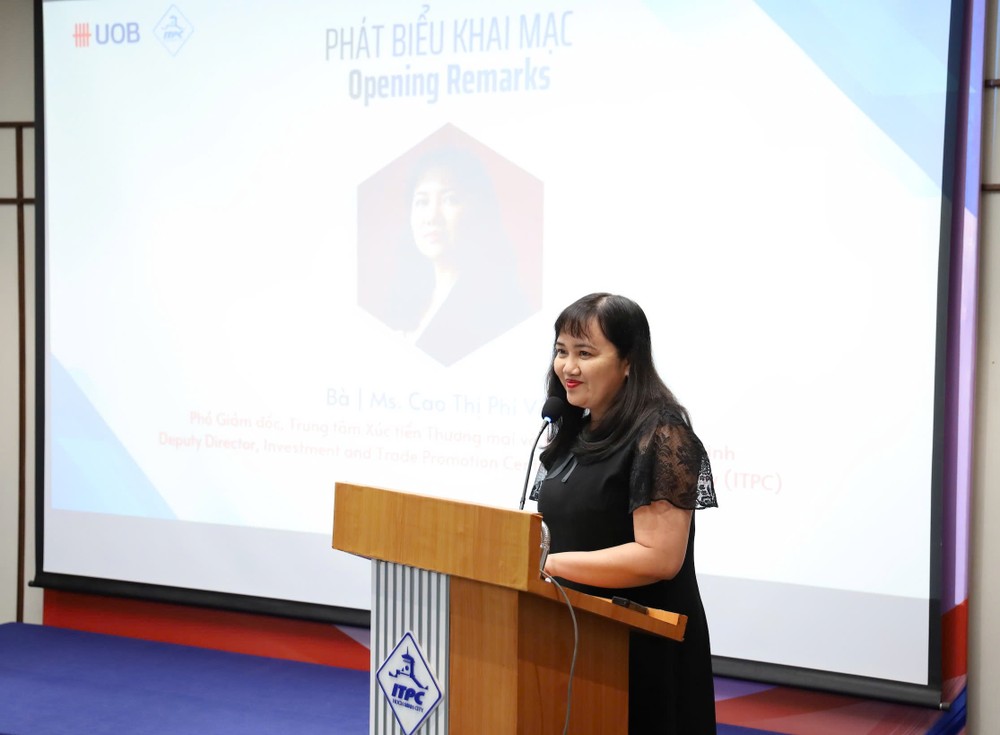
Opening the event, Ms. Cao Thi Phi Van, Deputy Director of ITPC, underscored that amid persistent global volatility, the Asia-Pacific region—particularly Southeast Asia—continues to serve as a key growth engine. With strategic geography, a dynamic workforce, and strong adaptability, the region is increasingly attractive to investment flows and is becoming a more integral link in global supply chains.
Vietnam’s economy has maintained solid momentum into early 2026. In the first quarter, GDP expanded by 7.83 percent, reflecting resilient domestic fundamentals and robust external demand. Mr. Suan Teck Kin, Head of Global Economics and Markets Research at UOB, noted that Vietnam is benefiting significantly from a new upcycle in the electronics sector and ongoing supply chain realignment—factors that are reinforcing its regional competitiveness and sustaining growth.
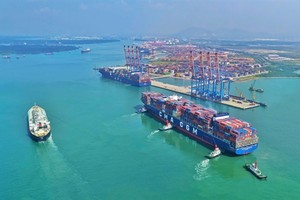
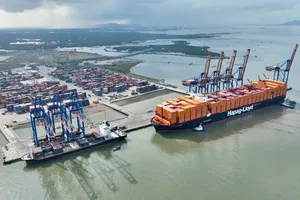
External trade remains a critical pillar, with exports continuing to post double-digit growth. The United States remains Vietnam’s largest export market, accounting for roughly 32 percent of total turnover, while China continues to be the primary source of imports. This structure highlights Vietnam’s deepening integration into global value chains.
Domestic demand has also held up well. Retail sales have expanded steadily, supported by a strong rebound in international tourism. Meanwhile, the financial system remains highly liquid. Credit growth reached around 19 percent in 2025 and is expected to grow at approximately 15 percent in 2026, providing ample room to support business expansion and investment.
However, participants cautioned that inflationary pressures are mounting, driven largely by rising global energy prices. In March, transportation costs surged by 8.9 percent year-on-year, reflecting the pass-through effects of higher input costs. UOB representatives warned that Vietnam’s near-term growth outlook in 2026 could face headwinds from an “energy shock.” Nonetheless, the medium-term outlook remains positive, underpinned by macroeconomic stability and sustained foreign investment inflows.
Against the backdrop of a rapidly restructuring global supply chain, businesses were urged to strengthen risk management, accelerate digital transformation, and prioritize sustainable development. These factors are expected to be critical in helping Vietnam capitalize on emerging opportunities, attract high-quality investment, and maintain growth momentum.
Foreign direct investment (FDI) has emerged as a standout bright spot since the start of the year. In the first quarter of 2026, total registered FDI reached approximately US$15.2 billion, up 42.9 percent year-on-year, while disbursed capital rose 9.1 percent to US$5.41 billion—the highest first-quarter figure in the past five years. The processing and manufacturing sector continued to lead, accounting for more than 70 percent of total inflows, underscoring Vietnam’s strong appeal amid shifting global supply chains.
Experts noted that the ongoing reconfiguration of global supply networks is opening a significant window for Vietnam to attract higher-quality capital, further cementing its role as a key manufacturing and investment hub in the region.